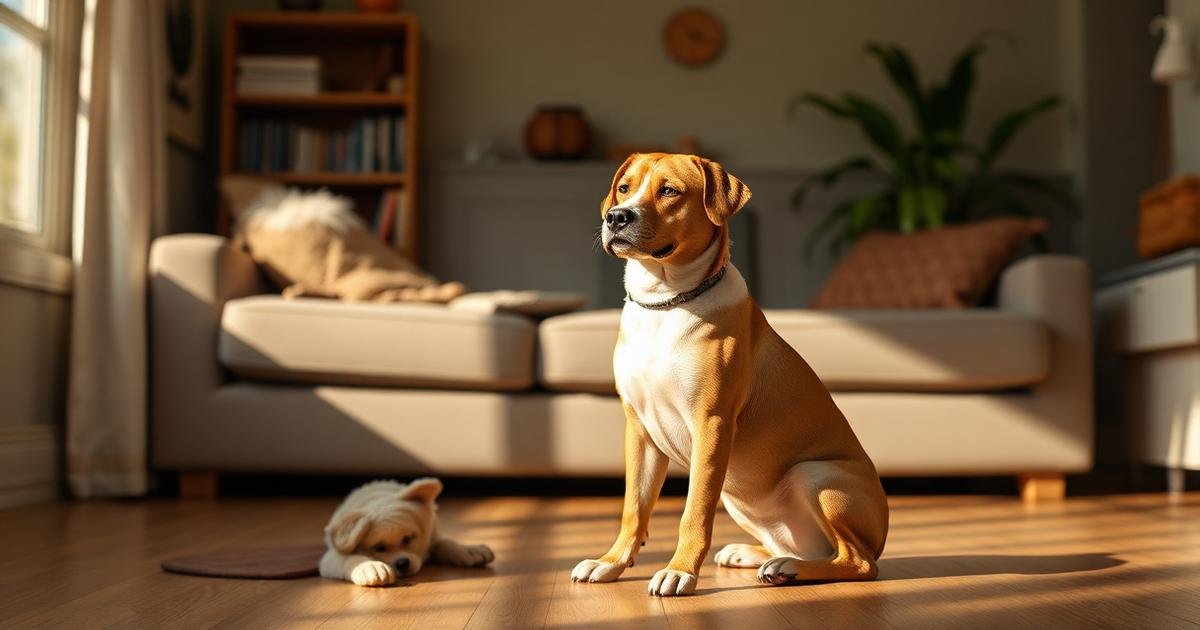
teach-dog-stay-command/">teach-dog-to-stay/">Teaching your dog to sit is the foundation of all obedience training, and it can be accomplished in as little as 5–10 minutes with the right technique. The method is simple: lure your dog into a sitting position using a treat, say the cue "sit" the moment their bottom touches the ground, and reward immediately. This step-by step guide explains how to teach dog to sit using positive reinforcement, troubleshooting tips for common challenges, and expert advice to make sure lasting results.
How to teach dog to sit: The fastest way to teach a dog to sit is the lure-and-reward method. Hold a high-value treat at your dog's nose, then slowly lift it up and back over their head. As their nose follows the treat, their rear will naturally lower to the ground. The instant their bottom touches the floor, say "sit," giv
Quick Answer: What is the fastest way to teach a dog to sit?
The fastest way to teach a dog to sit is the lure-and reward method. Hold a high value treat at your dog's nose, then slowly lift it up and back over their head. As their nose follows the treat, their rear will naturally lower to the ground. The instant their bottom touches the floor, say "sit," give the treat, and offer praise. Repeat this 5–10 times in one session, and most dogs grasp the cue reliably within 2–3 short training sessions of 3–5 minutes each.
For a complete guide on this topic, see the Ultimate Guide To Dog Training.

Why is teaching "sit" the first command every dog should learn?
The sit command is the cornerstone of dog training because it teaches impulse control and establishes a clear communication channel between you and your dog. It's the easiest behavior to shape, making it ideal for building your dog's confidence and your own training skills.
Once your dog reliably sits on cue, you can use it as a starting point for more advanced commands like stay, down, and heel. Veterinarians and trainers from the American Kennel Club (AKC) consistently recommend sit as the first command because it's low stress and produces quick results, which keeps both dog and owner motivated.
Beyond obedience, the sit command has practical safety applications. A dog that sits on cue is less likely to dart out an open door, jump on visitors, or pull on the leash. This single behavior creates a foundation for good manners in nearly every daily situation.
Pro Tip: Always train in a low distraction environment first — a quiet room with no other pets or loud noises. This sets your dog up for success and reduces frustration for both of you.
How to teach dog to sit using the lure-and reward method
The lure-and reward method is the most effective and widely recommended technique by professional dog trainers. It uses a treat to guide your dog's body into the correct position naturally, without any physical force.
Step 1: Get your dog's attention
Start with your dog standing in front of you. Hold a small, high value treat (like a piece of chicken or cheese) between your thumb and forefinger, and let your dog sniff it. This ensures their focus is on you and the reward.
Step 2: Lure the sit
Slowly move the treat from your dog's nose straight up and back toward their tail. As your dog's head tilts up to follow the treat, their rear end will naturally lower to the ground. The moment their bottom touches the floor, say "sit" clearly and calmly.
Step 3: Reward immediately
Give the treat and offer enthusiastic praise ("Good sit!") within one second of the sit. Timing is critical — a delayed reward confuses the dog about which action earned the treat. Repeat this sequence 5–10 times in a row.
Step 4: Add the verbal cue
After 5–10 successful repetitions with the lure, say "sit" just before you move the treat. Over the next 5–10 reps, gradually delay the lure until your dog begins to sit on the verbal cue alone. This transition usually takes 2–3 training sessions.
Step 5: Remove the treat
Once your dog reliably sits on the verbal cue, start rewarding with treats intermittently — every 2nd or 3rd correct sit. This variable reinforcement schedule makes the behavior more durable. Continue to offer praise every time.
Pro Tip: Keep training sessions short — 3–5 minutes at a time, 2–3 times daily. Puppies and adult dogs alike learn best in brief, focused bursts. Longer sessions lead to boredom and reduced attention.
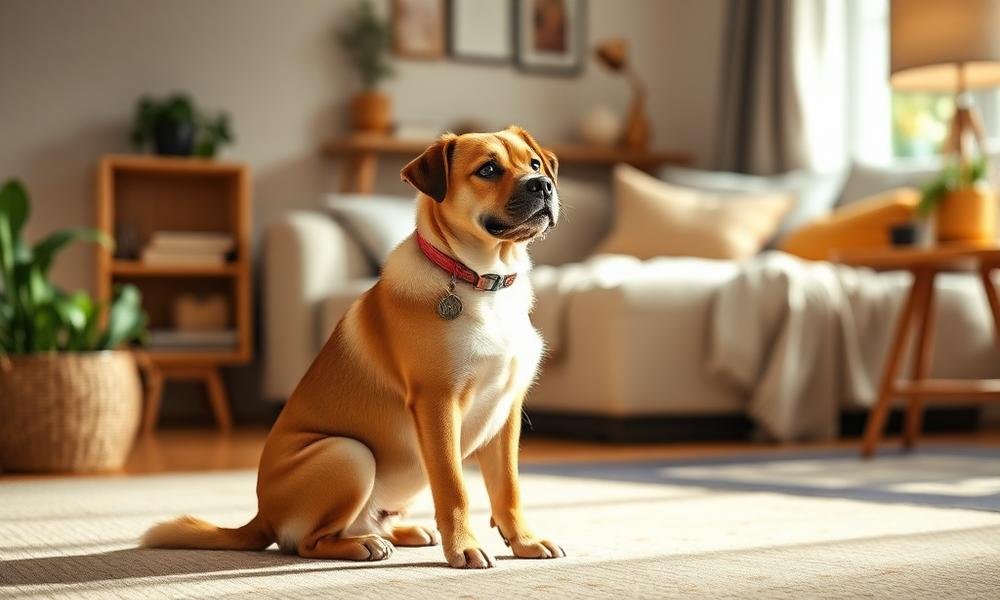
What to do if your dog won't sit: troubleshooting common problems
Not every dog picks up the sit command immediately. If your dog is struggling, the issue is usually one of three things: the lure technique, the environment, or your dog's physical comfort. Here's how to address each.
Problem: Dog backs up instead of sitting
If your dog steps backward when you lift the treat, you're likely moving the treat too high or too fast. Slow the motion down and keep the treat closer to your dog's nose. Alternatively, try luring from a corner or against a wall so your dog can't back up.
Problem: Dog lies down instead of sitting
This happens when you move the treat too far back over your dog's head. Keep the treat directly above their nose, not behind it. The motion should be a gentle arc, not a straight line toward the tail. If the dog still lies down, start with them in a sitting position and reward immediately.
Problem: Dog jumps for the treat
Excitement can cause jumping. Use a lower value treat, or hold the treat in a closed fist at your dog's nose level. Only open your hand to reward when all four paws are on the ground. If jumping persists, work on a "settle" or "calm" behavior first.
Problem: Dog is too old or has physical limitations
Senior dogs or breeds with hip dysplasia may find sitting painful. If your dog hesitates or whines, consult your veterinarian. You can modify the command by rewarding a "hover sit" (hips partially lowered) or using a supportive towel sling under the belly to assist.
Pro Tip: Never push your dog's rear down to force a sit. This can cause fear, pain, or resistance. The lure method is gentle and builds trust. If your dog refuses, take a break and try again later with higher value treats.
How to teach dog to sit using hand signals instead of verbal cues
Teaching a hand signal for sit is useful for dogs that are deaf, for noisy environments, or simply as a backup cue. The process is nearly identical to the verbal method, but you replace the word "sit" with a consistent hand gesture.
Start with your dog in a standing position. Hold a treat in your right hand and raise that hand from your dog's nose upward in a sweeping motion — palm facing up, moving from their nose to your shoulder. As your dog's head follows the treat upward, their rear will lower. The moment they sit, mark the behavior with a clicker or "yes," then reward.
Practice this hand signal for 5–10 repetitions before adding the verbal cue. Once your dog reliably responds to the hand gesture alone, you can pair it with the word "sit" for a dual cue system. Many trainers recommend teaching both so your dog can respond regardless of the situation.
Research from the University of Veterinary Medicine Vienna suggests that dogs often respond more reliably to hand signals than to verbal commands, particularly in distracting environments. This makes hand signals a valuable addition to your training toolkit.
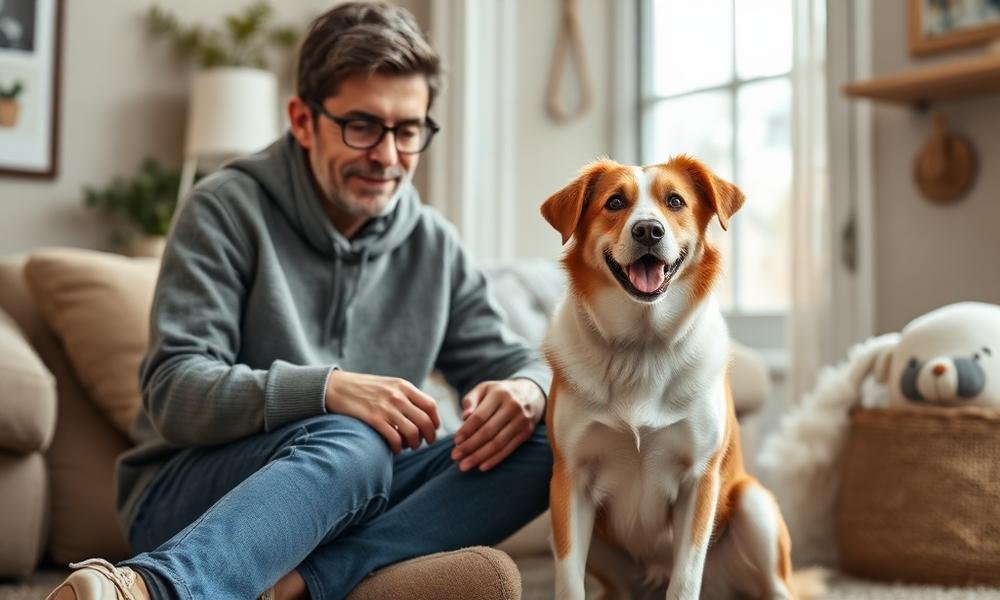
How to teach dog to sit without treats: fading the lure
While treats are essential for initial learning, you can transition to a treat free sit once the behavior is reliable. The key is to fade the lure gradually, not abruptly. Start by holding an empty hand in the same luring motion — your dog will follow the hand cue out of habit.
When your dog sits on the hand motion alone, add a clicker or verbal marker ("yes") to bridge the gap. Reward with a treat from your pocket or a nearby bowl after the sit. Over 1–2 weeks, reduce treat frequency to every 3rd or 4th sit, then to random rewards. Eventually, praise and petting become the primary reinforcer for most dogs.
The American Veterinary Society of Animal Behavior (AVSAB) emphasizes that positive reinforcement — including treats, toys, or praise — is the most humane and effective training method. Never use punishment or physical corrections, as these can damage your relationship and cause behavioral issues.
Pro Tip: Use a "jackpot" reward system occasionally — after a perfect sit, give 3–4 treats in rapid succession. This unpredictability keeps your dog engaged and eager to perform, even when treats become less frequent.
How long does it take to teach a dog to sit?
Most dogs learn to sit reliably within 3–7 days of consistent training, with 2–3 short sessions per day. Puppies under 6 months may take slightly longer due to shorter attention spans, while adult dogs often pick it up in 1–2 sessions. The key variable is consistency, not the dog's age or breed.
A 2021 study published in the journal
Breed can influence learning speed to some degree. High drive working breeds like Border Collies and German Shepherds often learn sit in 1–2 sessions, while independent breeds like Huskies or terriers may need 5–7 days. Regardless of breed, the lure method remains the most effective approach for all dogs.
How to proof the sit command for real world reliability
Proofing means teaching your dog to sit in any environment, regardless of distractions. A dog that sits perfectly in your living room may ignore the cue entirely at the dog park. Proofing requires gradual exposure to increasingly challenging scenarios.
Start by practicing the sit in different rooms of your house. Once your dog succeeds there, move to your backyard, then to a quiet sidewalk, and finally to a busier area like a park. At each new location, use higher value treats to maintain focus. Expect some regression — this is normal and means you need to go back a step.
Add distractions intentionally. Have a family member walk past during training, or practice near a window where your dog can see outside. The goal is for your dog to sit on the first cue, even when exciting things are happening. This level of reliability typically takes 2–4 weeks of consistent proofing sessions.
Professional trainers recommend the "3-3-3 rule" for proofing: practice in 3 different locations, with 3 different people giving the cue, over 3 different days. This variety ensures your dog generalizes the behavior rather than associating it with a specific person or place.
Common mistakes owners make when teaching sit
Even with good intentions, many owners inadvertently slow down their dog's learning. One frequent error is repeating the cue — saying "sit, sit, sit" teaches your dog to ignore the first command. Always say the cue once and wait 5 seconds before luring.
Another mistake is rewarding a partial sit. If you give a treat when your dog's rear is only halfway down, you reinforce an incomplete behavior. Wait for a full sit before marking and rewarding. Similarly, using treats that are too large or hard can interrupt the training flow — keep pieces pea sized and soft.
Training when you're frustrated or impatient also undermines progress. Dogs are highly attuned to human emotions, and a stressed owner creates a stressed dog. If you feel frustrated, end the session and try again later. Short, positive sessions always outperform long, tense ones.
Finally, many owners stop using rewards too early. The sit command should be reinforced periodically throughout your dog's life, even after it's mastered. Occasional treat rewards keep the behavior strong and your dog motivated to respond quickly.
Ready to take your training to the next level? Get the right tools for a well behaved dog.
Browse Dog Training Options →
Frequently Asked Questions
Can I teach an older dog to sit?
Yes, absolutely. Older dogs learn new commands just as well as puppies, though they may need shorter sessions due to physical limitations. Use the same lure-and reward method, and consult your vet if your dog shows signs of pain when sitting.
What treats work best for teaching sit?
Small, soft, high value treats work best — think pea sized pieces of cooked chicken, cheese, or commercial training treats. The treat should be easy to chew quickly so your dog stays focused on the next repetition rather than chewing.
How many times a day should I practice sit?
Practice 2–3 times per day, with each session lasting 3–5 minutes. This frequency reinforces the behavior without causing fatigue or boredom. Consistency across days matters more than session length.
My dog sits but only when I have a treat. What do I do?
This is normal. Fade the treat gradually by rewarding every 2nd or 3rd sit, then randomly. Use praise, petting, or a favorite toy as occasional rewards. Over 1–2 weeks, your dog will sit reliably even without visible treats.
Should I use a clicker to teach sit?
A clicker can speed up learning because it marks the exact moment of the correct behavior. If you use a clicker, click the instant your dog's bottom touches the floor, then give the treat. The clicker is optional but highly effective for precision training.
What if my dog is too excited to focus during training?
Train before meals when your dog is slightly hungry but not overly excited. Use a calm, quiet room with no distractions. If excitement persists, practice a "settle" or "wait" command for 10–15 seconds before starting the sit training.
Is it okay to say "sit" multiple times?
No. Say the cue only once. Repeating "sit, sit, sit" teaches your dog to ignore the first cue. If your dog doesn't respond, wait 5 seconds, then use a lure to guide them. Over time, your dog will learn to respond on the first cue.
Can I teach sit to a dog that has never been trained before?
Yes, the sit command is ideal for first time training. It's simple, low-pressure, and builds your dog's confidence. Start with the lure method in a distraction free area, and keep sessions positive and short. Most untrained dogs learn sit within 3–5 sessions.
For authoritative reference on canine health and care standards, the American Kennel Club (AKC) provides breed-specific guidance trusted by veterinary professionals. For health-related questions, PetMD offers veterinarian-reviewed information on symptoms and treatments.
Check out our complete overview of how to stop dog aggression for more information.
Learn more in our detailed guide on how to stop dog biting.