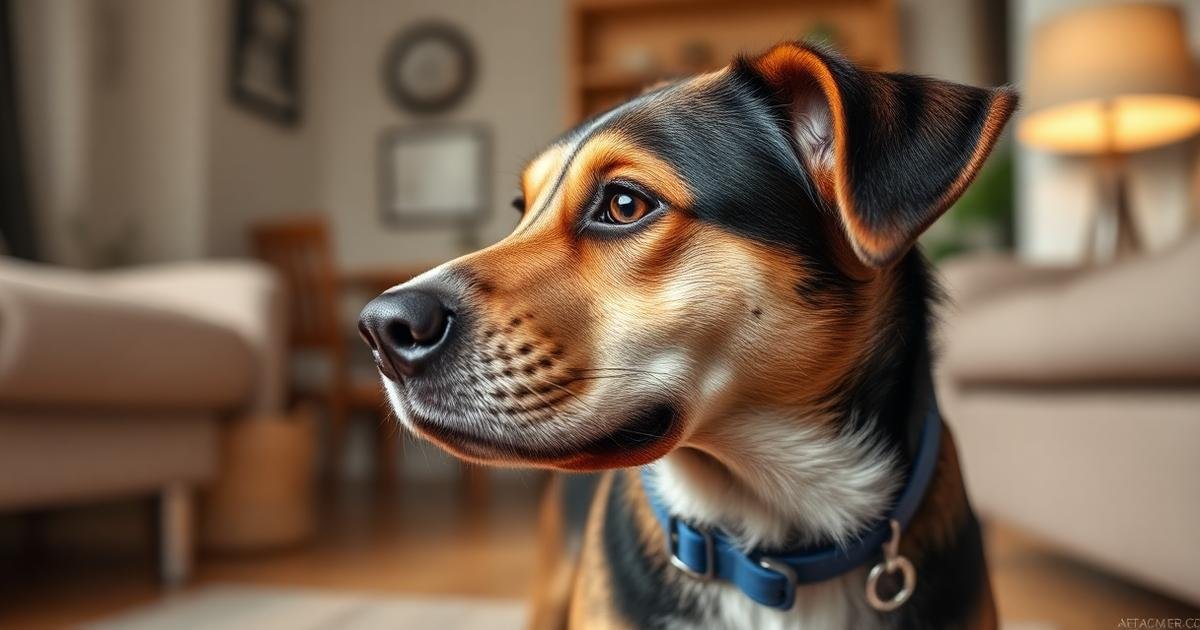
Dog separation anxiety training uses systematic desensitization and counter conditioning to help your dog feel safe when left alone. The core strategy involves teaching your dog that your departures predict good things, not panic, through gradual exposure to alone time. This process typically takes 4–12 weeks of consistent daily practice and may require professional guidance for severe cases.
Dog separation anxiety training: Training a dog with separation anxiety requires a gradual desensitization program: start by leaving your dog alone for just 1–2 minutes, then slowly increase duration over weeks. Pair every departure with a high-value reward like a stuffed Kong. Never punish anxious behavior—this worsens the conditi
Quick Answer: How Do You Train a Dog With Separation Anxiety?
Training a dog with separation anxiety requires a gradual desensitization program: start by leaving your dog alone for just 1–2 minutes, then slowly increase duration over weeks. Pair every departure with a high value reward like a stuffed Kong. Never punish anxious behavior—this worsens the condition. For severe cases, consult a veterinary behaviorist or certified trainer.
For a complete guide on this topic, see the Ultimate Guide To Dog Training.

What Exactly Is Dog Separation Anxiety?
Dog separation anxiety is a panic disorder, not disobedience or spite. When left alone, affected dogs experience extreme distress—similar to a human panic attack—because they cannot cope with being separated from their owner. The American Kennel Club (AKC) notes that this condition affects approximately 20–40% of dogs seen by veterinary behaviorists.
For many homes, the right dog separation anxiety training choice is the one that stays reliable under ordinary daily conditions.
Common symptoms include destructive chewing (especially near doors and windows), excessive barking or howling, pacing, drooling, and indoor urination or defecation despite being house-trained. These behaviors only occur when the dog is alone, not when you're present. Veterinarians emphasize that ruling out medical causes—like urinary tract infections or gastrointestinal issues—is the first step before diagnosing separation anxiety.
True separation anxiety differs from boredom or lack of exercise. A bored dog may chew shoes but generally settles after physical activity. A dog with separation anxiety panics regardless of how much exercise they've had. Understanding this distinction is crucial because different problems require different solutions.
Pro Tip: Record your dog with a camera while you're away. This helps distinguish true separation anxiety (panic from the moment you leave) from boredom (destruction after 30+ minutes of inactivity). Most smartphone cameras work through a free monitoring app.
How Is Separation Anxiety Different From Normal Alone Time Struggles?
Normal puppies or newly adopted dogs may whine briefly when left alone but settle within 10–15 minutes. Dogs with separation anxiety never settle—their stress escalates throughout your absence. The ASPCA notes that dogs with this condition often greet owners with frantic, over-the top excitement, as if you've been gone for months.
Another key difference: dogs with separation anxiety often begin showing signs before you leave. They may pant, tremble, or follow you anxiously when you pick up your keys or put on shoes. This anticipatory anxiety is a hallmark of the disorder and tells you the problem is deeply rooted in emotional distress, not simple training gaps.
What Causes Dog Separation Anxiety?
Separation anxiety typically develops from one of several triggers. A major life change is the most common cause: moving to a new home, a change in work schedule, the loss of another pet or family member, or being rehomed. Dogs are creatures of routine, and sudden disruptions can trigger panic when left alone.
Other causes include being overly attached to one person (often called "velcro dog" behavior), a traumatic experience while alone (like a loud storm or burglary), or being adopted from a shelter where the dog experienced abandonment. Research suggests that dogs adopted from shelters or rescue organizations have a higher incidence of separation anxiety, possibly due to past trauma.
Certain breeds may be predisposed—German Shepherds, Labrador Retrievers, and Border Collies are frequently reported—but any dog can develop this condition. Importantly, separation anxiety is not caused by "spoiling" your dog or letting them sleep on your bed. These are myths that can delay proper treatment.
Can My Dog's Age or History Predict Separation Anxiety?
Separation anxiety can develop at any age, but it's most common in dogs aged 2–4 years. Senior dogs may develop it later in life due to cognitive decline or sensory loss. A dog's history matters: dogs that have been rehomed multiple times or spent extended periods in shelters are at higher risk. However, even a puppy raised from 8 weeks in a stable home can develop it after a single traumatic event.

How Do You Start Dog Separation Anxiety Training?
Begin with a veterinary checkup to rule out medical issues. Once diagnosed, start with the "zen departure" method: for 1–2 weeks, practice departures that are so short your dog doesn't react. Put on your coat, pick up keys, walk to the door—then sit back down. Repeat this 10–15 times daily until your dog shows zero stress at these cues.
Next, progress to actual exits. Leave for 5–10 seconds, return before your dog reacts, and reward calm behavior. Gradually increase alone time by 5–10 second increments—not minutes—each session. The goal is to stay below your dog's "panic threshold" at all times. If your dog panics at 30 seconds, drop back to 15 seconds for several days.
Use high value rewards that take time to consume. Stuff a Kong with peanut butter (xylitol-free), cream cheese, or wet dog food, then freeze it. Give this only when you leave, so your dog associates your departure with something wonderful. The PetMD resource confirms that food based counter-conditioning is one of the most effective tools for mild to moderate cases.
Pro Tip: Never make a big deal of leaving or returning. Ignore your dog for 2–3 minutes before you leave and 2–3 minutes after you return. This reduces the emotional intensity of your arrivals and departures, which helps lower your dog's overall anxiety baseline.
How Long Should Each Training Session Be?
Keep training sessions to 5–10 minutes, 3–5 times daily. The key is frequency, not duration. Short, positive sessions prevent your dog from hitting panic mode. Over time, you'll extend the time between departures. A realistic timeline: within 2–3 weeks, most dogs can handle 10–15 minutes alone. Within 8–12 weeks, many reach 2–4 hours.
Ready to start training? The right tools—like puzzle toys, calming aids, and training guides—make all the difference.
Browse Dog Training Options →
What Are the Most Effective Training Techniques?
Three evidence based techniques form the foundation of successful dog separation anxiety training: desensitization, counter-conditioning, and independent time building. Desensitization means gradually exposing your dog to being alone in tiny, non stressful doses. Counter conditioning pairs your departure with something your dog loves—like a frozen Kong or a puzzle toy filled with treats.
Independent time building teaches your dog to enjoy being away from you even when you're home. Practice this by having your dog stay in a different room with a chew toy for 5–15 minutes while you're in another room. Close baby gates or doors so they can't follow you. Over weeks, increase this to 30–60 minutes. This helps your dog learn that being apart from you is safe and rewarding.
For severe cases, veterinarians may recommend medications like fluoxetine (Prozac) or clomipramine (Clomicalm) alongside training. These are not "happy pills"—they reduce baseline anxiety enough that training can work. The AVMA advises that medication alone without behavior modification rarely resolves separation anxiety long-term.
Should You Use Crate Training for Separation Anxiety?
Crate training can help some dogs but harm others. Dogs that see their crate as a safe den may calm down there. But dogs that panic when confined—often those with separation anxiety—may injure themselves trying to escape. Test this carefully: if your dog shows stress in the crate when you're home, do not use it when you're away. A dog proofed room or playpen may be safer.
Pro Tip: Try "crate games" during the day—toss treats into the crate with the door open, then close the door for 1–2 seconds while your dog eats. Gradually increase closed door time to 5–10 minutes while you're in the room. If your dog stays calm, you can try short departures with the crate.
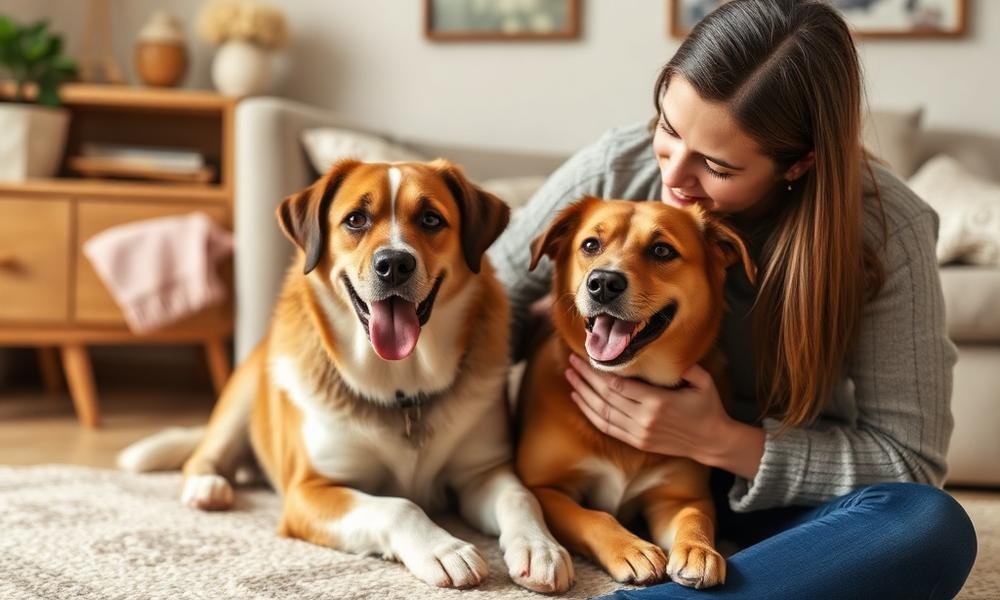
How Do You Handle Severe Separation Anxiety?
Severe cases—where dogs injure themselves, destroy doors, or panic within seconds—require professional help. Seek a veterinary behaviorist (a veterinarian with advanced behavior training) or a certified separation anxiety trainer (CSAT). These specialists can design a customized desensitization protocol and determine if medication is necessary.
In the meantime, manage your dog's safety. Use doggy daycare, a pet sitter, or a trusted friend to make sure your dog is never left alone until training progresses. Leaving a severely anxious dog alone is dangerous—they can break teeth on crates, cut paws on glass, or ingest furniture. The AVMA notes that severe separation anxiety is a welfare issue that requires immediate intervention.
Consider "doggie daycare" or a walker for the first 4–6 weeks of training. This buys you time to build the desensitization protocol without setbacks. Many owners find that 2–3 days per week of daycare gives them enough training progress to eventually leave their dog alone safely.
What About Calming Products and Supplements?
Products like Adaptil (dog appeasing pheromone diffusers), calming chews with L theanine or melatonin, and anxiety wraps (ThunderShirt) can help some dogs but are rarely sufficient alone. The AKC suggests these as adjuncts to training, not replacements. For mild anxiety, they may reduce symptoms enough that training progresses faster. For severe anxiety, they typically provide minimal benefit without a comprehensive behavior plan.
Frequently Asked Questions
How long does it take to train a dog with separation anxiety?
Most dogs show significant improvement within 4–12 weeks of consistent daily training. Mild cases may resolve in 2–4 weeks, while severe cases can take 4–6 months. Progress depends on your dog's baseline anxiety level and how consistently you practice short, positive departures.
Can you cure dog separation anxiety completely?
Many dogs improve dramatically but may always have some sensitivity to being left alone. Complete "cure" is possible, especially in mild cases. For severe cases, management strategies—like shorter alone times, enrichment, and occasional medication—may be needed long-term. Most owners report their dogs become comfortable with 4–6 hours alone after training.
Should I get another dog to help with separation anxiety?
No. Getting a second dog rarely solves separation anxiety and often worsens it. Your dog's panic is about your absence, not lack of canine company. A second dog may also develop separation anxiety by observing the first dog's distress. Address the root cause first before considering a second pet.
Is it okay to use a bark collar for separation anxiety?
No. Bark collars—whether shock, spray, or vibration—punish your dog for expressing panic. This increases fear and can worsen the condition. The ASPCA strongly advises against using aversive tools for anxiety based behaviors. Focus on positive reinforcement and desensitization instead.
Can I leave my dog with separation anxiety alone at all during training?
During the first 2–4 weeks, avoid leaving your dog alone long enough to trigger panic. Use daycare, pet sitters, or family help. Once your dog can handle 30–60 minutes calmly, you can gradually extend alone time. Never practice "tough love" by leaving a panicking dog—it reinforces the fear.
What should I do if my dog destroys things when I'm gone?
Dog proof a safe space before you leave. Remove items your dog could destroy or ingest, close doors to other rooms, and provide safe chew toys. Use baby gates or an exercise pen if your dog cannot jump or climb them. Never punish destruction after the fact—dogs don't connect punishment to past behavior.
Does exercise help with separation anxiety?
Yes, but it's not a cure. Vigorous exercise—30–60 minutes of running, fetch, or swimming—15–30 minutes before you leave can lower your dog's stress baseline. However, a tired dog can still panic. Use exercise as part of a comprehensive plan that includes desensitization and counter-conditioning.
When should I see a professional for separation anxiety?
Seek professional help if your dog injures themselves, destroys property within minutes, cannot be left alone for even 30 seconds, or if you've tried consistent training for 4 weeks without progress. Also consult a professional if your dog's anxiety causes them to refuse food or water when alone.
For authoritative reference on canine health and care standards, the American Kennel Club (AKC) provides breed-specific guidance trusted by veterinary professionals. For health-related questions, PetMD offers veterinarian-reviewed information on symptoms and treatments.