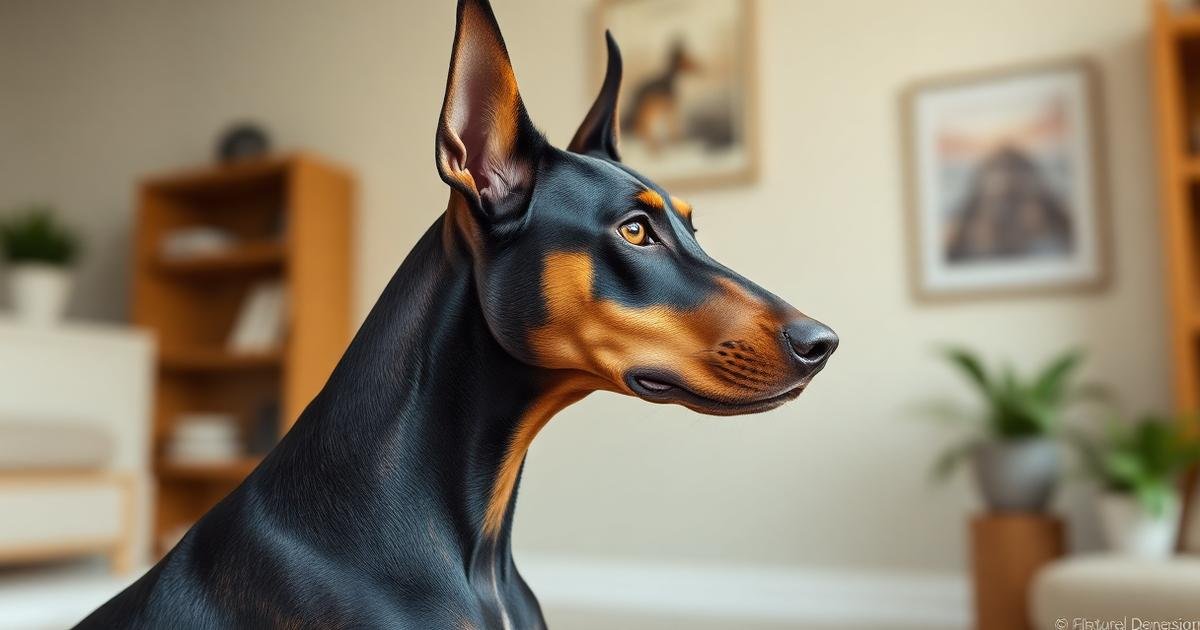
If you're considering adding a Doberman Pinscher to your family, you need a clear, honest doberman breed profile that covers temperament, exercise needs, health, and training. The Doberman is a highly intelligent, loyal, and athletic working breed originally developed for personal protection. They thrive with experienced owners who can provide firm, consistent training and at least 60–90 minutes of vigorous daily exercise.
Doberman breed profile: The Doberman Pinscher is a medium-large working breed (60–100 pounds) known for its intelligence, loyalty, and protective nature. They require at least 60–90 minutes of daily exercise, early socialization, and consistent, positive training. Bred as personal protection dogs, they are alert, fearless,
Quick Answer: What is the Doberman breed profile in a nutshell?
The Doberman Pinscher is a medium large working breed (60–100 pounds) known for its intelligence, loyalty, and protective nature. They require at least 60–90 minutes of daily exercise, early socialization, and consistent, positive training. Bred as personal protection dogs, they are alert, fearless, and form deep bonds with their families. Their average lifespan is 10–12 years.
For a complete guide on this topic, see the Complete Dog Breed Guide.
What is the history and original purpose of the Doberman?
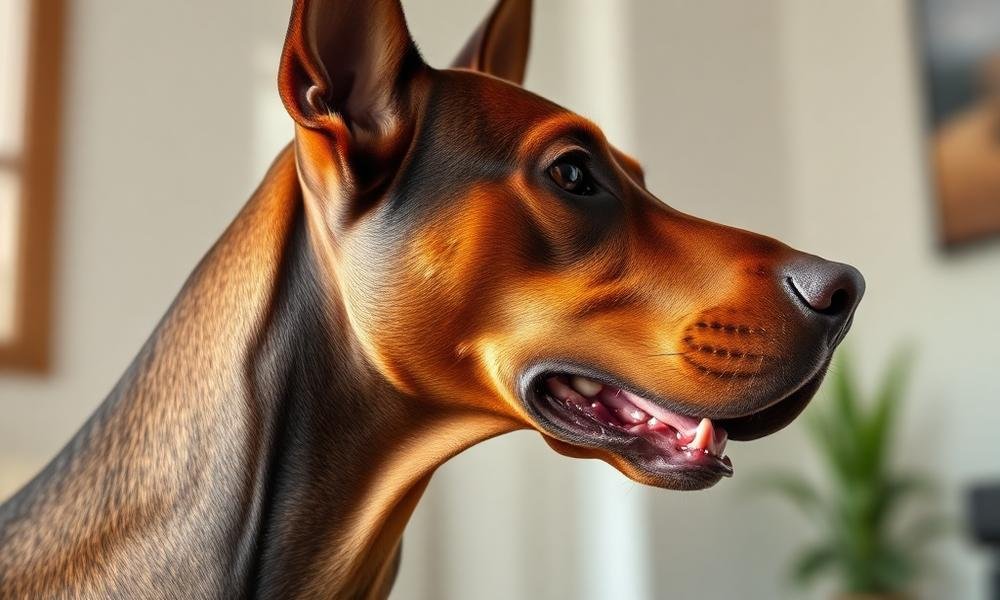
The Doberman Pinscher was developed in Germany around 1890 by a tax collector named Karl Friedrich Louis Dobermann. He needed a loyal, protective, and intimidating dog to accompany him on his rounds through dangerous areas. He crossed several breeds — including the Rottweiler, German Pinscher, and Black and Tan Terrier — to create the ideal guardian.
By the early 1900s, the breed was refined into the sleek, powerful dog we know today. The American Kennel Club (AKC) officially recognized the Doberman in 1908. Their original role as personal protection dogs is still deeply embedded in their temperament, which means this doberman breed profile emphasizes the need for responsible ownership.
During World War II, Dobermans served as messenger dogs, sentries, and scouts for the U.S. Marine Corps. Their bravery and intelligence earned them the nickname "Devil Dogs." This history explains why they are so alert, trainable, and loyal — traits that make them excellent family guardians but also a challenge for novice owners.
Pro Tip: Understanding the Doberman's working heritage is key. This is not a breed that can be left alone in a yard all day. They need a job — whether that's advanced obedience, agility, or simply being your constant companion during daily activities.
What does a Doberman look like? Key physical traits in this doberman breed profile
The Doberman Pinscher has a distinctive, elegant appearance. They are a medium large breed with a square, muscular build. Males stand 26–28 inches tall at the shoulder and weigh 75–100 pounds. Females are slightly smaller, standing 24–26 inches and weighing 60–90 pounds.
Their coat is short, smooth, and dense, lying close to the body. The AKC recognizes four standard colors: black and rust, red and rust, blue and rust, and fawn (Isabella) and rust. The rust markings appear above the eyes, on the muzzle, chest, legs, and under the tail. The blue and fawn colors are rarer and can be associated with color dilution alopecia, a skin condition.
Dobermans traditionally have cropped ears and docked tails in many countries, though these practices are increasingly banned in parts of Europe. In the United States, the breed standard still calls for cropped ears and a docked tail. Natural ears are floppy and medium-sized, while a natural tail is long and thin.
Their movement is smooth, powerful, and effortless — a hallmark of the breed. A well built Doberman covers ground with a free, ground covering trot. This athletic build means they need appropriate nutrition and joint care, especially as they age.
What is the Doberman's temperament like? Is this breed good with families?
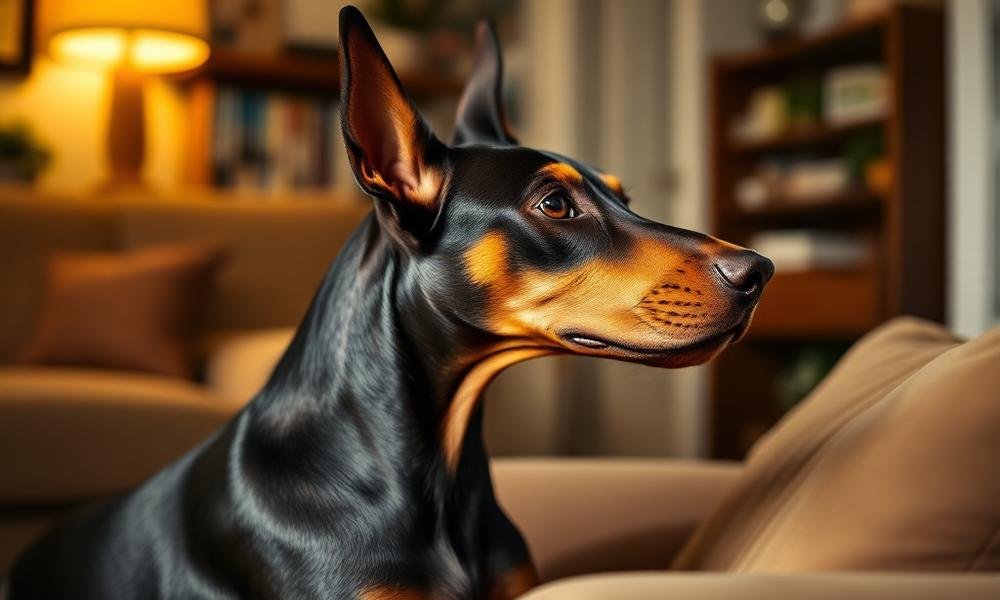
The Doberman temperament is one of the most misunderstood aspects of this doberman breed profile. They are not naturally aggressive. Instead, they are highly alert, intelligent, and protective. With proper socialization from puppyhood, they are affectionate, gentle, and playful with their family — including children.
Dobermans are known for being "velcro dogs." They want to be with their people constantly. This makes them excellent watchdogs but also prone to separation anxiety if left alone for long hours. They bond deeply and are often described as sensitive and eager to please.
With strangers, Dobermans are typically reserved and watchful. They are not naturally hostile but will assess a new person carefully. Early and ongoing socialization — exposing them to different people, places, sounds, and other dogs — is non-negotiable. The AKC emphasizes that socialization should begin in puppyhood and continue throughout life.
For families, Dobermans can be wonderful companions. They are patient with children they know and often gentle with smaller pets they are raised with. However, their size and energy mean they can accidentally knock over toddlers. Supervise all interactions between young children and any large breed dog.
Pro Tip: A well socialized Doberman is a confident, stable dog. Enroll in a puppy kindergarten class by 10–12 weeks of age. Continue with obedience classes through adolescence (6–18 months) to reinforce good manners and prevent unwanted guarding behaviors.
How much exercise and training does a Doberman need?
This is the most critical section of any doberman breed profile. Dobermans are high energy working dogs. They require at least 60–90 minutes of vigorous exercise daily. This should include structured activities like running, hiking, fetch, or swimming, plus mental stimulation. A tired Doberman is a well behaved Doberman.
Without enough exercise, Dobermans become destructive, anxious, and potentially aggressive. They may chew furniture, dig, or bark excessively. They are not a breed suited for apartment living unless you can provide multiple daily walks and access to a secure, fenced area for running.
Training must be consistent, firm, and positive. Dobermans are highly intelligent and can become stubborn if they sense inconsistency. They excel in obedience, agility, tracking, and protection sports. Use positive reinforcement methods — treats, praise, and play. Harsh corrections can damage their sensitive temperament and cause fear based aggression.
Early socialization is equally important. Expose your Doberman puppy to different environments, surfaces, sounds, and people. The critical socialization window closes around 16 weeks, so start early. A well socialized Doberman is a confident, reliable adult dog.
Pro Tip: Dobermans thrive on having a "job." Consider activities like nose work, dock diving, or advanced obedience. Even 15 minutes of daily training (learning new tricks or practicing commands) provides essential mental stimulation that prevents boredom.
Set your Doberman up for success with the right gear — from durable toys to high quality food and training tools.
Browse Dog Products →

What are the common health issues in Dobermans?
Dobermans are generally healthy, but they are prone to several breed specific health conditions. The two most serious are dilated cardiomyopathy (DCM) and von Willebrand's disease (vWD). DCM is a heart condition that causes the heart to enlarge and weaken, leading to heart failure. It is the leading cause of death in Dobermans over age 5. Responsible breeders screen for DCM through echocardiograms and Holter monitoring.
Von Willebrand's disease is a bleeding disorder caused by a deficiency of a clotting protein. It is similar to hemophilia in humans. Affected dogs may experience nosebleeds, excessive bleeding from wounds, or bleeding after surgery. Genetic testing is available to identify carriers. The PetMD condition guide notes that vWD is common in Dobermans, with up to research suggests 70% of the breed carrying the gene.
Other health concerns include hip dysplasia (a malformation of the hip joint), cervical vertebral instability (Wobbler syndrome — a spinal condition), and hypothyroidism (an underactive thyroid). Bloat (gastric dilatation volvulus or GDV) is also a risk, especially in deep chested breeds like the Doberman. Feed two smaller meals daily rather than one large meal to reduce the risk.
Regular veterinary checkups, a high quality diet, and maintaining a healthy weight are essential. The AVMA recommends an annual wellness exam for all dogs, and at least twice yearly exams for senior Dobermans (age 7+).
How do I choose a Doberman breeder? What to look for in a healthy puppy
Choosing a responsible breeder is the most important decision you'll make. A good breeder prioritizes health, temperament, and structure over profit. They will perform all recommended health screenings — including echocardiograms, Holter monitoring, vWD genetic testing, and hip and elbow X-rays — on both parent dogs.
Ask to see the results of these health tests. A reputable breeder will be proud to share them. They should also provide a health guarantee and be available for questions throughout the dog's life. Visit the breeder's facility in person if possible. The environment should be clean, and the dogs should appear healthy, well-socialized, and happy.
Avoid breeders who always have puppies available, sell to pet stores, or offer multiple breeds. These are red flags for puppy mills. The AKC breeder referral program is a good starting point for finding ethical breeders. Expect to be on a waiting list — good breeders don't mass produce litters.
When you meet a litter, observe the puppies. Look for a puppy that is curious, confident, and willing to approach you. Avoid puppies that are overly shy or extremely dominant. A well bred Doberman puppy should be alert and engaged, not fearful. The breeder should also ask you questions about your lifestyle and experience to ensure a good match.
What should I feed my Doberman? Nutritional needs in this doberman breed profile
Dobermans do well on a high-quality, large breed dog food that meets AAFCO nutritional standards. Protein should be the first ingredient — look for chicken, beef, fish, or lamb. Fat content should be moderate (around 15–research suggests 20%) to support their energy needs without leading to obesity.
Because Dobermans are prone to bloat, feeding two or three smaller meals per day is safer than one large meal. Use a slow feeder bowl to prevent gulping air. Avoid exercise for at least one hour before and two hours after meals. Always provide fresh, clean water.
Some Dobermans have sensitive stomachs or food allergies. Common allergens include chicken, corn, wheat, and soy. If your dog shows signs of itching, ear infections, or digestive upset, consult your veterinarian about a limited ingredient or hypoallergenic diet. Supplements like fish oil (for skin and coat health) and glucosamine (for joint support) can be beneficial, especially as your dog ages.
Puppies should eat a large breed puppy formula until they are about 12–18 months old. These formulas have controlled calcium and phosphorus levels to support proper bone growth. Overfeeding a puppy can lead to rapid growth and joint problems, so follow the feeding guide on the bag and adjust based on your puppy's body condition.
Frequently Asked Questions
Are Dobermans good with children?
Yes, when properly socialized and raised with children, Dobermans are typically gentle and protective. They are patient and playful but can accidentally knock over small children due to their size. Always supervise interactions and teach children how to respect the dog's space.
Do Dobermans bark a lot?
Dobermans are not excessive barkers, but they are alert watchdogs. They will bark to alert you of strangers or unusual sounds. With proper training and enough exercise, nuisance barking is minimal. Bored or anxious Dobermans may bark more frequently.
How long do Dobermans live?
The average lifespan of a Doberman Pinscher is 10–12 years. Some live longer with excellent care, while others may be affected by health conditions like dilated cardiomyopathy. Regular veterinary care and a healthy lifestyle can help maximize their lifespan.
Are Dobermans aggressive?
No, Dobermans are not inherently aggressive. They are protective and alert, which can be mistaken for aggression. With proper socialization and training, they are stable, confident, and friendly. Poor breeding, lack of socialization, or harsh training can lead to fear based aggression.
Do Dobermans need a lot of grooming?
No, Dobermans have a short, smooth coat that requires minimal grooming. Weekly brushing with a rubber curry brush or hound glove removes loose hair and keeps the coat shiny. They shed moderately year-round. Bathe only when necessary to avoid stripping natural oils.
Can Dobermans live in apartments?
It is possible but challenging. Dobermans are large, high energy dogs that need space to move. Apartment living requires a committed owner who provides at least 60–90 minutes of daily exercise and mental stimulation. Without this, they may become destructive or anxious.
For broader reference and guidance, akc.org provides useful context on pet health and care decisions.
For broader reference and guidance, petmd.com provides useful context on pet health and care decisions.
For more on this topic, see our guide to bulldog breed profile.
For more on this topic, see our guide to labrador retriever breed profile.
Check out our complete overview of border collie breed profile for more information.
Learn more in our detailed guide on shih tzu breed profile.