
Ringworm in cats is a common fungal infection, not a worm, that causes circular patches of hair loss and skin irritation. Effective the best option typically involves a combination of topical antifungal therapy, oral medication, and rigorous environmental decontamination lasting 4–6 weeks. The key to success is treating every pet in the home and cleaning your living spaces daily.
Cat ringworm treatment: The fastest cat ringworm treatment combines twice-daily topical lime sulfur dips or miconazole cream with oral itraconazole, prescribed by your vet. You must also vacuum and disinfect all surfaces daily for 6 weeks to break the spore cycle. Without environmental cleaning, even perfect medication adh
Quick Answer: What is the fastest cat ringworm treatment?
The fastest the right choice combines twice daily topical lime sulfur dips or miconazole cream with oral itraconazole, prescribed by your vet. You must also vacuum and disinfect all surfaces daily for 6 weeks to break the spore cycle. Without environmental cleaning, even perfect medication adherence can fail. This three pronged approach typically shows visible improvement within 2–3 weeks.
For a complete guide on this topic, see the Ultimate Guide To Cat Health.
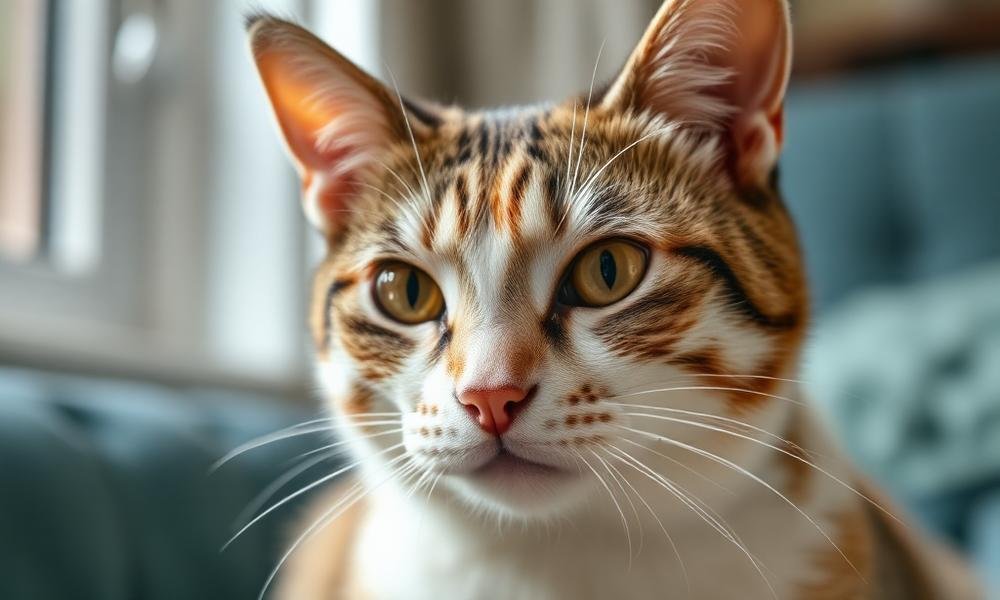
How Do I Know My Cat Has Ringworm?
Ringworm doesn't always look dramatic. You might notice small, circular bald patches with red, scaly edges on your cat's head, ears, or paws. Some cats carry the fungus without symptoms—these asymptomatic carriers can still infect other pets and humans.
The most reliable diagnostic method is a fungal culture, which takes 7–14 days to grow. Your vet may also use a Wood's lamp (ultraviolet light) to spot infected hairs, but this only detects about research suggests 50% of ringworm strains. A skin scraping examined under a microscope can confirm the diagnosis on the spot.
If you see lesions spreading or multiple spots appearing, don't wait. Early diagnosis shortens the cat ringworm treatment timeline significantly. The ASPCA recommends isolating any suspected cat immediately to prevent environmental contamination (ASPCA pet care resources).
Which Treatment Options Actually Work?
Topical Therapies for Localized Infections
For small, isolated spots (1–2 lesions), over-the counter antifungal creams containing miconazole or clotrimazole can work. Apply a thin layer twice daily and extend the application 1 inch beyond the visible lesion. Continue for at least 2 weeks after the lesion appears healed.
Lime sulfur dips are the gold standard for multiple lesions. Your vet will dilute the solution and apply it as a rinse every 5–7 days. The smell is strong (like rotten eggs), but the efficacy is proven. Wear gloves—this stuff stains everything.
Pro Tip: Shave the fur around active lesions before applying any topical treatment. This exposes the infected skin and reduces the fungal spore load on the hair shafts, shortening treatment by 1–2 weeks.
Oral Medications for Widespread or Persistent Cases
When your cat has more than 3 lesions or the infection keeps coming back, oral antifungals are necessary. Itraconazole is the most commonly prescribed—it's given once daily for 3–4 weeks, sometimes longer. Terbinafine is an alternative if your cat doesn't tolerate itraconazole.
These medications require bloodwork monitoring every 2–4 weeks to check liver enzymes. Side effects include vomiting, diarrhea, and appetite loss. If your cat stops eating, contact your vet immediately—this can indicate liver stress.
Veterinarians generally recommend combining oral medication with topical therapy for the best results. The PetMD condition guide on ringworm confirms that combination therapy achieves faster resolution than either approach alone (PetMD condition guides).
Get your cat the right antifungal products delivered fast
Browse Cat Health Options →

Why Is Environmental Cleaning So Important?
Ringworm spores can survive on surfaces for up to 18 months. If you treat your cat but skip the cleaning, the spores will reinfect your cat within days of stopping medication. This is the single most common reason cat ringworm treatment fails.
Vacuum every surface your cat touches—floors, furniture, curtains, bedding—at least once daily. Immediately dispose of the vacuum bag in a sealed plastic bag outside your home. Steam cleaning carpets at 140°F (60°C) kills spores effectively.
Bleach is your best disinfectant. Mix 1 part bleach with 10 parts water and apply to hard surfaces. Let it sit for 10 minutes before rinsing. For soft surfaces like cat beds and blankets, wash in hot water with bleach (check fabric labels first) and dry on high heat for at least 30 minutes.
Pro Tip: Designate one room as your cat's treatment zone. Keep your cat confined there during the first 2 weeks of treatment. This contains the spores and makes daily cleaning manageable—you'll only need to deep clean one room instead of your entire house.
How Do I Set Up a Daily Treatment Routine?
Consistency is everything when treating ringworm. A haphazard approach lets spores survive and reinfect your cat. Here's a daily schedule that works for most households during the first 4–6 weeks of active treatment.
| Time | Action | Why It Matters |
|---|---|---|
| Morning | Apply topical antifungal cream or dip to all lesions | Directly kills active fungus on the skin surface |
| Midday | Vacuum treatment room and wipe hard surfaces with bleach solution | Removes shed spores before they settle into carpets or upholstery |
| Evening | Give oral medication with a small meal | Reduces stomach upset and ensures full dose is absorbed |
| Before bed | Change cat's bedding and wash hands thoroughly | Prevents overnight recontamination and protects you |
Stick to this routine for the full 6 weeks, even if lesions look better. Skipping days allows spores to multiply. Mark a calendar or set phone alarms—forgetting one cleaning session can set you back a week.
If you have multiple cats, treat them all at the same time using separate supplies. Never share brushes, bowls, or bedding between treated and untreated cats. The AVMA recommends using disposable gloves and changing them between each pet (AVMA pet owner resources).

Can Ringworm Spread to Humans and Other Pets?
Yes, ringworm is zoonotic—it can transfer from cats to humans. Children, elderly individuals, and anyone with a compromised immune system are most at risk. You'll see red, itchy, ring shaped rashes on your skin, usually on arms, hands, or neck.
Wear disposable gloves when applying any topical the best option. Wash your hands thoroughly with soap and warm water after handling your cat. If you develop a rash, see your doctor—antifungal creams like terbinafine work well for humans too.
All other pets in your home should be tested and treated simultaneously, even if they show no symptoms. The AVMA recommends screening all household pets at the time of diagnosis (AVMA pet owner resources). Untreated asymptomatic pets act as reservoirs, prolonging the infection cycle for everyone.
How Long Until My Cat Is Fully Recovered?
Most cats show visible improvement within 2–3 weeks of starting proper the right choice. The hair regrowth phase takes longer—4–6 weeks for short haired cats, 8–12 weeks for long haired breeds. You'll know the infection is gone when two consecutive fungal cultures (taken 1 week apart) come back negative.
Don't stop treatment based on appearance alone. The lesions may look healed, but fungal spores can still be present on the hair shafts. Stopping early guarantees a relapse. Your vet will tell you when it's safe to discontinue medication.
Prolonged cases (lasting more than 8 weeks) may indicate an underlying health issue. Cats with FeLV, FIV, or chronic stress often struggle to clear ringworm. Your vet may recommend bloodwork to rule out these conditions if your cat isn't responding to standard therapy.
Pro Tip: Use a black light flashlight to check your cat's entire body weekly during treatment. Infected hairs glow green under UV light. This lets you spot new lesions early and adjust your treatment before they spread.
What Are the Most Common Treatment Mistakes to Avoid?
Even well meaning owners make errors that prolong ringworm. The most common mistake is stopping treatment too soon—about research suggests 40% of relapses happen because owners thought the infection was gone when it wasn't. Always finish the full course your vet prescribed.
Another frequent error is using only topical treatment for widespread infections. If your cat has lesions on multiple body areas (head, back, legs), oral medication is essential. Topical creams alone can't reach every infected hair follicle.
Neglecting to treat asymptomatic pets is another big problem. That healthy looking cat in your home might be shedding spores daily. Get every pet tested, and treat all positive cases simultaneously. The AKC behavior guides emphasize that ringworm spreads fastest in multi pet households (AKC expert advice).
| Mistake | Consequence | Fix |
|---|---|---|
| Stopping treatment at 2 weeks | Relapse within 7–10 days | Continue until 2 negative cultures confirm cure |
| Skipping environmental cleaning for 1 day | Spores survive and reinfect | Vacuum and disinfect daily without exception |
| Using human steroid creams | Worsens infection, suppresses immune response | Use only vet approved miconazole or clotrimazole products |
| Treating only one pet in a multi pet home | Asymptomatic carriers reinfect treated cat | Test and treat all pets at the same time |
Frequently Asked Questions
Can I use human antifungal cream on my cat?
Yes, but only products containing miconazole or clotrimazole. Never use creams with added steroids like hydrocortisone—these suppress your cat's immune response and can worsen the infection. Apply only to the lesion, and prevent your cat from licking it off.
Is apple cider vinegar effective for the right choice?
No. Apple cider vinegar has mild antifungal properties, but it's too weak to eliminate ringworm spores. Using it alone will allow the infection to spread and delay proper treatment. Stick with vet prescribed antifungals and lime sulfur dips for reliable results.
Do I need to quarantine my cat during treatment?
Yes, for at least the first 2–3 weeks. Confine your cat to one easily cleaned room away from other pets and family members. This prevents spore spread and makes daily disinfection practical. Gradual reintroduction is safe once fungal cultures are negative.
Can ringworm go away on its own without treatment?
In some healthy adult cats, ringworm can self resolve within 3–4 months. However, this is risky—your cat remains contagious the entire time, and the infection can spread to humans and other pets. Treatment is strongly recommended to prevent household outbreaks.
What happens if cat ringworm treatment doesn't work?
Treatment failure usually means environmental cleaning wasn't thorough enough, or an asymptomatic pet is reinfecting everyone. Your vet may switch to a different oral antifungal, extend the treatment course, or perform additional diagnostics to rule out underlying immunosuppression.
Can I adopt a new cat while my current cat has ringworm?
No. Wait until your cat has two negative fungal cultures taken 1 week apart before introducing any new pet. Introducing a new cat during active infection risks infecting the newcomer and prolonging your current cat's treatment by weeks.
How do I disinfect my home after treatment ends?
After your cat gets two negative cultures, do a final deep clean. Wash all bedding in hot water with bleach. Steam clean carpets. Wipe all hard surfaces with a 1:10 bleach solution. Vacuum everything and discard the bag. This eliminates any lingering spores.
Should I shave my long haired cat completely?
For long haired breeds with widespread lesions, a full body clip helps. It reduces spore load on hair shafts and makes topical treatment easier. Your vet can do this safely. Don't shave short haired cats—it's unnecessary and can irritate their skin.
The best choice for cat ringworm treatment usually becomes clear when owners focus on consistent real world results rather than single feature promises.
Owners who compare options based on daily routine fit, tolerance, and observable outcomes usually make better decisions than those who rely on label claims alone.
That broader view matters because a good product choice should support the full pattern of daily care. A calmer, more dependable routine is often the strongest sign that the choice is working.
It also helps to judge whether the choice continues to work once the novelty of a change wears off. If results hold steady and the routine stays manageable, that is more meaningful than a strong first impression.
When owners stay practical, they are more likely to notice whether the current choice is truly helping. A useful product should remain dependable during ordinary weeks, not only when conditions are ideal.