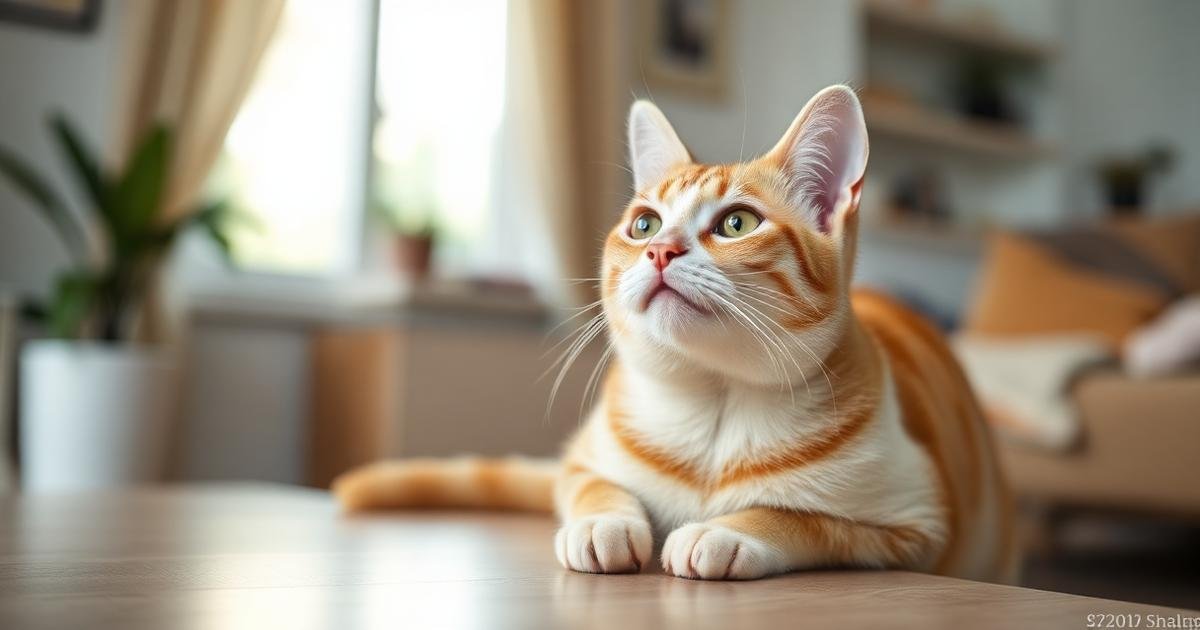
If your cat is eating ravenously yet losing weight, you may be witnessing one of the most telling cat hyperthyroidism signs. This common hormonal disorder strikes middle aged and senior cats, causing their thyroid gland to produce excess hormones that accelerate metabolism to dangerous levels. Recognizing these signs early is critical — untreated hyperthyroidism damages the heart and kidneys, leading to preventable suffering.
Cat hyperthyroidism signs: The five hallmark signs are dramatic weight loss despite a ravenous appetite, excessive thirst and urination, hyperactivity or restlessness, a poor coat condition, and vomiting or diarrhea. Weight loss with increased appetite is the most specific indicator — if your cat is eating more but getting th
Quick Answer: What are the most common cat hyperthyroidism signs?
The five hallmark signs are dramatic weight loss despite a ravenous appetite, excessive thirst and urination, hyperactivity or restlessness, a poor coat condition, and vomiting or diarrhea. Weight loss with increased appetite is the most specific indicator — if your cat is eating more but getting thinner, schedule a veterinary blood test immediately. For a complete guide on this topic, see the Ultimate Guide To Cat Health.
This combination of symptoms is so distinct that veterinarians can often suspect hyperthyroidism before blood work confirms it. The earlier you act, the better your cat's chances for a full recovery and normal lifespan.
This cat hyperthyroidism signs decision works best when the owner compares daily fit, tolerance, and practical consistency together.
Why does hyperthyroidism cause weight loss despite a ravenous appetite?
Your cat's thyroid gland produces T4 and T3 hormones that regulate metabolism. In hyperthyroidism, a benign tumor causes overproduction — sometimes 4-5 times normal levels. This floods the body with thyroid hormone, forcing every cell to burn energy at breakneck speed.
Your cat may eat double or triple their normal portion and still lose 10-20% of body weight within 2-3 months. The food simply cannot keep up with the metabolic furnace. This is why cat hyperthyroidism signs often fool owners into thinking their pet is healthy — a hungry, active cat seems fine until the weight loss becomes severe.
According to PetMD condition guides, this metabolic acceleration also raises body temperature slightly, making your cat seek cool surfaces like tile floors or bathroom sinks. You might find them sprawled on linoleum or pressed against cold windows, even in winter.
Pro Tip: Weigh your cat monthly with a baby scale. A loss of more than 0.5 pounds in 30 days, especially with a normal or increased appetite, warrants an immediate vet visit. Track the weight in a notebook to show your veterinarian.
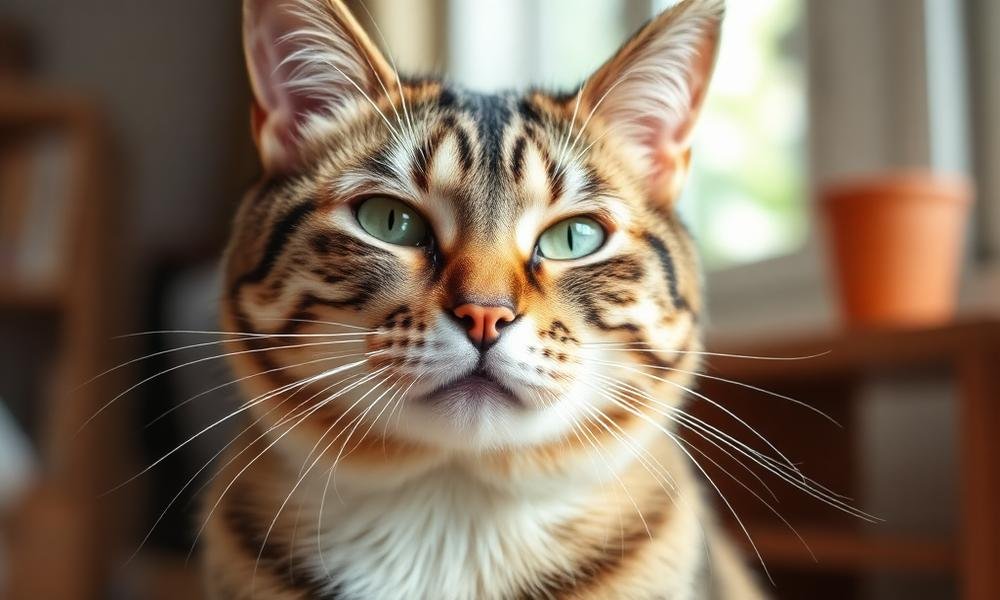
What behavioral changes signal thyroid trouble?
Hyperactivity and restlessness
You might notice your senior cat suddenly acting like a kitten — racing through the house at 3 AM, jumping on high shelves, or pacing incessantly. This isn't a second youth; it's a metabolic storm. Many owners describe their cat as "wired" or "anxious."
Increased vocalization
Hyperthyroid cats often yowl or meow excessively, especially at night. This can be mistaken for cognitive dysfunction or simple aging. The combination of hunger, discomfort, and neurological stimulation drives this behavior.
Aggression or irritability
The constant metabolic stress makes some cats irritable. They may hiss when touched, avoid petting, or swat at other pets. This is a direct result of the hormonal imbalance, not a personality change.
The ASPCA behavior resources note that these behavioral shifts often precede visible physical changes by 4-6 weeks, making them valuable early warning signs. A cat that suddenly hates being brushed or refuses to sleep on your lap may be telling you something important.
Pro Tip: If your 12-year old cat suddenly starts yowling at night and drinking from the faucet, don't assume it's dementia. Test for hyperthyroidism first — treatment often resolves these behaviors within 2 weeks.
How do physical symptoms progress over time?
Early stage (months 1-3)
Subtle weight loss with increased appetite. Your cat may vomit hairballs more frequently or have slightly softer stools. The coat begins to look greasy or matted, especially along the back and tail base. You might notice more shedding or dandruff than usual.
Moderate stage (months 4-8)
Visible muscle wasting along the spine and shoulders. Excessive thirst and urination become obvious — you'll refill water bowls twice daily and scoop larger urine clumps. Your cat may develop a rapid heart rate (over 200 beats per minute at rest).
Advanced stage (month 9+)
Severe weight loss with palpable ribs and vertebrae. Your cat may pant after mild activity, indicating heart strain. Some develop a "thyroid storm" with collapse, fever, and breathing difficulty — a veterinary emergency. At this stage, heart damage may already be irreversible.
Veterinarians generally recommend AVMA pet owner resources for monitoring senior cats, as early detection dramatically improves outcomes. Cats diagnosed in the early stage have a research suggests 90% chance of living a normal lifespan with treatment.
Help your senior cat thrive with targeted nutrition and monitoring tools
Browse Cat Health Options →
Can hyperthyroidism mimic other diseases?
Yes — and this is why cat hyperthyroidism signs are frequently misdiagnosed. Chronic kidney disease, diabetes, and intestinal lymphoma share overlapping symptoms like weight loss, vomiting, and increased thirst.
The key differentiator is appetite. Cats with kidney disease often lose appetite. Diabetic cats may have increased appetite but also show excessive thirst and urination. Hyperthyroid cats uniquely maintain or increase appetite while losing weight.
Blood work is the only reliable way to differentiate. A total T4 level above 4.5 mcg/dL confirms hyperthyroidism. The AKC behavior guides emphasize that senior cats should have annual blood panels starting at age 8. This simple test catches hyperthyroidism before it causes irreversible damage.
| Symptom Pattern | Likely Condition | Next Step |
|---|---|---|
| Weight loss + increased appetite + hyperactivity | Hyperthyroidism | Request T4 blood test |
| Weight loss + increased thirst + decreased appetite | Kidney disease | Request kidney panel (BUN, creatinine) |
| Weight loss + increased appetite + excessive thirst | Diabetes | Request glucose and fructosamine tests |
| Weight loss + vomiting + normal appetite | Intestinal disease | Request abdominal ultrasound |
What diagnostic tests confirm hyperthyroidism?
Total T4 blood test
This is the standard first line test. A single elevated reading confirms the diagnosis in research suggests 90% of cases. In early disease, T4 may be in the high normal range — your vet may recommend retesting in 2-4 weeks.
Free T4 by equilibrium dialysis
This more sensitive test catches early cases where total T4 is borderline. It's particularly useful for cats with mild symptoms or concurrent illness that suppresses T4.
Thyroid scintigraphy
This nuclear imaging test maps the thyroid gland to identify which lobe is affected. It's typically reserved for cases where surgery or radioactive iodine treatment is planned, or when a thyroid tumor is suspected.
Research suggests that early diagnosis through routine senior screening catches research suggests 30% more cases before severe symptoms develop. Many veterinarians now recommend annual T4 testing for all cats over 10 years old, even without symptoms.
Pro Tip: Ask your vet to run a full senior panel, not just T4. Hyperthyroidism often coexists with kidney disease or diabetes, and treating one can unmask the other. A complete picture prevents complications.
How is hyperthyroidism treated once diagnosed?
Medical management (methimazole)
This daily medication blocks thyroid hormone production. Cats typically show improvement in appetite and weight within 2-3 weeks. Side effects are rare but include vomiting, lethargy, and facial itching — report these immediately. Most cats tolerate methimazole well for years.
Radioactive iodine therapy
This single injection destroys abnormal thyroid tissue without harming the rest of the body. It's considered curative in research suggests 95% of cases. Cats require 2-4 days of isolation in a specialized facility but then need no further treatment. No pills, no special diet, no monthly blood work.
Dietary management (prescription low iodine food)
Hill's y/d and similar diets restrict iodine to starve the thyroid. This only works if your cat eats nothing else — no treats, no table scraps, no other cat's food. It can be effective but requires strict compliance. Many owners find this challenging with multi cat households.
Surgery (thyroidectomy)
Surgical removal of the affected thyroid lobe is rarely performed today due to risks of anesthesia in older cats and damage to nearby parathyroid glands. It's reserved for cases where other options aren't feasible. Most veterinarians recommend radioactive iodine or medication instead.
How does hyperthyroidism affect a cat's heart and kidneys?
The excess thyroid hormone forces the heart to work harder, pumping faster and with more force. Over 3-6 months, this can lead to hypertrophic cardiomyopathy — thickening of the heart muscle that reduces its ability to pump effectively. Your cat may develop a heart murmur, gallop rhythm, or eventually congestive heart failure.
Kidney function is also impacted. Hyperthyroidism increases blood flow to the kidneys, which can mask underlying kidney disease. When you treat the thyroid, blood flow normalizes and hidden kidney issues may become apparent. This is why veterinarians monitor kidney values closely during treatment.
According to the AVMA pet owner resources, approximately 30-40% of hyperthyroid cats have concurrent kidney disease. Managing both conditions simultaneously requires careful medication dosing and regular blood work every 3-6 months.
Pro Tip: Ask your vet to check your cat's blood pressure during every visit. Hyperthyroidism causes hypertension in 20-25% of affected cats, which can damage the eyes, brain, and kidneys if left untreated.
What lifestyle changes help manage hyperthyroid cats at home?
Nutritional adjustments
Feed a high-quality, high protein diet to support muscle maintenance. If your cat is on prescription low iodine food, enforce strict compliance — no treats or supplements containing iodine. Offer small, frequent meals throughout the day to accommodate the ravenous appetite without overloading the digestive system.
Environmental enrichment
Provide cool resting spots like tile floors, cooling mats, or elevated perches near windows. Hyperthyroid cats overheat easily due to their elevated metabolism. Offer interactive toys to channel their hyperactivity productively — puzzle feeders work especially well for mentally stimulating a restless cat.
Monitoring routines
Weigh your cat weekly on a baby scale and record the results. Track water intake by measuring how much you add to the bowl daily. Note any changes in behavior, appetite, or litter box habits. This data helps your veterinarian adjust treatment precisely.
Most cats with well managed hyperthyroidism live 5-8 years after diagnosis. The key is consistent monitoring and prompt communication with your vet when something changes. A small adjustment in medication dose can make a huge difference in quality of life.
Frequently Asked Questions
Can a cat with hyperthyroidism have a normal appetite?
Yes, roughly 10-15% of hyperthyroid cats maintain normal appetite, especially in early stages. Weight loss remains the most consistent sign. If your cat is losing weight but eating normally, still request a T4 test — especially if they're over 8 years old.
Do hyperthyroid cats always vomit?
No, vomiting occurs in about 40-50% of cases but is not universal. When present, it's often due to rapid eating or concurrent gastrointestinal issues. Some cats only vomit hairballs more frequently. Vomiting alone, without weight loss, is rarely the only sign.
How fast does weight loss happen with hyperthyroidism?
Weight loss typically progresses over 2-4 months, though some cats lose 10-15% of body weight within 6 weeks. The speed depends on how elevated the thyroid hormone levels are. Cats with T4 levels above 8 mcg/dL tend to lose weight fastest.
Can hyperthyroidism cause a cat to pant?
Yes, panting in cats is abnormal and can indicate heart strain from hyperthyroidism. The excess thyroid hormone increases heart rate and blood pressure, potentially leading to hypertrophic cardiomyopathy. If your cat pants after minimal activity, seek emergency veterinary care.
Is hyperthyroidism in cats always caused by cancer?
No, research suggests 98% of cases are caused by a benign adenoma, not cancer. Malignant thyroid carcinoma is extremely rare in cats. This means treatment is highly effective and most cats live normal lifespans after diagnosis. Early detection remains the key to good outcomes.
Can hyperthyroidism be reversed naturally?
No, there is no natural cure for feline hyperthyroidism. Untreated, it is progressive and fatal within 2-3 years. While some supplements claim to support thyroid health, they cannot lower T4 levels. Veterinary treatment — medication, diet, or radioactive iodine — is essential for survival.
How long does it take for treatment to work?
Most cats show noticeable improvement within 2-3 weeks of starting medication or radioactive iodine therapy. Weight gain begins within 4-6 weeks. Full normalization of thyroid levels takes 4-8 weeks with methimazole. Radioactive iodine results are typically confirmed with a follow up blood test at 1 month and 3 months post-treatment.
Can hyperthyroidism come back after treatment?
With radioactive iodine therapy, recurrence is rare — less than research suggests 5% of cases. With medication, hyperthyroidism returns if you stop giving the pills. With dietary management, any deviation from the prescription diet causes immediate relapse. Consistent treatment is essential for lifelong control.