
If your cat is scratching its ears raw, shaking its head, or leaving dark debris that looks like coffee grounds, you're likely dealing with ear mites. Cat ear mites treatment at home is possible with over-the counter solutions, but you must first confirm the diagnosis and clean the ears properly. The most effective home approach involves a vet approved ear cleaner followed by a miticide applied consistently for 3–4 weeks to break the mite life cycle.
Cat ear mites treatment at home: Yes, you can treat cat ear mites at home, but only after a veterinarian confirms the diagnosis. Use a gentle ear cleaner to remove debris, then apply an over-the-counter miticide containing ingredients like pyrethrin or selamectin. Treatment must continue for at least 3 weeks to kill newly hatched m
Quick Answer: Can I treat cat ear mites at home safely?
Yes, you can treat cat ear mites at home, but only after a veterinarian confirms the diagnosis. Use a gentle ear cleaner to remove debris, then apply an over-the counter miticide containing ingredients like pyrethrin or selamectin. Treatment must continue for at least 3 weeks to kill newly hatched mites. Never use cotton swabs deep in the ear canal.
For a complete guide on this topic, see the Ultimate Guide To Cat Health.
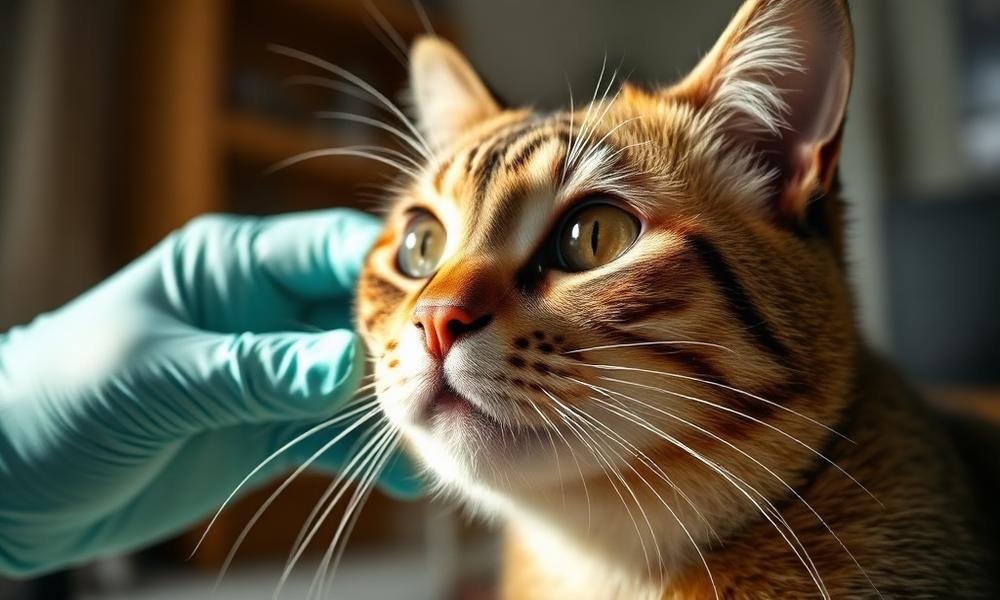
How do I know my cat has ear mites and not something else?
Ear mites (Otodectes cynotis) leave a distinctive dark, crumbly discharge that looks like coffee grounds or black pepper. You'll also see your cat scratching intensely, shaking its head, or holding one ear flat against its head. The ears may appear red and inflamed on the inside.
But here's the catch: bacterial infections, yeast overgrowth, and allergies can look nearly identical. According to the
Quick home check: Place some of the dark debris on a dark paper towel. If you see tiny white specks moving (mites are about the size of a pinhead), that's a strong indicator. But this isn't research suggests 100% reliable — some infestations have few visible mites.
Pro Tip: If both ears are affected and your cat also has scabs on its neck or tail base, ear mites are highly likely. Mites migrate beyond the ears onto the body, especially in multi pet households.
When to skip home treatment entirely
If you see yellow or green pus, a foul smell, or your cat cries when you touch its ear, stop immediately. These are signs of a ruptured eardrum or severe infection. Cat ear mites treatment at home is not safe in these cases — you need a veterinarian to prescribe oral or injectable medication.
What supplies do I need for home ear mite treatment?
Before you start, gather everything you need. Running to the store mid treatment stresses your cat and breaks the routine. Here's your checklist:
- Vet approved ear cleaner (look for one with drying agents like boric acid or salicylic acid)
- Over-the counter miticide (products with pyrethrin, or prescription Revolution/Advantage Multi for cats)
- Cotton balls or gauze pads — never cotton swabs for inside the ear
— high value rewards for cooperation - A towel — for wrapping wiggly cats burrito-style
The AKC's ear cleaning techniques for dogs translate well to cats, though cats are more sensitive. Go slowly and speak calmly throughout.
Pro Tip: Warm the ear cleaner to body temperature by holding the bottle under your arm for 5 minutes. Cold liquid in a cat's ear guarantees a fight. Warm liquid is barely noticeable.

How to clean your cat's ears for mite treatment
Proper cleaning is the foundation of any cat ear mites treatment at home plan. If you skip this step, the miticide can't reach the mites hiding under layers of debris. Follow these steps exactly:
- Wrap your cat in a towel with only the head exposed. This prevents scratching and sudden escapes.
- Fill the ear canal with the cleaning solution — don't be shy. A full canal helps float debris upward.
- Massage the ear base gently for 20–30 seconds. You'll hear a squishing sound. This loosens debris.
- Let your cat shake — they will. Have a towel ready to catch flying debris.
- Wipe the outer ear with a cotton ball. Never push anything into the ear canal.
Repeat this cleaning process daily for the first 3–4 days, then every other day for the remainder of the 3-week treatment period. The PetMD ear mite guide confirms that consistent cleaning is essential for treatment success.
What NOT to do during ear cleaning
Never use hydrogen peroxide, rubbing alcohol, or vinegar solutions in your cat's ears. These irritate inflamed tissue and can worsen the infection. Also, avoid cotton swabs — they pack debris deeper into the canal and can rupture the eardrum.
How do I apply miticide correctly for maximum effectiveness?
Applying the miticide is the second critical step in your cat ear mites treatment at home routine. Even the best product fails if you apply it incorrectly. Always read the label instructions twice before starting.
Most over-the counter miticides come as drops. After cleaning the ear, tilt your cat's head slightly to the side and apply the recommended number of drops directly into the ear canal. Gently massage the base of the ear for 10–15 seconds to distribute the medication. Then step back — your cat will shake, which helps spread the miticide deeper into the canal.
Timing matters: Apply the miticide immediately after cleaning while the ear is still slightly moist. The medication adheres better to a clean, damp surface than a dry, waxy one. Wait at least 5 minutes before letting your cat scratch or rub its ears.
Pro Tip: If your cat fights ear drops, try applying the miticide to a cotton ball and gently wiping the inner ear instead. This delivers the medication without the stress of drops. Check with your vet first to ensure this method works for your specific product.
How to handle a resistant cat during treatment
Some cats absolutely refuse ear treatment. If your cat hisses, scratches, or runs away, don't force it. Wrap your cat in a towel burrito style with only the head exposed. Have a second person gently hold the cat's body while you work on the ears. Offer high value treats like tuna or chicken baby food immediately after each session to build positive associations.

Which home remedies actually work for ear mites?
You'll find dozens of DIY remedies online — olive oil, coconut oil, garlic, tea tree oil. Most are ineffective or dangerous. Here's the truth about what works and what doesn't:
| Remedy | Effectiveness | Safety |
|---|---|---|
| Mineral oil or olive oil | Low — may smother some mites but doesn't kill eggs | Safe if used sparingly, but messy and incomplete |
| Coconut oil | Low — no proven miticidal properties | Safe, but can promote yeast growth in some cats |
| Tea tree oil | None — toxic to cats even in small amounts | Dangerous — can cause neurological symptoms |
| Garlic oil | None — no evidence of effectiveness | Toxic to cats — can cause hemolytic anemia |
| Vet approved miticide | High — kills mites and eggs when used correctly | Safe when used as directed |
The only home remedy worth considering is mineral oil as a temporary measure while waiting for a vet appointment. Apply 2–3 drops in each ear twice daily to smother some mites and reduce itching. But this is a stopgap, not a treatment.
Pro Tip: If you're determined to try a natural approach first, ask your vet about a boric acid based ear cleaner. It's a gentle drying agent that creates an inhospitable environment for mites without harsh chemicals.
How long does home treatment for ear mites take?
Ear mites have a 3-week life cycle from egg to adult. Your cat ear mites treatment at home must continue for at least 3 weeks to catch newly hatched mites that survived the first application. Stopping early is the #1 reason treatments fail.
Here's a realistic timeline:
- Days 1–3: You'll see less debris and your cat will scratch less. Adult mites are dying off.
- Days 7–10: The ear may look nearly clean. Don't stop — eggs are hatching.
- Days 14–21: Second wave of mites is killed. Continue treatment.
- Day 28: Recheck with your vet to confirm mites are gone.
According to AVMA guidelines, a single dose of prescription selamectin (Revolution) can eliminate mites in many cases. But even with prescription treatment, cleaning the debris is still necessary for full resolution.
Treating all pets in the household
Ear mites are highly contagious between cats and dogs. If you have multiple pets, treat them all simultaneously — even if only one shows symptoms. Otherwise, they'll pass mites back and forth indefinitely. Wash all bedding, toys, and grooming tools in hot water.
How do I prevent ear mites from coming back?
Prevention is just as important as treatment. Once you've cleared the infestation, you don't want to go through this again. Monthly topical preventatives like Revolution or Advantage Multi provide continuous protection against ear mites along with fleas, heartworms, and intestinal parasites.
Keep your cat indoors to reduce exposure to stray animals that may carry mites. Wash your cat's bedding weekly in hot water with detergent. Vacuum carpets and furniture regularly, especially if you have multiple pets. If you bring a new cat into your home, quarantine it for at least 2 weeks and check its ears before introducing it to your resident cats.
Environmental decontamination: Mites can survive off the host for up to 12 days in warm, humid conditions. During treatment, wash all soft surfaces your cat contacts. Throw away any porous toys that can't be washed. The ASPCA notes that thorough cleaning reduces reinfestation risk significantly.
Pro Tip: Mark your calendar for monthly topical preventative application. Set a recurring phone reminder. Consistency with prevention is far easier than dealing with another 3-week treatment cycle.
What are the signs that home treatment is working or failing?
You need to know whether your efforts are paying off. Within 3–4 days of consistent cleaning and miticide application, you should see less dark debris and less scratching. Your cat's ears should look less red and inflamed. These are positive signs that the mites are dying.
But watch for red flags. If after 7 days there's no improvement — or if the debris increases — your treatment may be failing. Possible reasons include incorrect application, a resistant mite strain, or a misdiagnosis. The PetMD ear mite guide recommends a vet recheck if you see no progress within 1 week.
| Symptom | Likely Cause | What To Do |
|---|---|---|
| No improvement after 7 days | Wrong diagnosis or resistant mites | See vet for microscopic exam |
| Yellow/green pus appears | Secondary bacterial infection | Stop home treatment; see vet immediately |
| Cat cries when ear touched | Ruptured eardrum or severe inflammation | Stop all ear drops; see vet urgently |
| Foul odor from ears | Yeast or bacterial overgrowth | Vet prescribed medication needed |
| Debris returns after stopping treatment | Treatment stopped too early | Resume treatment for full 3 weeks |
Trust your instincts. If something feels wrong, it probably is. Your cat can't tell you it hurts, but its behavior will. A cat that suddenly hides, stops eating, or avoids being touched needs veterinary attention immediately.
Get your cat relief faster with vet recommended ear care products designed for sensitive feline ears.
Browse Cat Health Options →
Frequently Asked Questions
Can I use over-the counter ear mite medicine from the pet store?
Yes, but choose products specifically labeled for cats. Avoid dog only products that contain permethrin, which is toxic to cats. Look for active ingredients like pyrethrin or selamectin. Follow the dosage exactly — more isn't better and can cause skin irritation.
How do I clean the dark debris from my cat's ears without hurting them?
Fill the ear canal with a vet approved cleaner, massage the base for 20 seconds, then let your cat shake it out. Wipe the outer ear with a cotton ball. Never insert anything into the ear canal. Repeat daily until debris is minimal, then every other day.
Will ear mites go away on their own without treatment?
No. Ear mites will not resolve without treatment. They reproduce rapidly, and the infestation worsens over time. Untreated mites can lead to secondary bacterial infections, hearing loss, and chronic inflammation. Always treat as soon as you suspect mites.
Can I use olive oil or coconut oil to treat ear mites?
These oils may smother some adult mites temporarily, but they don't kill eggs or prevent reinfestation. They're safe in small amounts but ineffective as a standalone treatment. Use only as a temporary comfort measure while waiting for proper medication.
How do I prevent my cat from getting ear mites again?
Use a monthly topical preventative like Revolution or Advantage Multi that covers ear mites. Keep your cat indoors to reduce exposure to other animals. Wash bedding weekly in hot water. If you have multiple pets, treat them all simultaneously to break the transmission cycle.
When should I stop home treatment and see a vet?
Stop home treatment and see a vet if your cat shows no improvement after 7 days of consistent care, if you see yellow/green pus or blood, if your cat cries when you touch its ears, or if the ears develop a foul odor. These signs indicate a deeper infection requiring prescription medication.
Can ear mites spread to humans?
Ear mites are species specific and prefer cats and dogs. While they can crawl onto humans, they don't establish an infestation. You might experience temporary itching if mites transfer to your skin, but they die within a few days. No treatment is needed for human exposure.
How do I know when ear mites are completely gone?
Your cat should have clean, dry ears with no dark debris for at least 7 days after stopping treatment. The ears should appear pink and healthy with no redness or swelling. Your cat should stop scratching and head-shaking. A vet can confirm with a microscopic exam of ear debris.