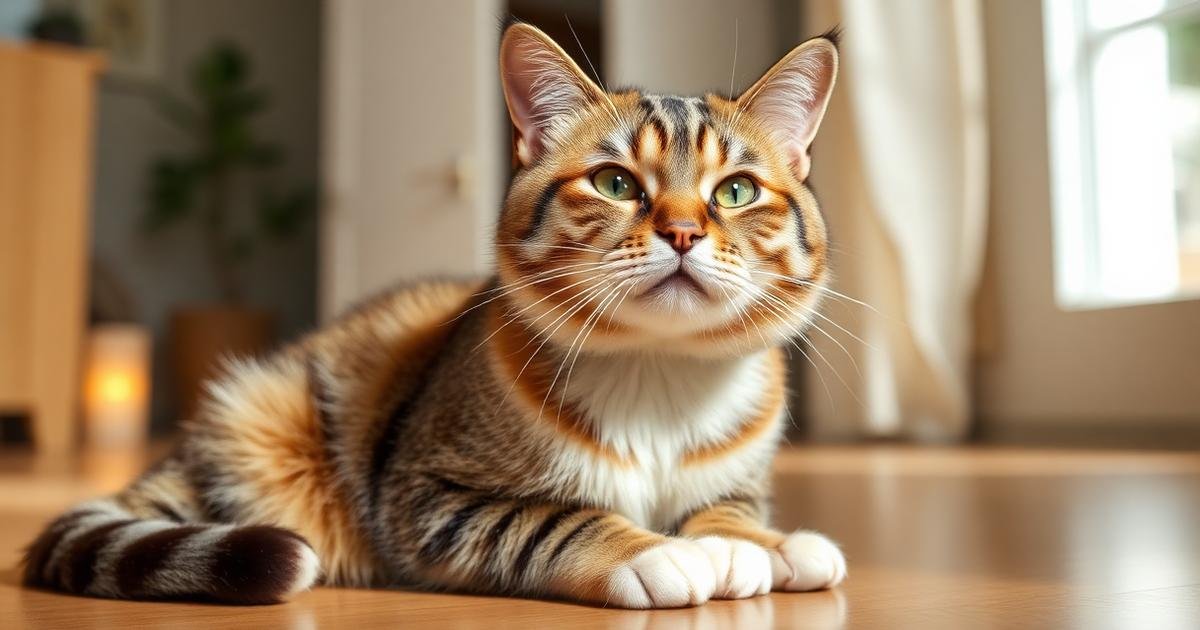
Watching your cat strain in the litter box is distressing. You need a safe, effective cat constipation home remedy that works quickly. The most reliable first step is to increase your cat's moisture intake by switching to wet food and adding a teaspoon of plain canned pumpkin to their meals, which can often produce a bowel movement within 12–24 hours. For a complete guide on maintaining your cat's digestive health, see the Ultimate Guide To Cat Health.
Cat constipation home remedy: The safest and most effective cat constipation home remedy is increasing your cat's water intake combined with fiber. Add 1 teaspoon of plain canned pumpkin (not pie filling) to wet food and ensure your cat drinks at least 3–4 ounces of water daily. This typically resolves mild constipation within 2
Quick Answer: What is the safest home remedy for cat constipation?
The safest and most effective cat constipation home remedy is increasing your cat's water intake combined with fiber. Add 1 teaspoon of plain canned pumpkin (not pie filling) to wet food and ensure your cat drinks at least 3–4 ounces of water daily. This typically resolves mild constipation within 24 hours without medication.
For a complete guide on this topic, see the Ultimate Guide To Cat Health.
Why is my cat constipated in the first place?
Constipation in cats rarely happens without a reason. The most common cause is dehydration — cats evolved from desert ancestors and naturally have a low thirst drive. When they don't drink enough, the colon absorbs too much water from stool, making it dry and hard to pass.
This cat constipation home remedy decision works best when the owner compares daily fit, tolerance, and practical consistency together.
Other frequent triggers include a low fiber diet, obesity (which reduces mobility in the colon), hairballs blocking the tract, or stress from changes in routine. According to the PetMD digestive condition guide, older cats and those with chronic kidney disease are especially prone to constipation because their bodies conserve water less efficiently.
If your cat has gone more than 48 hours without a bowel movement, or if they're vomiting, hiding, or crying out in pain, this is a veterinary emergency — not a situation for home remedies alone.
Pro Tip: Track your cat's normal pooping schedule. Most healthy cats poop 1–2 times daily. If you notice 2 days without a bowel movement, start your home remedy protocol immediately before the stool becomes impacted.
How do I use pumpkin as a cat constipation home remedy?
Plain canned pumpkin is the gold standard for feline constipation relief. It's packed with soluble fiber that draws water into the stool, making it softer and easier to pass. Use research suggests 100% pure pumpkin — never pumpkin pie filling, which contains sugar and spices toxic to cats.
Start with 1 teaspoon mixed into wet food once daily. For a 10-pound cat, this is the ideal dose. You can increase to 2 teaspoons if you see no results after 24 hours. Most cats improve within 12–36 hours of starting pumpkin.
Long term use is safe, but don't exceed 1 tablespoon daily. Too much fiber can actually worsen constipation by creating a bulk that's hard to pass. The ASPCA's resource on cat constipation notes that fiber works best when paired with increased water intake — without water, fiber can make things worse.
What about psyllium husk or other fiber supplements?
Psyllium husk (unflavored Metamucil) can work, but it's trickier to dose for cats. Use ¼ teaspoon mixed into wet food, and ensure your cat drinks extra water. Some cats refuse the texture. Canned pumpkin is generally better tolerated and safer for first time use.
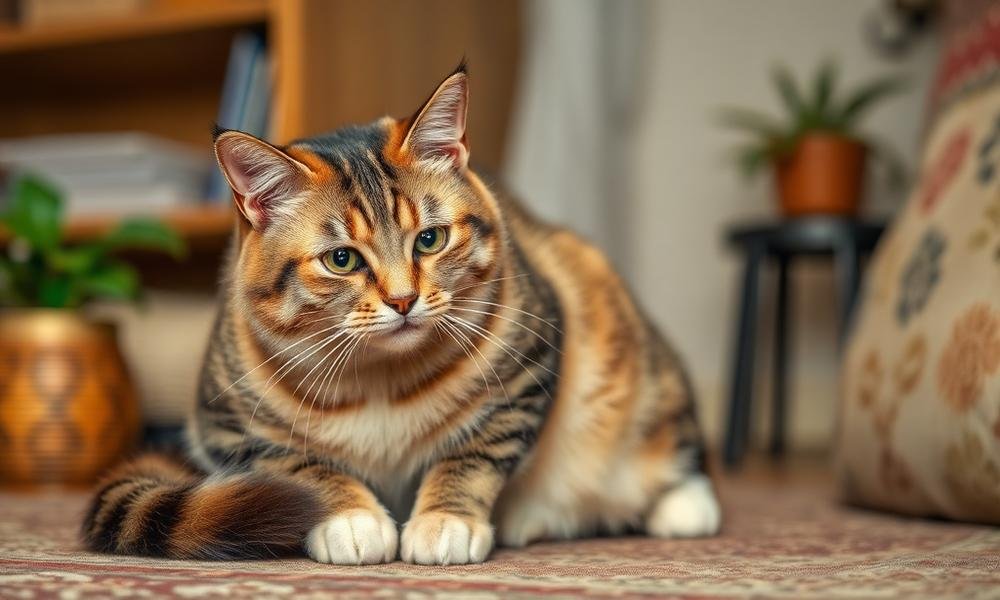
Can I use olive oil or coconut oil for cat constipation?
Yes, but with caution. A small amount of olive oil — ½ teaspoon mixed into food — can lubricate the digestive tract and help stool pass. Coconut oil works similarly, though it's more calorie-dense. These oils are not a first line remedy; they're best for cats who refuse pumpkin.
Never use mineral oil or castor oil. These can cause aspiration pneumonia if your cat inhales them, and they interfere with absorption of fat soluble vitamins. Stick to food grade olive oil or coconut oil in tiny amounts.
Veterinarians generally recommend oil based remedies only for occasional use — no more than 2–3 days in a row. Long term oil use can lead to diarrhea, dehydration, and nutrient deficiencies. If your cat needs oil more than once a week, address the underlying cause instead.
Pro Tip: Mix oil with a strongly flavored wet food like tuna or salmon pâté. Cats are more likely to accept it when it's blended with something they love. Never syringe oil into your cat's mouth — this is dangerous and stressful.
How does hydration prevent and treat cat constipation?
Water is the single most important factor in preventing constipation. Cats who eat dry food get only research suggests 10% of their water from their diet, while wet food provides 70–research suggests 80%. Switching to a high quality canned food is the most effective long term cat constipation home remedy you can implement.
For cats who won't eat wet food, try these strategies: add a splash of low sodium chicken broth to their water bowl, use a pet water fountain (moving water attracts cats), or place multiple water bowls around the house. Aim for your cat to drink 3–4 ounces of water per 5 pounds of body weight daily.
A simple test: gently pinch the skin between your cat's shoulder blades. If it snaps back immediately, they're hydrated. If it stays tented for a second or more, they're dehydrated and need more fluids. This is called skin turgor testing and is a reliable at home check.
Can I give my cat a water enema at home?
No. Never attempt a home enema on your cat. The volume and pressure required are easy to get wrong, and you can rupture your cat's colon or cause dangerous electrolyte imbalances. Enemas should only be performed by a veterinarian using sterile, cat safe solutions.
How do I recognize the difference between constipation and a blockage?
This distinction can save your cat's life. Constipation means stool is dry and difficult to pass, but some stool still comes out. A blockage means nothing is passing at all — and that's a surgical emergency.
Watch for these specific signs of a blockage: repeated unproductive straining (your cat tries to poop but nothing comes out for over 12 hours), vomiting, a hard or distended belly, lethargy, and loss of appetite. If you see any two of these signs together, skip home remedies and go straight to the vet.
Constipation, by contrast, usually involves small, hard pellets or infrequent but still present bowel movements. Your cat may strain briefly then produce a small amount of stool. The AVMA's pet owner resource on cat constipation stresses that vomiting combined with constipation is a red flag for obstruction.
Pro Tip: Take a photo of any stool your cat produces (or their straining posture) to show your vet. Visual evidence helps them distinguish between constipation, diarrhea, and blockage more accurately than verbal descriptions alone.
What lifestyle changes prevent constipation long-term?
Diet is just one piece of the puzzle. Exercise stimulates bowel motility, so ensure your cat gets at least 15–20 minutes of active play daily. Use wand toys, laser pointers, or puzzle feeders to encourage movement. Overweight cats need even more activity — aim for 30 minutes of play split into 2–3 sessions.
Hairball control is critical for long haired breeds. Brush your cat daily to reduce the amount of hair they ingest. Consider a hairball control diet or a cat safe hairball remedy (like petroleum free gel) during heavy shedding seasons. The AKC's behavior guide on cat constipation remedies emphasizes that hairballs are a leading cause of constipation in breeds like Persians and Maine Coons.
Reduce stress by providing multiple litter boxes (one per cat plus one extra), using unscented litter, and placing boxes in quiet, low traffic areas. Stress related constipation is common in multi cat households. A calm environment supports regular bowel movements.
How do I transition my cat to a constipation friendly diet?
Switching food too fast can cause vomiting or diarrhea, which worsens dehydration. Follow a 7-day transition plan: Days 1–2, mix research suggests 25% new food with research suggests 75% old food. Days 3–4, go 50/50. Days 5–6, use research suggests 75% new food. By day 7, your cat should be on research suggests 100% of the new diet. If constipation persists during the switch, slow down and add pumpkin to ease the transition.
When should I try a laxative or stool softener at home?
Over-the counter laxatives designed for humans are rarely safe for cats. However, veterinarians sometimes recommend two specific products for short term use. The ASPCA's resource on cat constipation notes that these should only be used after consulting your vet.
Miralax (polyethylene glycol 3350) is the most commonly recommended laxative for cats. The typical dose is ⅛ to ¼ teaspoon mixed into food once daily. It works by drawing water into the colon, softening stool within 12–24 hours. It's unflavored and dissolves clear, so most cats don't notice it.
Lactulose is a prescription liquid stool softener that works similarly. Your vet may prescribe it for chronic cases. Never use stimulant laxatives like bisacodyl (Dulcolax) — they can cause painful cramping and dangerous electrolyte shifts in cats.
Pro Tip: If you use Miralax, mix it into a small amount of wet food (not the whole meal). This ensures your cat eats the full dose. Wait 30 minutes before offering the rest of their food to confirm they consumed the medication.
Is your cat struggling with chronic constipation? Find the right diet and supplements to keep their digestive system running smoothly.
Browse Cat Health Options →
Frequently Asked Questions
Can I give my cat milk for constipation?
No. Most adult cats are lactose intolerant and milk can cause diarrhea, vomiting, and stomach upset. While the diarrhea might temporarily relieve constipation, it's a harsh, unhealthy solution. Stick to water, wet food, or cat safe broth instead.
How much pumpkin should I give my cat for constipation?
Start with 1 teaspoon of plain canned pumpkin per day for an average 10-pound cat. Mix it into wet food. If you see no improvement after 24 hours, increase to 2 teaspoons. Never exceed 1 tablespoon daily, as too much fiber can worsen constipation.
Is constipation in cats an emergency?
Yes, if your cat hasn't pooped in 48 hours, is vomiting, has a painful or distended belly, or is straining without producing anything. These signs can indicate a life threatening blockage. Take your cat to the vet immediately — home remedies won't resolve a complete obstruction.
Can I use fish oil for cat constipation?
Fish oil is more effective for skin and joint health than for constipation. It provides omega-3 fatty acids that reduce inflammation but lacks the fiber or lubrication needed to move stool. Use pumpkin or a small amount of olive oil instead for direct constipation relief.
What human foods help cat constipation?
Plain canned pumpkin is best. Other safe options include steamed (cooled) green beans, pureed peas, or a small amount of unsweetened applesauce. These provide fiber and moisture. Always introduce new foods slowly — ½ teaspoon at a time — to avoid stomach upset.
How often should a cat poop normally?
Healthy cats typically poop 1–2 times per day. Some cats go every 24–36 hours, which is still normal. If your cat goes more than 48 hours without a bowel movement, start a home remedy and monitor closely. Chronic infrequent pooping warrants a vet check.
Can stress cause constipation in cats?
Yes, stress is a common trigger. Changes like moving homes, new pets, or loud noises can slow gut motility. Provide a quiet litter box location, use Feliway diffusers, and maintain consistent routines to reduce stress related constipation.
Is it safe to give my cat probiotics for constipation?
Probiotics can help maintain healthy gut bacteria, which supports regular digestion. Use a cat specific probiotic powder mixed into food. They work best as a preventive measure rather than an acute treatment. Results typically appear within 1–2 weeks of daily use.