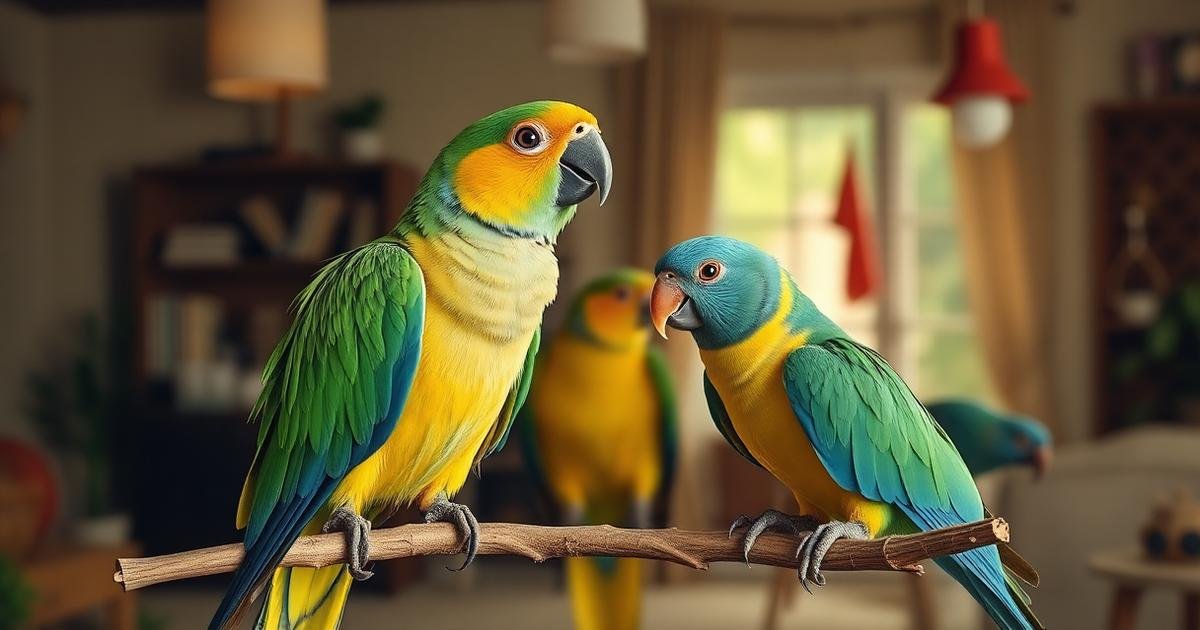
Finding the best bird toys for parrots means choosing options that match your bird's size, chewing strength, and play style. The ideal parrot toy is safe, destructible, and mentally engaging — not just colorful plastic. Prioritize natural materials like wood, sisal, and paper, and avoid toys with unsafe metals, small parts, or loose threads that could cause injury.
Best bird toys for parrots: The best bird toys for parrots are made from untreated wood, stainless steel, and natural fibers like sisal or cotton. Look for toys that encourage foraging, chewing, and problem-solving. Avoid anything with zinc, lead, or small parts that can be swallowed. Rotate toys weekly to keep your parrot eng
This guide covers what to look for, which materials are safest, and specific toy recommendations for small, medium, and large parrots. You'll learn how to rotate toys to prevent boredom and how to spot hazards before they become problems. You'll also discover how to build a toy rotation system that keeps your bird engaged day after day.
Quick Answer: What are the best bird toys for parrots?
The best bird toys for parrots are made from untreated wood, stainless steel, and natural fibers like sisal or cotton. Look for toys that encourage foraging, chewing, and problem-solving. Avoid anything with zinc, lead, or small parts that can be swallowed. Rotate toys weekly to keep your parrot engaged. For small parrots, choose balsa wood and paper toys. For large parrots, opt for hardwoods like maple or oak with reinforced hardware.
For a complete guide on this topic, see the Pet Bird Care Guide.
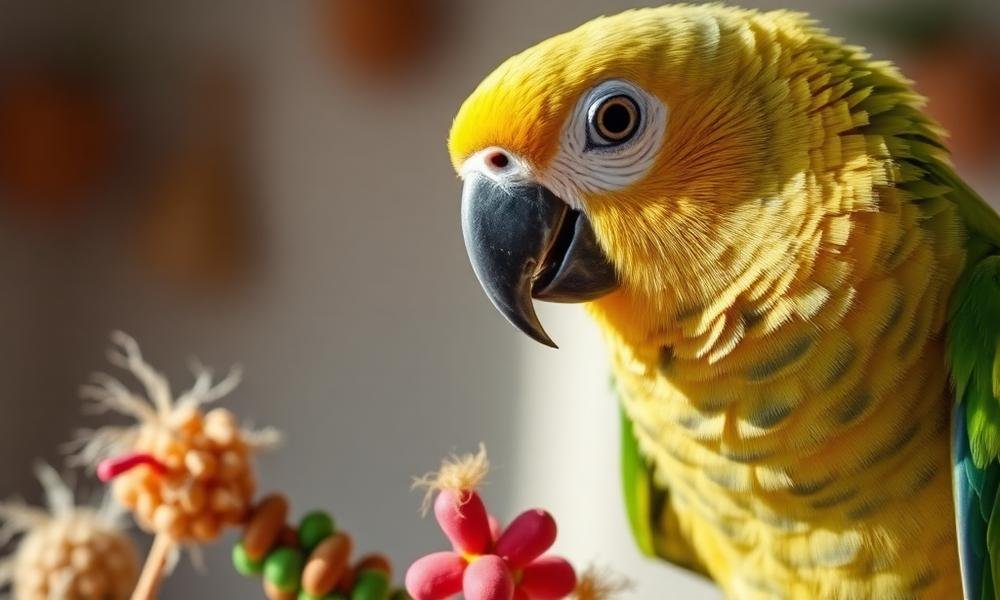
What makes a parrot toy safe and effective?
Safety is the single most important factor when choosing the best bird toys for parrots. Parrots explore with their beaks, so any toy you offer must withstand heavy chewing without breaking into dangerous pieces. The
Effectiveness comes down to engagement. A toy that sits untouched in the cage isn't doing your parrot any good. The best toys challenge your bird to figure something out — whether that's opening a compartment, shredding a layer, or manipulating a moving part. Foraging toys, in particular, tap into your parrot's natural instinct to work for food.
Pro Tip: Before buying any toy, run your fingers over all surfaces. If you feel sharp edges, small gaps, or rough spots, skip it. Your parrot's safety comes first.
Material quality matters just as much. Untreated pine, balsa, and manzanita wood are excellent choices. Stainless steel hardware is non toxic and won't rust. Avoid dyed leather or rawhide, which can contain harmful chemicals. Stick to natural, unbleached materials whenever possible.
Size also plays a critical role. A toy that's too small for a large macaw can become a choking hazard. Conversely, a toy meant for an African grey may overwhelm a budgie. Always match the toy to your parrot's beak strength and body size. Check the packaging for recommended species or weight ranges before purchasing.
What types of toys do parrots actually need?
Parrots need a variety of toy types to stay physically and mentally healthy. No single toy covers all their needs. Rotating through different categories keeps your bird engaged and prevents the destructive behaviors that come from boredom, like feather plucking or excessive screaming.
Foraging toys
Foraging toys mimic the work parrots do in the wild to find food. These toys hide treats inside compartments that your bird must open, shred, or manipulate to access. The
Chewing and shredding toys
Chewing is essential for parrot beak health. Wild parrots spend hours chewing bark, branches, and seed pods. Providing safe shredding toys made from soft wood, paper, or palm leaves satisfies this instinct. These toys also help keep your parrot's beak properly trimmed and exercised. Offer at least two shredding toys in your rotation at all times.
Foot toys and manipulatives
Parrots use their feet almost as much as their beaks. Foot toys — small objects your bird can pick up, toss, and explore — strengthen coordination and provide independent play. Look for toys made of safe wood, acrylic, or stainless steel. Avoid anything with small parts that could be swallowed. Foot toys are especially good for playtime outside the cage.
Pro Tip: Watch how your parrot plays for a few days. Does it prefer shredding, chewing, or manipulating? Buy toys that match its natural play style, then add one new type each week to expand its skills.
Climbing and swinging toys
Climbing toys like rope nets, ladders, and swings provide exercise and help maintain foot health. Parrots that spend all their time on flat perches can develop pressure sores. Rope perches and swings encourage movement and strengthen leg muscles. Just be sure to trim loose threads regularly to prevent entanglement. Inspect climbing toys every 2-3 days for fraying.
Puzzle and problem solving toys
Puzzle toys challenge your parrot's intelligence. These toys often require your bird to slide, lift, or turn parts to access a reward. Research suggests that parrots given regular puzzle enrichment show fewer behavioral issues. Start with simpler puzzles and increase difficulty as your bird masters each level. A good puzzle toy should take your parrot 5-15 minutes to solve.
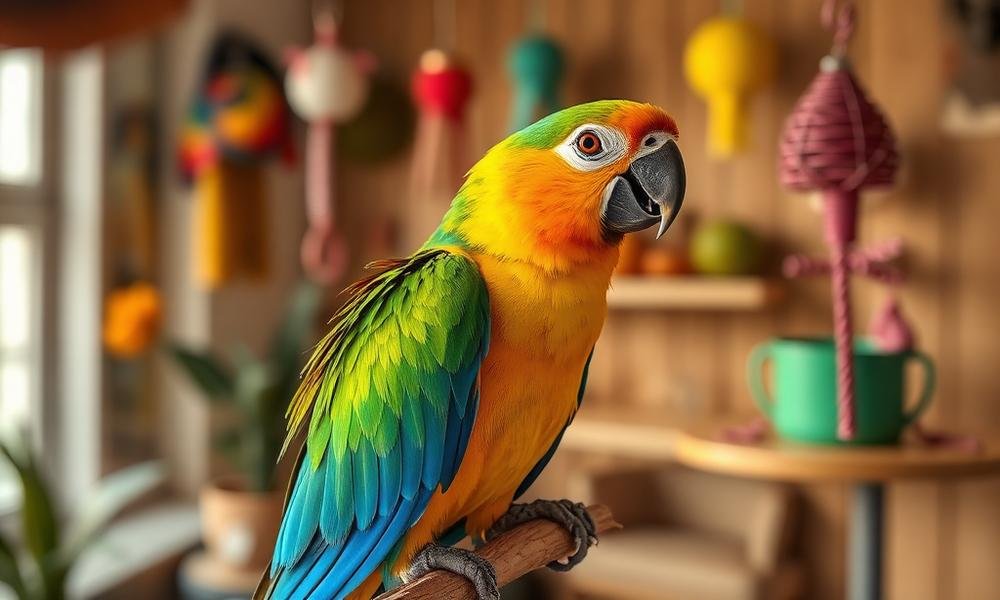
How do you choose toys for different parrot sizes?
Not all best bird toys for parrots work for every species. A toy that's perfect for a cockatiel could be dangerous for a macaw. Understanding size categories helps you make smarter choices. Always check the manufacturer's size recommendations before buying.
Small parrots (budgies, cockatiels, lovebirds)
Small parrots have delicate beaks and need toys with softer materials. Balsa wood, paper, and thin leather strips work well. Avoid toys with small plastic parts that could be swallowed. Look for toys with small foraging compartments and lightweight bells made from stainless steel. Rotate toys every 3-4 days to keep interest high. Small parrots benefit from having 3-4 toys in their cage at once.
Medium parrots (conures, senegals, caiques)
Medium parrots have stronger beaks and need more durable toys. Pine and manzanita wood hold up well to their chewing. Foraging toys with moderate difficulty levels work best. These birds also enjoy foot toys they can carry around. Check toys weekly for wear and replace them before they break into dangerous pieces. Medium parrots do well with 4-5 toys in rotation.
Large parrots (African greys, macaws, cockatoos)
Large parrots have powerful beaks that can destroy most toys in hours. You need heavy duty toys made from hardwoods like maple or oak, with stainless steel hardware. Foraging toys should have reinforced construction. These birds need at least 4-6 toys in rotation at all times. Replace toys as soon as you see significant damage. A single large parrot can go through 2-3 toys per week.
Pro Tip: For large parrots, buy toys in bulk and rotate them weekly. A single toy might last only a day or two. Having a stockpile ensures your bird always has something fresh to work on.
Breed specific needs also matter. African greys are particularly prone to boredom and feather plucking, so they need more foraging and puzzle toys. Cockatoos, with their strong chewing drive, need heavy duty shredding toys. Macaws enjoy toys they can manipulate with their feet. Know your bird's tendencies and buy accordingly. Observe your parrot's play style for at least a week to identify its preferences.
Which materials should you look for — and avoid?
Material choice directly impacts your parrot's safety. The best bird toys for parrots use materials that are non-toxic, durable, and appropriate for your bird's chewing strength. Here's a quick breakdown of what to choose and what to skip.
| Material | Safe for parrots? | Best for |
|---|---|---|
| Untreated pine | Yes | All parrot sizes, shredding and chewing |
| Balsa wood | Yes | Small to medium parrots, easy shredding |
| Manzanita | Yes | Large parrots, climbing and perching |
| Stainless steel | Yes | Hardware, bells, foraging parts |
| Sisal rope | Yes | Climbing toys, swings (trim loose threads) |
| Cotton rope | Yes, with caution | Climbing toys (monitor for fraying) |
| Acrylic | Yes | Foraging toys, foot toys (non-chewable) |
| Zinc | No | Avoid entirely — toxic to birds |
| Lead | No | Avoid entirely — toxic to birds |
| Brass | No | Avoid entirely — contains zinc |
| Dyed leather | No | Avoid — dyes can be toxic |
| Rawhide | No | Avoid — choking hazard, chemically treated |
Always check best bird toys for parrots description for material details. If a toy doesn't list its materials, contact the manufacturer before buying. Reputable brands will clearly state what their toys are made from. Avoid toys with vague descriptions like "wood mix" or "natural materials."
The
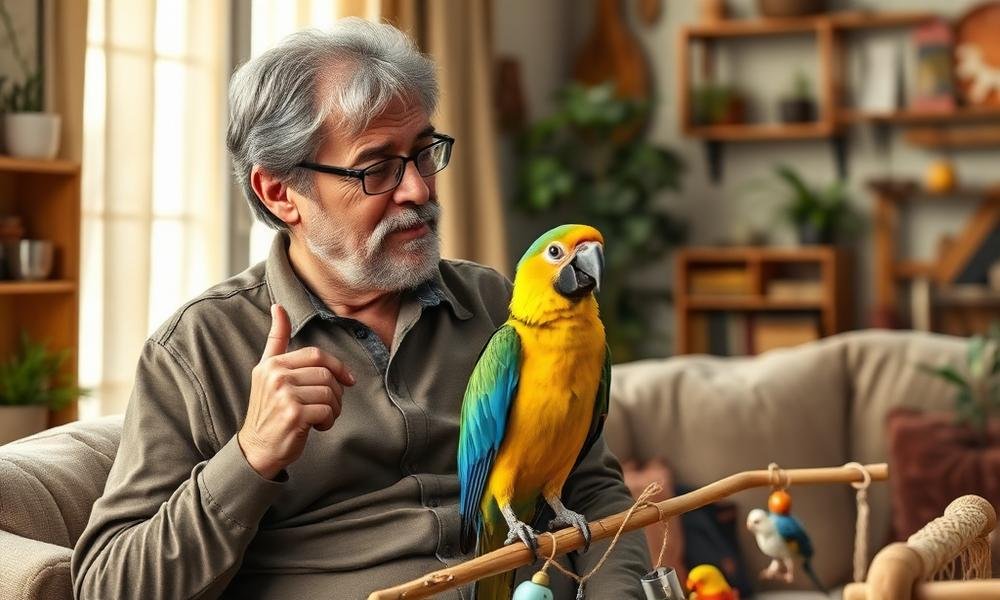
How can you build a toy rotation system that works?
A toy rotation system prevents boredom and extends the life of your parrot's toys. Without rotation, your bird loses interest within days. With a system, each toy stays novel and exciting. Start by building a collection of 8-12 toys across different categories: foraging, shredding, foot toys, climbing, and puzzles.
Divide your toys into two sets of 4-6 toys each. Keep one set in the cage and the other in storage. Every 5-7 days, swap the sets completely. This gives your parrot a completely new environment each week. Mark your calendar or set a phone reminder so you never miss a rotation day.
Pro Tip: Keep a simple rotation log on your phone. Note which toys you put in and when you last rotated. This helps you track which toys your parrot engages with most and which ones get ignored.
Pay attention to which toys your parrot destroys first. If a shredding toy is gone in hours but a puzzle toy sits untouched, adjust your mix. The goal is to match your bird's natural play preferences while gently introducing new challenges. Over 2-3 weeks, you'll learn exactly which combinations keep your parrot happiest.
Don't throw away damaged toys right away. Sometimes you can salvage parts. A rope toy with a frayed end can be trimmed and re-knotted. A wooden block with chewed edges can be sanded smooth. Just be sure the toy is still structurally sound before returning it to the cage. Salvaging parts saves money and reduces waste.
How often should you rotate and replace parrot toys?
Toy rotation is not optional — it's essential. Parrots are intelligent animals that get bored quickly. A toy that was exciting on Monday can be ignored by Wednesday. The general rule is to rotate toys every 5-7 days. Swap out 2-3 toys at a time, keeping the rest in storage for the next rotation.
Inspect toys daily during your regular cage cleaning. Look for cracked wood, frayed rope, loose parts, or any sign of wear. Remove damaged toys immediately. A toy that's falling apart can injure your parrot or become a choking hazard. Replace toys as soon as you see significant damage, even if it's only been a day.
Have at least 8-10 toys in your rotation for a single parrot. This gives you enough variety to keep things fresh without repeating too quickly. Store unused toys in a clean, dry container. Rotate them in and out to maintain novelty. The best bird toys for parrots are the ones that stay interesting over time.
Pro Tip: Keep a simple rotation log on your phone. Note which toys you put in and when you last rotated. This helps you track which toys your parrot engages with most and which ones get ignored.
Don't throw away damaged toys right away. Sometimes you can salvage parts. A rope toy with a frayed end can be trimmed and re-knotted. A wooden block with chewed edges can be sanded smooth. Just be sure the toy is still structurally sound before returning it to the cage.
What are the warning signs of a dangerous toy?
Even the best bird toys for parrots can become dangerous over time. Daily inspection is your best defense against accidents. Look for cracked or splintered wood, which can cause mouth injuries. Check rope toys for loose threads that could wrap around your bird's toes or neck. Remove any toy with loose hardware immediately.
Watch for signs of wear that compromise the toy's structure. A foraging toy with a broken door might pinch your parrot's beak. A bell with a cracked surface could have sharp edges. If a toy looks questionable, err on the side of caution and replace it. The cost of a new toy is nothing compared to an emergency vet visit.
Pay attention to your parrot's behavior around toys. If your bird suddenly avoids a toy it used to love, inspect it closely. There may be a hidden hazard you can't see at first glance. Similarly, if your parrot seems frustrated or aggressive with a particular toy, remove it. Not every toy is right for every bird.
Pro Tip: Keep a small "toy first aid kit" with scissors, pliers, and spare quick links. You can often fix minor issues like loose threads or bent hardware without throwing the whole toy away.
Never leave your parrot unsupervised with a new toy for the first few hours. Watch how your bird interacts with it. Some parrots chew aggressively and can break toys faster than expected. Others might get their beak or foot caught in unexpected ways. Supervised playtime helps you identify risks before they become emergencies.
Ready to upgrade your parrot's toy collection with safe, engaging options?
Browse Bird Care Options →
For broader reference and guidance, akc.org provides useful context on pet health and care decisions.
For broader reference and guidance, petmd.com provides useful context on pet health and care decisions.
Frequently Asked Questions
How many toys should a parrot have in its cage at once?
Most parrots should have 4-6 toys in their cage at any given time. This provides enough variety without overcrowding the space. Rotate 2-3 toys every week to maintain interest. Too many toys can overwhelm your bird, while too few leads to boredom and destructive behaviors like feather plucking.
Are plastic toys safe for parrots?
Hard acrylic toys are generally safe for supervised play, but soft plastic toys are not. Parrots can break soft plastic into sharp shards that cause injury. Acrylic foraging toys are durable and non-toxic, but they don't satisfy chewing needs. Use plastic toys sparingly and always check for damage before each use.
Can parrots play with dog or cat toys?
No. Dog and cat toys are not designed for parrot safety. They may contain toxic materials, small parts, or chemicals that are safe for mammals but dangerous for birds. Always buy toys specifically made for parrots. The construction and materials are tested for avian safety and beak strength.
What are the best foraging toys for beginner parrots?
Start with simple foraging toys like paper cups with treats inside, or small cardboard boxes with holes. These are easy to open and build confidence. Progress to toys with sliding doors or rotating compartments as your parrot learns. The goal is success, not frustration. Offer 2-3 foraging attempts per day.
How do I clean parrot toys safely?
Wash wooden toys with warm water and a mild dish soap, then rinse thoroughly. Allow them to dry completely before returning to the cage. Rope toys can be machine washed on a gentle cycle. Acrylic toys can be soaked in a vinegar water solution. Never use bleach or harsh chemicals on any toy your parrot uses.
Do parrots need new toys every week?
Not necessarily new toys, but rotated toys. Having 8-10 toys in rotation means you cycle through them without buying new ones constantly. Replace toys only when they show wear or damage. A well maintained toy can last months with proper care and rotation. Budget for 2-3 new toys per month to keep the collection fresh.
What should I do if my parrot ignores all its toys?
First, check that the toys match your parrot's size and play style. Try moving toys to different locations in the cage. Parrots often ignore toys placed too close to food or water bowls. You can also try hiding treats in or behind toys to spark curiosity. If nothing works after 2 weeks, consult an avian behaviorist.
Can I make my own parrot toys at home?
Yes, homemade toys can be safe and cost-effective. Use untreated wood, food grade paper, and stainless steel hardware. Avoid glue, paint, or any materials with unknown化学成分. Simple projects like threading wooden blocks on a sisal rope or filling a paper bag with treats work well. Always supervise your parrot with homemade toys.
Check out our complete overview of best bird cage for budgies for more information.