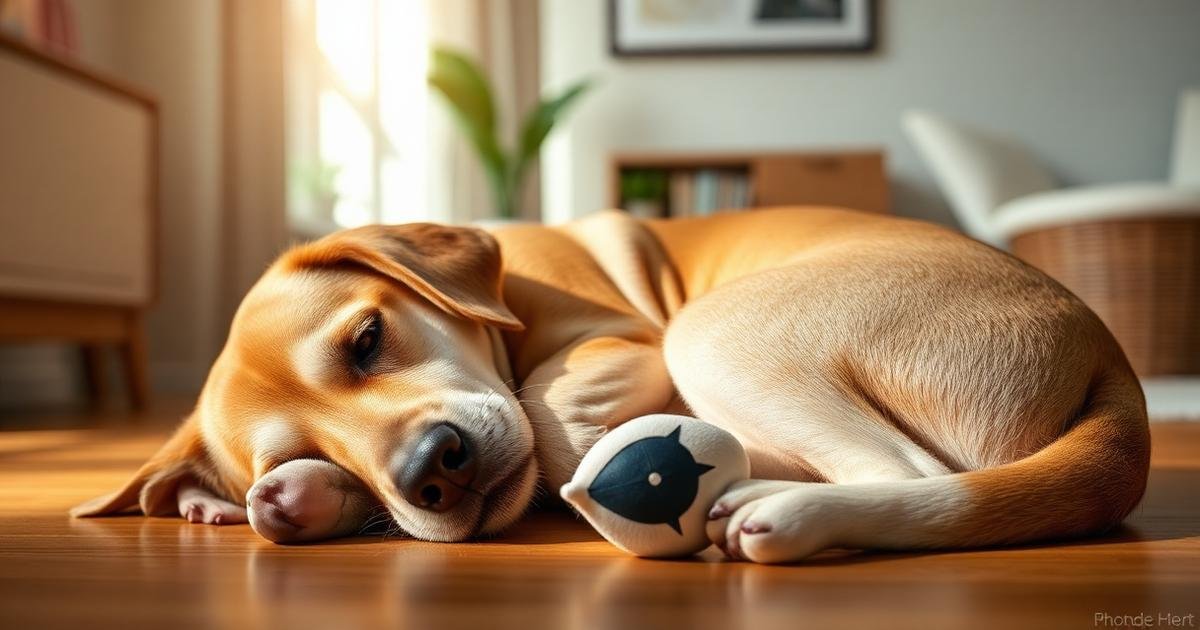
Waking up to find your normally energetic dog has turned into a furry lump that won't move can be unsettling. You're not alone — this sudden shift in behavior worries thousands of pet owners every week. If your dog is sleeping all day suddenly, it's a sign that something has changed, and understanding why is the first step to helping them feel like themselves again. The causes range from simple boredom and age related changes to serious medical conditions that need immediate attention. Your dog isn't being lazy or stubborn — they're telling you something is different, and it's your job to figure out what. why dog sleeping all day suddenly is one of the most important decision points for long term daily fit.
Why dog sleeping all day suddenly: Your dog sleeping all day suddenly could be due to boredom and lack of mental stimulation, age-related cognitive decline, pain from arthritis or injury, a medical condition like hypothyroidism or anemia, or simply a growth spurt in puppies. The key is ruling out serious health issues first before as
Quick Answer: Why Is My Dog Sleeping All Day Suddenly?
Your dog sleeping all day suddenly could be due to boredom and lack of mental stimulation, age related cognitive decline, pain from arthritis or injury, a medical condition like hypothyroidism or anemia, or simply a growth spurt in puppies. The key is ruling out serious health issues first before assuming it's a behavioral problem. Start with a vet visit to check for pain, infection, or metabolic issues — then address boredom and enrichment.
For a complete guide on this topic, see the Dog Behavior Guide.
Why Your Dog Is Sleeping All Day Suddenly
It feels personal when your dog seems uninterested in everything, but it's not. Dogs don't sleep excessively out of laziness or spite — they're communicating that something is off. Here are the most common root causes for why dog sleeping all day suddenly becomes a new normal.
Boredom and Lack of Stimulation
Dogs need both physical exercise and mental challenges to stay engaged. When they don't get enough, they simply shut down and sleep. A dog who gets less than 30 minutes of active exercise daily is far more likely to become lethargic and withdrawn. This is the most common cause and the easiest to fix — but only after you've ruled out medical issues.
Pain or Physical Discomfort
Arthritis, hip dysplasia, dental pain, or injuries make movement painful. Your dog isn't lazy — they're avoiding discomfort. According to the
This why dog sleeping all day suddenly decision works best when the owner compares daily fit, tolerance, and practical consistency together.
Age Related Cognitive Decline
Senior dogs (over 7 years old) can develop canine cognitive dysfunction, similar to dementia in humans. This causes confusion, disrupted sleep wake cycles, and increased daytime sleeping. Studies indicate that research suggests 68% of dogs over 15 show at least one sign of cognitive decline. Your dog may seem disoriented, stare at walls, or forget house training routines.
For many homes, the right why dog sleeping all day suddenly choice is the one that stays reliable under ordinary daily conditions.
Medical Conditions
Hypothyroidism, diabetes, anemia, heart disease, and infections all cause fatigue. If your dog is also drinking more water, losing weight, or has a dull coat, a vet visit is essential. The PetMD condition guides list lethargy as a key symptom for dozens of canine health issues. Blood work is often the only way to catch these conditions early.
A well matched why dog sleeping all day suddenly option should support the pet clearly without making the routine harder to maintain.
Depression or Grief
Dogs grieve the loss of a companion — human or animal. They can also become depressed after a major change like moving homes or a family member leaving. This emotional exhaustion shows up as excessive sleeping and loss of interest in favorite activities. The good news is that this usually resolves within 2–4 weeks with extra attention and routine.
Normal Growth or Recovery
Puppies go through growth spurts where they sleep up to 20 hours daily. Adult dogs recovering from illness, surgery, or intense activity also need extra rest. This is temporary and should resolve within 1–2 weeks. If it lasts longer than that, it's time to investigate further.
Root Cause Decision Tree: Match Your Dog's Behavior
Match your dog's specific behavior to find the fastest fix:
| What you observe | Likely root cause | First fix to try |
|---|---|---|
| Sleeps all day but is restless at night | Disrupted sleep cycle or cognitive decline | Establish a consistent daily routine with morning walks |
| Only sleeps when you're home; active when you leave | Boredom or attention-seeking | Add 2–3 short training sessions during your day |
| Sleeps more and limps or hesitates to jump | Pain or arthritis | Schedule a vet exam for pain management options |
| Sleeping + drinking excessive water + weight change | Diabetes or thyroid issue | Blood work at the vet within 48 hours |
| Puppy under 1 year who sleeps 18+ hours | Normal growth spurt | Monitor for 1–2 weeks; no action needed |
| Senior dog who seems confused at times | Cognitive dysfunction | Ask vet about supplements and environmental enrichment |
When This Is NOT Just Behavior
Sudden lethargy in an adult dog is a red flag that should never be ignored. While behavioral causes are common, you need to rule out medical emergencies first. If your dog is sleeping all day suddenly and shows any of these signs, call your vet immediately:
- Limping, whimpering, or avoiding stairs
- Loss of appetite for more than 24 hours
- Vomiting or diarrhea
- Excessive panting or restlessness
- Sudden behavior change after age 7
- Collapse or difficulty standing
According to the
Pro Tip: Take a video of your dog's behavior over 24 hours before the vet visit. Vets can spot subtle signs of pain or neurological issues that you might miss in the moment. Record how your dog gets up, walks, and reacts to being touched.
Enrichment Protocol: How to Fix Boredom Related Sleeping
If your vet has ruled out medical causes, the fix is a structured enrichment protocol. This isn't about keeping your dog busy — it's about meeting their core needs so they don't default to sleeping all day. Follow this plan for 2–3 weeks and track changes in energy levels.
- Physical exercise: At least 45 minutes of active exercise daily, split into two sessions. This could be brisk walks, fetch, or swimming.
- Mental stimulation: Use puzzle feeders for meals, frozen Kongs with peanut butter, and sniff walks where your dog leads the way.
- Chew outlet: Provide appropriate chew toys like bully sticks or rubber chews to satisfy natural chewing instincts.
- Training sessions: 10 minutes daily of trick training or obedience work. This builds confidence and engagement.
- Social interaction: Arrange playdates with other dogs or supervised time with new people.
Pro Tip: A simple "sniff walk" — where you let your dog stop and sniff as long as they want for 20 minutes — is mentally more tiring than a 60-minute power walk. Use this on days when you're short on time. Your dog's brain works harder processing scents than their body does walking.

How to Rule Out Medical Causes at Home
Before you dive into behavioral fixes, you need to do a quick home health check. This isn't a substitute for a vet visit, but it helps you gather information. Start by checking your dog's gums — they should be pink and moist, not pale or sticky. Pale gums can indicate anemia or dehydration.
Next, gently feel your dog's body for any lumps, heat, or areas that cause flinching. Run your hands along their spine, hips, and legs. Check their eyes for cloudiness or discharge, and their ears for redness or odor. According to the AKC behavior guides, dogs in pain often show subtle signs like tucked tails, flattened ears, or avoiding eye contact.
Finally, monitor their water intake and bathroom habits for 24 hours. Excessive drinking combined with sudden lethargy is a classic sign of diabetes or kidney disease. If your dog is sleeping all day suddenly and also drinking more than usual, schedule a vet appointment within 48 hours.
Pro Tip: Use a simple checklist app or notebook to track your dog's symptoms for 3 days. Note the time they wake up, when they eat, how much they drink, and any unusual behaviors. This pattern is incredibly helpful for your vet to make a quick diagnosis.
Breed Specific Considerations for Sudden Lethargy
Not all dogs experience sudden lethargy the same way. Certain breeds are more prone to conditions that cause excessive sleeping. For example, large and giant breeds like Great Danes and Saint Bernards are at higher risk for bloat, which can cause sudden lethargy along with restlessness and a distended abdomen. This is a medical emergency that requires immediate vet attention.
Brachycephalic breeds like Bulldogs, Pugs, and French Bulldogs are prone to breathing difficulties that can make exercise exhausting. If your flat faced dog is sleeping all day suddenly, they might be struggling to breathe properly during activity. The PetMD condition guides note that these breeds often need shorter, cooler exercise sessions to avoid overheating and fatigue.
Herding breeds like Border Collies and Australian Shepherds rarely sleep excessively out of boredom — they're more likely to pace or develop obsessive behaviors. If one of these high energy dogs is suddenly sleeping all day, it's almost always a medical issue that needs investigation. The same applies to working breeds like Huskies and German Shepherds.
Product Buying Criteria: Choosing Tools That Help
Once you've addressed the behavioral root causes, certain products can support your dog's recovery. Don't reach for products before understanding the problem — but when you're ready, here's what to look for:
- Puzzle feeders: Look for adjustable difficulty levels and dishwasher safe materials. Start with easy settings to avoid frustration.
- Comfortable bedding: For arthritic dogs, choose orthopedic foam beds with low sides for easy access. Avoid beds with loose stuffing that could be ingested.
- Interactive toys: Choose toys made from durable, non toxic materials like food grade silicone or ballistic nylon. Avoid small parts that could become choking hazards.
- Calming aids: If anxiety is the cause, consider pheromone diffusers or anxiety wraps. Always consult your vet before using supplements.
Troubleshooting Matrix: When You've Tried Everything
| Behavior pattern | Likely cause | What to do |
|---|---|---|
| Dog sleeps all day but is hyper at night | Disrupted circadian rhythm | Increase morning exercise; reduce evening stimulation for 1 week |
| Dog sleeps more after a major life change | Depression or adjustment stress | Maintain routine; add extra affection and short play sessions for 2–3 weeks |
| Dog sleeps all day and has lost interest in food | Medical issue (kidney, liver, infection) | Vet visit within 24 hours — this is urgent |
| Dog sleeps only when left alone; active with you | Separation anxiety | Practice short departures (1–5 minutes) and build up slowly over 4–6 weeks |
| Dog sleeps all day after a vaccination or procedure | Normal recovery | Monitor for 48 hours; contact vet if lethargy persists beyond 3 days |
| Dog sleeps more and has gained weight | Hypothyroidism or overfeeding | Request thyroid panel at vet; adjust diet accordingly |
| Dog sleeps all day and pants excessively | Pain or overheating | Check for injury; provide cool water and rest; vet if panting continues |
Pro Tip: Keep a simple sleep log for 5 days. Note when your dog sleeps, wakes, eats, and plays. This pattern is gold for your vet and helps you spot improvements faster. Use a notebook or a free tracking app to make it easy.
Help your dog feel energetic and happy again with the right tools
Browse Dog Products →
Frequently Asked Questions
My dog only sleeps all day when I'm at work — why?
This likely points to boredom or separation anxiety. Your dog is sleeping because there's nothing else to do. Add a frozen Kong or puzzle feeder before you leave, and consider a midday dog walker to break up the long stretch of alone time. Within 1–2 weeks, you should see more alertness when you return home.
Will this stop on its own as they get older?
No, not necessarily. While some sleep changes are normal with aging, a sudden increase in daytime sleeping often signals an underlying issue. If your dog is over 7, schedule a vet check to rule out cognitive decline or arthritis before assuming it's just age. Early intervention makes a big difference in quality of life.
Is this a sign of separation anxiety?
Not directly. Dogs with separation anxiety typically show destructive behavior or excessive barking when left alone, not extra sleeping. However, if your dog sleeps all day only when you're gone and is anxious when you prepare to leave, anxiety could be the root cause. Watch for pacing, drooling, or whining before you leave.
How long until I see improvement with enrichment?
With consistent enrichment — 45 minutes of exercise plus mental stimulation daily — most dogs show improved energy within 1–2 weeks. If you see no change after 3 weeks, revisit the medical checklist and consult your vet again. Some dogs with cognitive decline may need medication in addition to enrichment.
Should I punish or ignore my dog for sleeping all day?
Never punish a dog for sleeping excessively. They're not choosing to be lazy — they're communicating discomfort or boredom. Punishment will only add stress and make the problem worse. Focus on identifying and addressing the root cause instead. Your patience and observation are the most powerful tools you have.
My dog sleeps all day but still wants to play at night — what's happening?
This pattern suggests a disrupted sleep wake cycle, common in dogs with cognitive decline or those who are under stimulated during the day. Increase daytime exercise and mental work, and create a calm, dark sleeping environment at night. Expect improvement within 1–2 weeks of consistent routine changes.
Can a change in diet cause sudden lethargy?
Yes, absolutely. A sudden switch to a lower quality food, or a food that doesn't meet your dog's nutritional needs, can cause fatigue. Some dogs also develop food sensitivities that make them feel sluggish. If the lethargy started around the same time you changed food, try switching back and see if energy returns within 3–5 days.
Should I wake my dog up if they're sleeping too much?
No, don't wake a sleeping dog unless it's absolutely necessary. Forced waking can cause confusion and stress, especially in senior dogs. Instead, focus on making their waking hours more engaging. If your dog is sleeping 16+ hours a day and you've ruled out medical causes, gently encourage activity during natural waking periods.