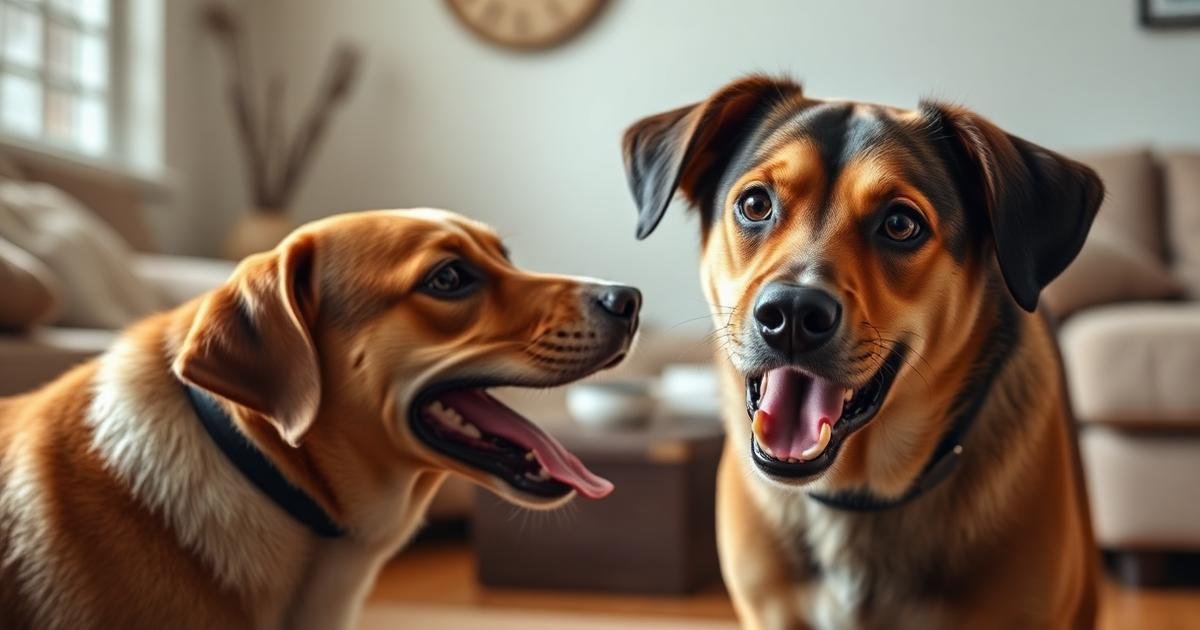
Walking your dog should be a relaxing bonding experience, not a heart pounding exercise in damage control. If your dog lunges, growls, or snaps at every dog you pass, you know the frustration and embarrassment all too well. The truth is, dog aggression toward other dogs is rarely about "dominance" or "spite." It is almost always rooted in fear, anxiety, poor socialization, or underlying pain. The fix starts with understanding the real cause and following a structured behavior modification plan — not just avoiding other dogs or hoping it goes away. dog aggressive toward other dogs is one of the most important decision points for long term daily fit.
Dog aggressive toward other dogs: Dog aggression toward other dogs is usually caused by fear, lack of socialization, resource guarding, redirected frustration, or medical pain. It is not about your dog being "bad." Start by ruling out medical issues with your vet, then implement a counter-conditioning protocol that pairs the sight o
Quick Answer: Why is my dog aggressive toward other dogs?
Dog aggression toward other dogs is usually caused by fear, lack of socialization, resource guarding, redirected frustration, or medical pain. It is not about your dog being "bad." Start by ruling out medical issues with your vet, then implement a counter conditioning protocol that pairs the sight of another dog with high value treats at a safe distance. Expect first improvements within 2–3 weeks of daily 10-minute sessions.
For a complete guide on this topic, see the Dog Behavior Guide.
This dog aggressive toward other dogs decision works best when the owner compares daily fit, tolerance, and practical consistency together.
Why Your Dog Is Aggressive Toward Other Dogs
It feels personal when your dog snarls at a passing pup. But aggression is a communication tool — your dog is saying "I'm scared," "I'm overwhelmed," or "I'm in pain." Here are the most common root causes.
For many homes, the right dog aggressive toward other dogs choice is the one that stays reliable under ordinary daily conditions.
Fear Based Aggression
This is the #1 cause. A dog who wasn't properly socialized as a puppy (between 3–16 weeks old) often views other dogs as threats. The growling and lunging are attempts to make the scary thing go away. According to the
A well matched dog aggressive toward other dogs option should support the pet clearly without making the routine harder to maintain.
Lack of Socialization
Puppies need positive exposure to at least 100 different dogs, people, and environments by 16 weeks. If your dog missed this critical window, they never learned that other dogs are safe. This does not mean it's hopeless — adult dogs can learn new social skills, but it takes longer and requires more structure.
Most owners get better long term results when dog aggressive toward other dogs is judged through routine use rather than a single product claim.
Resource Guarding
Your dog may be aggressive only when they have something valuable — a toy, food, or even you. This is called resource guarding. It is an instinctual behavior, not a moral failing. Management means removing high value items during encounters and working with a trainer on "trade-up" exercises.
The strongest dog aggressive toward other dogs choice usually becomes clearer when comfort, consistency, and practical use are reviewed together.
Redirected Aggression
Your dog sees another dog, gets frustrated because they cannot reach them, and then snaps at the dog closest to them — often your other dog or even you. This is common in dogs who are over-aroused. The fix is teaching a strong "look at me" cue and managing distance before arousal peaks.
Medical Pain or Discomfort
Sudden aggression in a previously friendly dog is a red flag. Hip dysplasia, arthritis, ear infections, or dental pain can make a dog irritable. A dog in pain will warn other dogs to stay away. According to the
Leash Frustration
Many dogs who are friendly off leash become reactive on leash. The leash restricts their natural greeting ritual — sniffing, circling, and retreating. This creates frustration that explodes as barking and lunging. This is not true aggression but looks identical to an untrained eye.
Pro Tip: Record your dog's behavior on video for 3–5 different encounters. Watch for subtle signs your dog shows before the explosion — lip licking, whale eye, stiff tail, or freezing. These are early warning signs you can interrupt before the aggression starts.
Root Cause Decision Tree
Match your dog's specific behavior to find the fastest fix:
| What you observe | Likely root cause | First fix to try |
|---|---|---|
| Growling only when other dog approaches while eating or holding a toy | Resource guarding | Trade up with higher value treats; feed in separate room during training |
| Aggression only on leash; friendly off leash at daycare | Leash frustration | Practice parallel walks with a calm dog at 50+ feet distance |
| Sudden aggression in a dog over 7 years old who was previously friendly | Medical pain | Schedule a veterinary exam including full orthopedic and dental check |
| Barking and lunging at dogs from behind a fence or window | Territorial aggression | Block visual access; practice "quiet" cue with high value rewards |
| Aggression only toward dogs of the same sex | Same sex aggression (common in intact dogs) | Spay/neuter may reduce intensity; manage environment carefully |
| Whining, then snapping at closest dog or person when unable to reach target | Redirected aggression | Teach "look at me" cue; increase distance before threshold is reached |
When This Is NOT Just Behavior
Before you start any training program, rule out medical causes. Aggression that appears suddenly in an adult dog — especially after age 7 — is a veterinary emergency until proven otherwise. Conditions like hypothyroidism, brain tumors, and chronic pain can trigger aggression.
Watch for these red flags: limping, excessive licking of one joint, yelping when touched, changes in appetite, or aggression that occurs only after exercise. According to the
Pro Tip: If your dog's aggression appears exclusively in one context — like only in the car or only at the dog park — record the exact circumstances for 2 weeks. Patterns reveal root causes. A dog who is only aggressive in the car may have motion sickness, not a behavior problem.
Enrichment Protocol for Aggressive Dogs
Aggression often stems from pent up energy and unmet needs. Before you can change how your dog feels about other dogs, you must address their daily enrichment. A tired, mentally stimulated dog has a higher threshold for frustration.
- Physical exercise: At least 45 minutes of active exercise daily — jogging, swimming, or structured fetch. Not a leisurely stroll. Exercise lowers cortisol and increases serotonin.
- Mental stimulation: Use puzzle feeders, frozen Kongs, or snuffle mats for every meal. A dog who works for food is calmer and more focused. Aim for 20 minutes of mental work daily.
- Sniff walks: Dedicate one walk per day to letting your dog sniff as long as they want. Sniffing lowers heart rate and satisfies natural foraging instincts. 20–30 minutes is ideal.
- Chew outlet: Provide appropriate chew toys daily — bully sticks, yak chews, or rubber toys with frozen filling. Chewing releases endorphins and reduces stress.
- Training sessions: 10 minutes daily of impulse control exercises — "leave it," "wait," and "look at me." These skills directly transfer to managing reactivity.
Pro Tip: For the first 2 weeks, do not attempt any "greetings" with other dogs. Focus entirely on enrichment and management. Let your dog's stress baseline drop before you start counter-conditioning. You will see faster progress.

How to Read Your Dog's Body Language Before an Outburst
Every aggressive display begins with subtle warning signals. If you learn to read them, you can intervene before your dog lunges or snaps. The ASPCA emphasizes that understanding canine body language is the foundation of any behavior modification plan.
Early Warning Signs (Stress Signals)
These appear 5–30 seconds before the explosion. Look for lip licking (not related to food), sudden yawning, turning the head away, or a tense, stiff body. Your dog may also tuck their tail or freeze in place. When you see any of these, increase distance immediately — you are too close to the trigger.
Mid Level Warning Signs (Escalation)
If you miss the early signs, your dog will escalate. You might see whale eye (showing the white of the eye), raised hackles along the back, a low growl, or a hard stare directed at the other dog. At this point, do not punish or yank the leash. Instead, create space by turning and walking away calmly. Reward your dog the moment they look away from the other dog.
Late Warning Signs (Imminent Reaction)
Snapping, air biting, lunging, and full barking indicate your dog has already exceeded their threshold. Your only job now is safety — move behind a visual barrier like a parked car or bush. Once you are at a safe distance, let your dog settle for 30 seconds before offering a treat. Never comfort or scold during this state; your dog cannot learn in an over aroused brain.
Pro Tip: Practice the "look at that" game at home first. Show a trigger (like a photo of a dog on your phone), mark the moment your dog looks at it, and reward. This builds the neural pathway for calm observation before you ever attempt it on a real walk.
The 4-Week Counter Conditioning Plan
This structured plan works for most cases of fear based and frustration based aggression. Do not skip steps. Each week builds on the previous one.
Week 1: Observation Only
Find a location where you can see another dog at a distance where your dog notices but does not react — typically 50–100 feet. Every time your dog looks at the other dog, say "yes" and drop a high value treat. Do this for 5 minutes, 3 times daily. Your dog should start to look at the other dog, then immediately look back at you for the treat. This is the goal.
Week 2: Decrease Distance by 10 Feet
Move 10 feet closer each session, but only if your dog remains calm. If your dog reacts at any point, you moved too fast — go back to the previous distance for 2 more sessions. Continue the "look at that" game. You should see your dog checking in with you more frequently by the end of this week.
Week 3: Add Movement
Now practice walking parallel to another dog at your dog's threshold distance. Do not approach head-on — that is threatening. Walk in the same direction, 50 feet apart. Reward every second your dog stays calm. If your dog can handle 10 minutes of parallel walking without reacting, you are ready for the next step.
Week 4: Controlled Greetings (If Appropriate)
Not every aggressive dog needs to greet other dogs. If your goal is peaceful coexistence on walks, you can stop here. If you want your dog to have dog friends, arrange a neutral territory walk with a calm, well matched dog. Walk side by side for 15 minutes before allowing any sniffing. Keep greetings short — 3 seconds max — then continue walking. End on a positive note before either dog gets overwhelmed.
Pro Tip: Keep a log of each session. Note the distance, the trigger, and your dog's response. If you see no improvement after 2 weeks at the same distance, you may need a veterinary behaviorist. Some dogs benefit from anti anxiety medication to make training possible.
Product Buying Criteria for Managing Aggression
Products are tools, not solutions. Use them to keep everyone safe while you work on the root cause. Here is what to look for:
- Head halter or front clip harness: These give you control without choking. Look for padded straps, reinforced stitching, and a safety clip that attaches to the collar as backup. Brands like the Freedom No Pull Harness or Gentle Leader are veterinarian-recommended.
- Basket muzzle: A well fitted basket muzzle allows panting, drinking, and taking treats while preventing bites. Look for Baskerville Ultra or similar with at least 1 inch of space at the nose tip. Do not use a fabric muzzle — they prevent panting and can cause overheating.
- High value training treats: Soft, smelly treats your dog only gets during training. Freeze dried liver, cheese sticks, or boiled chicken. Size them pea sized so you can deliver many without overfeeding.
- Management tools: Visual barriers for windows (static cling film), baby gates for separation, and a "zen zone" mat for place training. These prevent rehearsals of the aggressive behavior.
Troubleshooting Matrix
| Behavior pattern | Likely cause | What to do |
|---|---|---|
| Growls and snaps at dogs who approach while on leash, but is fine in daycare | Leash frustration | Switch to front clip harness; practice "look at me" at a distance where no reaction occurs. Expect improvement in 2–3 weeks of daily sessions. |
| Aggression only toward dogs of the same size or breed | Past negative experience with that type | Systematic desensitization: expose to that breed type at a safe distance, pairing with treats. Move closer by 5 feet per week. |
| Growls when other dog approaches while chewing a bone | Resource guarding | Trade up approach: offer a better treat, take the bone, return it. Do not punish the growl — it is a warning. Seek a trainer if it escalates to biting. |
| Barks and lunges at dogs from behind a fence | Territorial aggression | Block visual access with privacy film. Practice "quiet" cue with high value treats. Expect 4–6 weeks for noticeable change. |
| Aggression started suddenly at age 8 in a previously friendly dog | Medical pain — likely arthritis or dental disease | Schedule veterinary exam immediately. Do not train until pain is addressed. Pain medication may resolve the aggression entirely. |
| Whines, then snaps at owner when unable to reach another dog | Redirected aggression | Increase distance immediately. Teach a strong "touch" cue for disengagement. Keep sessions below threshold — if your dog reacts, you are too close. |
| Aggression only toward intact male dogs | Hormonal or past negative experience | Manage encounters carefully. Neutering may reduce intensity but is not a guaranteed fix. Work with a trainer on controlled exposures. |
Stop the lunging and growling with the right training tools — find harnesses, muzzles, and treat pouches proven to help reactive dogs.
Browse Dog Products →
For broader reference and guidance, akc.org provides useful context on pet health and care decisions.
Frequently Asked Questions
My dog is only aggressive toward other dogs at night — why?
Darkness reduces visibility, making your dog feel more vulnerable. They cannot read the other dog's body language as easily, so they default to defensive aggression. Walk during daylight hours for 2–3 weeks while you build confidence, then gradually reintroduce evening walks with a headlamp.
Will my dog's aggression stop on its own as they get older?
No. Aggression almost always worsens without intervention because every successful "scare away" reinforces the behavior. A 2-year old dog who practices aggression for 6 months will be harder to train than one who starts treatment immediately. Early intervention is critical.
Is this a sign of separation anxiety?
Not typically. Aggression toward other dogs is usually fear based or frustration-based. Separation anxiety involves distress when left alone — destruction, vocalization, and house soiling. However, a dog with high overall anxiety can have both conditions. If you see both patterns, consult a veterinary behaviorist.
How long until I see improvement?
With consistent daily training (10–15 minutes), most owners see the first signs of improvement within 2–3 weeks. Full behavior modification for severe aggression can take 3–6 months. The key is staying below your dog's threshold — if they react, you moved too fast. Progress is measured in feet, not weeks.
Should I punish or ignore the behavior?
Never punish growling or lunging. Punishment suppresses the warning signs but does not address the fear — your dog may bite without warning next time. Instead, increase distance immediately. You want your dog to learn that other dogs predict good things (treats), not punishment.
My dog is only aggressive toward other dogs when I am holding a leash — why?
Your dog may feel trapped because they cannot flee. The leash restricts their flight instinct, so they default to fight. This is called "barrier frustration." Switch to a longer leash (6–10 feet) and practice loose leash walking at a distance where no reaction occurs.
Can I use a prong collar or shock collar to stop the aggression?
Veterinarians and the AVMA strongly advise against using aversive tools for aggression. Punishment based tools increase fear and can make aggression worse. A 2020 study in the Journal of Veterinary Behavior found that dogs trained with aversive methods showed more stress behaviors. Stick to positive reinforcement and management.
Should I hire a professional trainer? How do I choose one?
Yes, if your dog has bitten another dog or person, or if you see no progress after 3–4 weeks of consistent training. Look for a Certified Professional Dog Trainer (CPDT-KA) or a veterinary behaviorist (DACVB). Avoid trainers who use alpha rolls, prong collars, or "dominance" theory. Ask for references and a written training plan.
Learn more in our detailed guide on why dog chasing tail constantly.