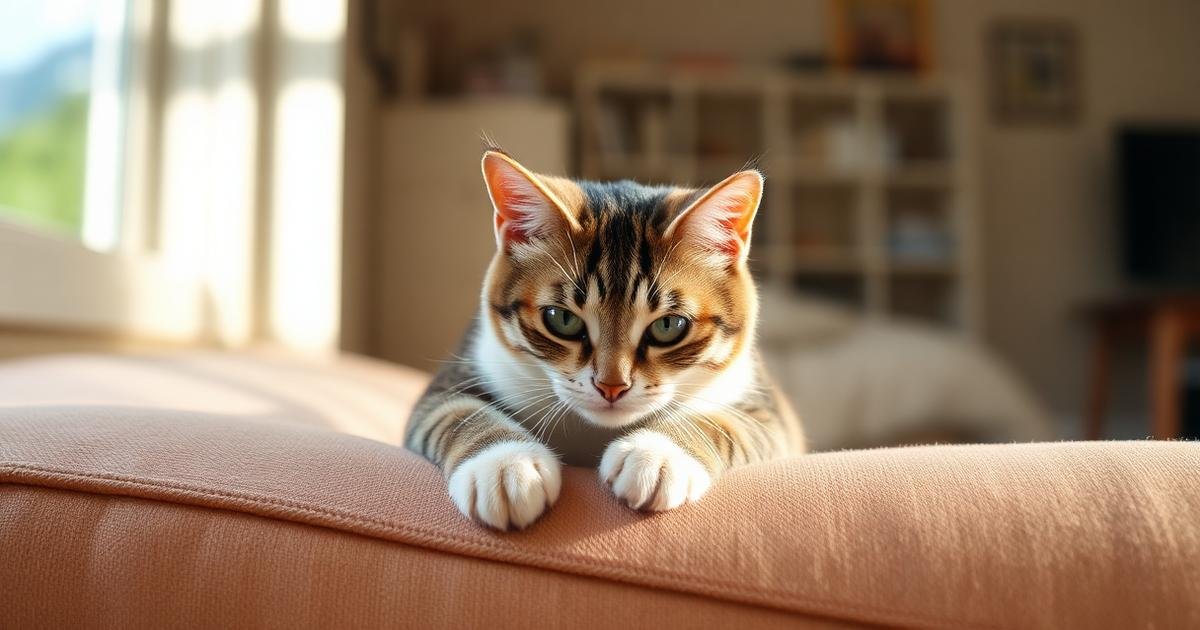
Cats scratch furniture because it is a deeply ingrained natural behavior that serves multiple essential purposes: marking territory with scent glands in their paws, stretching their muscles and tendons, conditioning their claws by removing the outer sheath, and relieving stress or excitement. This instinct is not a sign of spite or misbehavior — it is a biological necessity for your cat's physical and emotional well-being. Understanding is the first step to redirecting this behavior onto appropriate surfaces.
Why do cats scratch furniture: Cats scratch furniture to mark territory with scent from their paw pads, stretch their spine and shoulders, and maintain healthy claws by shedding dead outer layers. This instinct is not destructive behavior — it's a biological need. The most effective solution is providing appealing alternatives li
Quick Answer: Why Do Cats Scratch Furniture and How Can I Stop It?
Cats scratch furniture to mark territory with scent from their paw pads, stretch their spine and shoulders, and maintain healthy claws by shedding dead outer layers. This instinct is not destructive behavior — it's a biological need. The most effective solution is providing appealing alternatives like sisal scratching posts placed near favored furniture, not declawing. Combine this with daily play and claw trimming every 10–14 days for measurable results within 2–4 weeks.
For a complete guide on this topic, see the Cat Behavior Guide.

What Are the Primary Reasons Cats Scratch Furniture?
Scratching is a multi functional behavior that is hardwired into every cat. It is not random or malicious. Your cat gains specific benefits every time they claw your sofa.
Scent Marking and Territorial Communication
Cats have scent glands located between their paw pads. When they scratch, they deposit a unique chemical signature that communicates "this space is mine" to other animals. This is why in high traffic areas like the corner of a couch or the side of a bed — they are claiming the most visible spots.
This marking is not aggressive. It is a calm, confident signal that helps your cat feel secure in their environment. The scent is undetectable to humans but very clear to other cats.
Pro Tip: Place a scratching post within 2–3 feet of the furniture your cat currently targets. Rub catnip into the sisal rope to make the post more appealing than the couch arm.
Claw Health and Shedding
A cat's claws grow in layers. Scratching removes the dull, dead outer sheath to reveal a sharp new claw underneath. This is similar to a snake shedding its skin. Without appropriate scratching surfaces, cats will use furniture because it provides the necessary resistance to strip the sheath effectively.
Cardboard scratchers, sisal posts, and wood logs all provide the correct texture for this grooming process. Carpets and upholstery work too — which is exactly why your cat chooses them.
Full Body Stretching and Muscle Maintenance
Watch a cat scratch a tall post or a sofa arm. They extend their front legs fully, arch their back, and dig their claws in. This motion stretches the spine, shoulders, and forelimbs. It is a critical part of their daily exercise routine, especially after waking from a nap.
Cats scratch to wake up their muscles and increase blood flow. This is why you often see scratching right after a cat has been sleeping.
How Do I Know If My Cat Is Scratching for Attention or Stress?
Not all scratching is the same. The context matters. A cat that scratches while looking directly at you may be seeking interaction. A cat that scratches after a stressful event — like a visitor arriving or a loud noise — is using the behavior to self-soothe.
Attention Seeking Scratching
If your cat scratches furniture and then looks at you, meows, or pauses until you react, they have learned that scratching gets your attention. Even negative attention — shouting or clapping — reinforces the behavior because it provides a reaction. The solution is to completely ignore the scratching in the moment and reward them when they use an appropriate post.
Stress Relief Scratching
Cats release pent up energy and anxiety through physical activity. Scratching provides an outlet for frustration. If you notice your cat scratching more frequently during changes in the household — new pet, new baby, moving furniture — they are likely using it as a coping mechanism.
Pro Tip: Provide at least one horizontal scratcher (cardboard) and one vertical scratcher (sisal post) per cat. This covers both stretching preferences and stress relief needs.
Protect your furniture while keeping your cat happy. Find scratching posts, pads, and deterrents that work.
Browse Cat Products →

What Textures and Materials Do Cats Prefer for Scratching?
Not all scratching surfaces are equal in a cat's mind. Understanding material preference is key to solving — because your sofa may simply feel better than the scratching post you bought.
Sisal Rope and Carpet
Sisal is the gold standard for vertical scratching. Its rough, fibrous texture allows claws to sink in and strip the outer sheath effectively. Carpet is a close second, but it can encourage cats to scratch wall-to wall carpeting, which is often undesirable. If your cat prefers carpet, provide a flat carpet covered board.
Cardboard and Corrugated Material
Cardboard scratchers are excellent for horizontal scratching. Many cats love the sound and feel of tearing cardboard. These are inexpensive and easy to replace. The downside is durability — a determined cat can destroy a cardboard scratcher in 2–3 weeks.
Wood and Natural Bark
Some cats strongly prefer the texture of untreated wood or bark. Log scratchers or wooden planks can be a good alternative if your cat ignores sisal and cardboard. This preference often explains made of wood, such as table legs or cabinet corners.
How Can I Redirect Scratching Away From Furniture?
Redirecting scratching requires strategy, not punishment. Punishment increases stress and can worsen the behavior. Instead, use a combination of environmental changes and positive reinforcement.
Strategic Post Placement
Place scratching posts immediately next to the furniture your cat targets. Do not hide them in a corner. Cats scratch in prominent locations to mark territory. A post next to the sofa is far more likely to be used than one in a quiet room. After 2–4 weeks of consistent use, you can gradually move the post to a nearby but less intrusive spot.
Use Deterrents Temporarily
While you train your cat, protect the furniture. Double sided tape on the scratching area works well because cats dislike the sticky texture. Vinyl carpet runners (pointy side up) placed on cushions also discourage scratching. These are temporary measures — remove them once your cat consistently uses the post.
Reward Correct Behavior
Every time your cat uses the scratching post, give them a treat, praise, or a play session. This positive association is far more effective than any deterrent. Consistency matters — reward every correct scratch for at least 2 weeks to build a strong habit.
Pro Tip: Trim your cat's claws every 10–14 days. Shorter claws cause less damage to furniture and reduce the urge to scratch for maintenance reasons.

What Are the Best Scratching Post Features to Stop Furniture Scratching?
Choosing the right scratching post is critical. A flimsy post that wobbles or tips over will be ignored. Your cat needs a stable, tall, and textured surface that mimics the resistance of furniture.
Height and Stability Requirements
The post should be tall enough for your cat to fully stretch while scratching. A minimum height of 32 inches is recommended for adult cats. The base must be wide and heavy enough to prevent tipping during vigorous scratching. If the post moves, your cat will return to the sofa.
Material and Orientation Variety
Offer both vertical and horizontal scratching surfaces. Some cats prefer one over the other depending on their stretching style. Sisal covered vertical posts work well for most cats, while corrugated cardboard is ideal for horizontal scratchers. Rotate materials every few weeks to keep your cat interested.
Placement Near Key Resources
Position scratching posts near your cat's sleeping areas, feeding stations, and favorite furniture. Cats scratch after waking up and after eating. A post placed in these high traffic zones will see far more use than one tucked away in a spare room.
Pro Tip: If your cat ignores a new post, rub it with catnip or silver vine. Reward any interaction — even sniffing or rubbing — with a treat. This builds positive associations within 1–2 days.
How Does Play and Enrichment Reduce Furniture Scratching?
Boredom is a major driver of destructive scratching. A cat with insufficient mental and physical stimulation will scratch furniture to release pent up energy. Addressing this root cause can dramatically reduce the behavior.
Daily Play Sessions
Engage your cat in at least two 10–15 minute play sessions daily. Use wand toys that mimic prey movements — pouncing, chasing, and catching. This satisfies their hunting instinct and reduces the urge to scratch for stress relief. Studies suggest that cats with regular interactive play show fewer problem behaviors.
Environmental Enrichment Options
Provide cat trees, window perches, puzzle feeders, and hiding spots. A stimulating environment keeps your cat occupied and less focused on furniture. Rotate toys every week to maintain novelty. Clicker training is another effective way to channel your cat's energy into positive activities.
Scratching as Part of a Routine
Build scratching into your cat's daily schedule. After a play session, lead your cat to a scratching post and reward them for using it. Over 3–4 weeks, this routine becomes automatic. Your cat will learn that scratching the post leads to play and treats, while furniture scratching is ignored.
Should I Declaw My Cat to Stop Scratching Furniture?
Declawing is not a solution to . It is a surgical amputation of the last bone of each toe, equivalent to cutting off a human finger at the last knuckle. The American Veterinary Medical Association (AVMA) and the American Association of Feline Practitioners strongly oppose declawing for behavioral reasons.
Declawed cats often develop chronic pain, litter box aversion, and increased biting. The behavior is not eliminated — it is replaced with worse problems. Every major veterinary organization recommends positive training and environmental modification instead.
If you have tried multiple scratching posts, textures, and deterrents without success, consult a veterinary behaviorist. They can assess your specific situation and create a customized plan.
Frequently Asked Questions
Why do cats scratch furniture even when they have a scratching post?
The post may be the wrong texture, in the wrong location, or not sturdy enough. Cats prefer stable posts that don't wobble. Place the post right next to the scratched area and try different materials like sisal, carpet, or cardboard.
Is my cat scratching furniture out of spite?
No. Cats do not scratch out of revenge or anger. Scratching is an instinctive behavior tied to territory marking, claw maintenance, and stretching. Punishing a cat for scratching will increase their stress, not stop the behavior.
Does spraying my cat with water stop furniture scratching?
Spraying with water may stop the behavior temporarily, but it damages your bond with your cat and increases anxiety. The cat learns to scratch when you are not around. Positive reinforcement and environmental changes are far more effective long-term.
How many scratching posts does one cat need?
At least two per cat: one vertical and one horizontal. Place them in areas where your cat already spends time, such as near sleeping spots and high traffic zones. More posts are better if you have multiple cats or a large home.
Can I use citrus or vinegar to deter scratching?
Many cats dislike citrus scents. Lightly spraying a citrus based deterrent on furniture can help, but it must be reapplied frequently. Test on a hidden area first to avoid staining. This is a temporary aid, not a solution.
Why does my cat scratch after using the litter box?
Scratching after eliminating is a natural behavior to mark territory and signal that the area is claimed. It is not a sign of a problem. Provide a scratching surface near the litter box if this behavior bothers you.
Will getting another cat stop my cat from scratching furniture?
Not necessarily. A second cat may reduce scratching if the primary cause is loneliness or boredom. However, it can also increase territorial scratching if the cats do not get along. Introduce new cats slowly and provide ample resources for both.
How long does it take to train a cat to stop scratching furniture?
With consistent positive reinforcement and proper post placement, most cats switch to appropriate scratching within 2–4 weeks. Older cats with long standing habits may take 6–8 weeks. Patience and consistency are the keys to success.
For trusted guidance on feline health and nutrition, the ASPCA provides expert cat care resources reviewed by veterinary professionals. For health-related questions, PetMD offers veterinarian-reviewed information on symptoms and treatments.