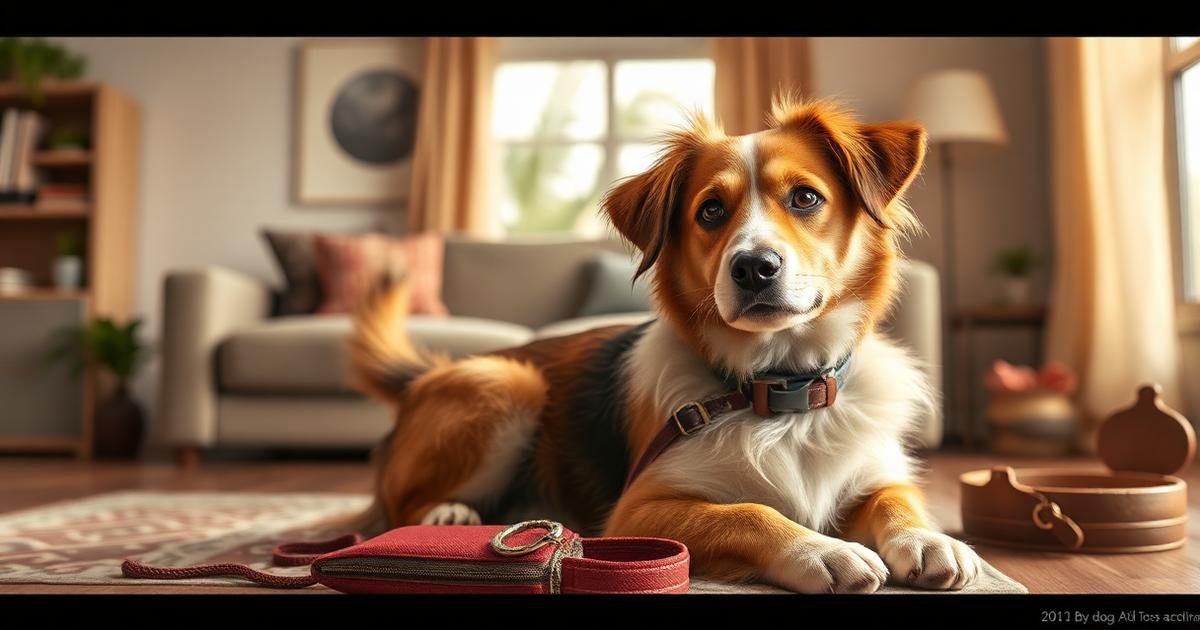
Welcome to the complete ultimate guide to dog accessories. Whether you are bringing home a new puppy or looking to upgrade your adult dog's gear, the right accessories make a real difference in safety, comfort, and daily convenience. This guide covers everything from collars and leashes to travel gear and enrichment tools, helping you choose what your dog actually needs — and what to skip. We have also included detailed sections on grooming tools, seasonal gear, and tech accessories so you can make informed decisions for every stage of your dog's life.
Ultimate guide to dog accessories: Every dog needs at least 5 core accessories: a well-fitted collar or harness, a 4–6 foot leash, a sturdy ID tag with your contact info, a comfortable crate or bed, and a set of food and water bowls. Within 2–3 weeks of bringing a dog home, you should also add a few durable toys, a grooming brush sui
Quick Answer: What are the essential dog accessories every owner needs?
Every dog needs at least 5 core accessories: a well fitted collar or harness, a 4–6 foot leash, a sturdy ID tag with your contact info, a comfortable crate or bed, and a set of food and water bowls. Within 2–3 weeks of bringing a dog home, you should also add a few durable toys, a grooming brush suited to their coat type, and a travel carrier or seat belt tether for car safety. For most owners, these 8 items cover research suggests 90% of daily needs without overspending.
For a complete guide on this topic, see the Ultimate Guide To Dog Accessories.
How to Choose the Right Collar, Harness, and Leash for Your Dog
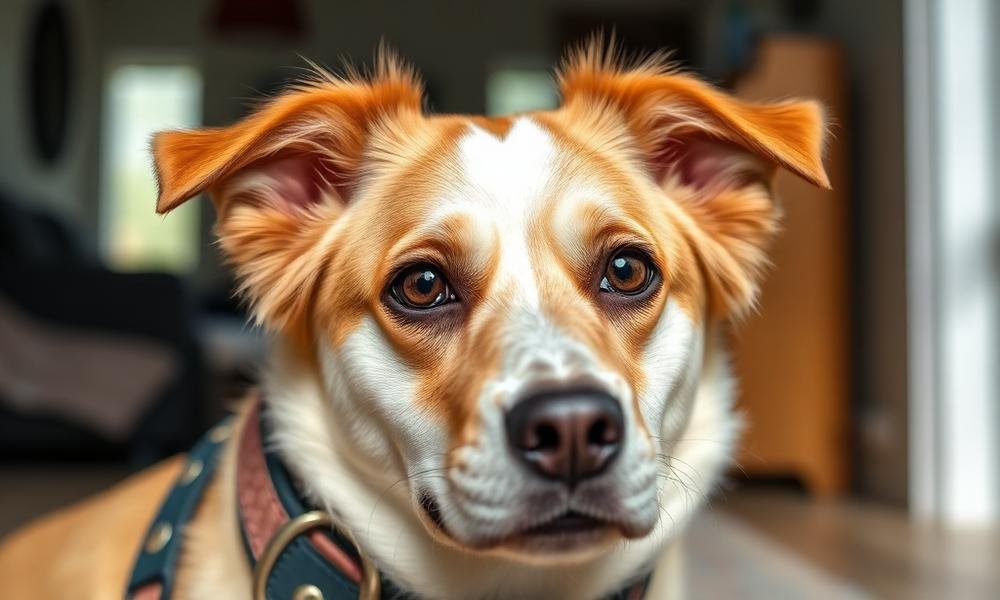
Your choice between a collar and a harness depends on your dog's breed, size, and walking behavior. Flat collars work fine for calm dogs that don't pull, but the AKC recommends harnesses for brachycephalic breeds like pugs or bulldogs to avoid tracheal pressure. If your dog pulls, a front clip harness gives you better control without choking.
Leash length matters more than most owners realize. A 4–6 foot standard leash is perfect for city walks and training. Retractable leashes can be dangerous — the ASPCA advises against them because they can cause rope burns, tangles, and sudden tension injuries. For hiking, a 6–8 foot biothane leash resists odor and weather damage.
This ultimate guide to dog accessories decision works best when the owner compares daily fit, tolerance, and practical consistency together.
Pro Tip: For escape prone dogs, use a martingale collar instead of a slip chain. Martingales tighten just enough to prevent slipping but have a safety stop so they cannot choke.
ID tags are non-negotiable. Attach a tag with your dog's name and your phone number to the collar, but also consider microchipping —
For many homes, the right ultimate guide to dog accessories choice is the one that stays reliable under ordinary daily conditions.
Harness Fitting Checklist
A poorly fitted harness can cause chafing or restrict movement. You should be able to slide two fingers under any strap. The chest strap should sit about an inch behind the armpits, and the back D ring should rest between the shoulder blades. Check the fit every 4–6 weeks for growing puppies.
A well matched ultimate guide to dog accessories option should support the pet clearly without making the routine harder to maintain.
What Are the Best Travel and Outdoor Accessories for Dogs?
If you take your dog in the car, a crash tested crate or a seat belt tether is essential. The Center for Pet Safety found that unsecured dogs can become projectiles at just 30 mph. A hard sided crate with proper ventilation is safest, but a crash tested harness clipped into the seat belt is a good alternative for larger dogs.
For hiking or long walks, a dog backpack can add mental stimulation — start with research suggests 10% of your dog's body weight and never exceed research suggests 25%. A collapsible water bowl and a portable water bottle with a built in dispenser keep your dog hydrated on the trail. Booties protect paw pads from hot pavement or icy trails; look for ones with rubber soles and Velcro straps that stay secure.
Pro Tip: Before a long hike, test booties at home for 15–20 minutes. Many dogs need 2–3 short sessions to accept wearing them. Reward with treats during each fitting.
For flights, check your airline's specific crate requirements — most require an IATA compliant crate with metal hardware, a water bowl that attaches inside, and "Live Animal" stickers. The crate should be large enough for your dog to stand, turn around, and lie down comfortably.
Car Safety Accessories for Different Dog Sizes
Small dogs under 20 pounds travel safest in a crash tested carrier that buckles into the seat belt. Medium dogs (20–50 pounds) do well with a harness that clips directly into the seat belt receiver. Large dogs over 50 pounds need a heavy duty crate secured with ratchet straps or a crash tested harness designed for their weight range. Never let a dog ride in the front seat — airbags can injure or kill a dog at any size.
Get your dog trail ready with gear that lasts — shop harnesses, crates, and travel bowls designed for real adventures.
Browse Dog Accessories →
How to Choose Food and Water Bowls That Are Safe and Practical
Stainless steel bowls are the veterinarian recommended choice for most dogs. They are non-porous, dishwasher-safe, and do not leach chemicals like some plastic bowls can. Ceramic bowls are fine if they are lead free and glazed, but they can chip or crack. Avoid plastic bowls — they harbor bacteria in scratches and can cause chin acne in some dogs.
Elevated bowls are not necessary for every dog, but they help large and giant breeds that have to bend far down. For dogs with megaesophagus or reflux, raised bowls can reduce regurgitation. Consult your vet before switching to an elevated feeder for a puppy — some research suggests rapid eating from raised bowls may increase bloat risk in deep chested breeds.
Slow feeder bowls are excellent for dogs that gulp their food in under 30 seconds. Slowing down meal time to 3–5 minutes reduces the risk of bloat and improves digestion. Look for bowls with maze like patterns or raised ridges that make the dog work for each bite.
Portable Feeding Solutions for On-the-Go
If you travel frequently with your dog, invest in a collapsible silicone bowl set that folds flat for storage. Many come with carabiners so you can clip them to a backpack or leash. For road trips, a non spill travel bowl with a weighted silicone base prevents water from sloshing onto your car floor. Some bowls even have built in filters to remove debris when filling from streams or public fountains.
What Enrichment and Training Accessories Actually Work?
Mental stimulation is just as important as physical exercise. Puzzle toys that dispense kibble or treats can keep a dog engaged for 15–30 minutes. Start with beginner level puzzles (single slider or simple flip lid) and progress to multi step puzzles as your dog catches on. The AKC recommends rotating toys every 3–4 days to maintain novelty.
A clicker is one of the most effective training tools you can buy. Pairing a click sound with a high value reward speeds up learning because the click marks the exact moment of correct behavior. For most dogs, 5–10 minutes of clicker training per day yields noticeable progress within 1–2 weeks. See our best clicker for dog training guide for specific recommendations.
Pro Tip: Use a treat pouch that clips to your waist during training sessions. It keeps treats accessible and your hands free for leash handling. Look for one with a magnetic or one handed closure for quick access.
Snuffle mats and lick mats are excellent for anxious or high energy dogs. A 10-minute session on a snuffle mat can tire a dog as much as a 30-minute walk because it engages their natural foraging instincts. Lick mats smeared with plain yogurt or peanut butter promote calmness through repetitive licking.
Decision Table: Which Enrichment Accessory Is Right for Your Dog?
| If Your Dog... | Start With This | Expected Outcome |
|---|---|---|
| Gulps food in under 30 seconds | Slow feeder bowl | Meal time extends to 3–5 minutes |
| Destroys stuffed toys in minutes | Hard rubber puzzle toy (e.g., Kong) | 15–20 minutes of engagement |
| Is anxious during storms or separation | Lick mat with frozen peanut butter | Calms within 5–10 minutes |
| Needs more mental stimulation on rainy days | Snuffle mat | 10–15 minutes of foraging activity |
| Ignores treats but loves play | Interactive treat ball that rolls | Encourages 20+ minutes of movement |
What Grooming Accessories Does Your Dog Actually Need?
Grooming accessories are not just about keeping your dog looking good — they prevent painful mats, skin infections, and excessive shedding around your home. The right brush for your dog's coat type is the single most important grooming purchase. For short coated breeds like Beagles and Boxers, a rubber curry brush removes loose hair and stimulates skin. Long coated breeds like Golden Retrievers and Collies need a slicker brush for daily detangling and an undercoat rake during shedding season.
Nail Care and Dental Accessories
Nail grinders are safer than clippers for most owners because they reduce the risk of cutting the quick. Start with a low speed grinder and let your dog sniff it before turning it on. Grind just the tip every 3–4 days for 2 weeks until your dog is comfortable. Dental accessories are equally important — a finger toothbrush with enzymatic toothpaste can reduce tartar buildup by up to research suggests 60% within 4 weeks of daily use. Dental chews are a helpful supplement but should never replace brushing.
Bathing and Drying Essentials
A non slip bath mat in your tub or shower prevents falls and reduces anxiety. Use a handheld sprayer with a shut off valve to control water flow and avoid spraying your dog's face. For drying, a microfiber towel absorbs 3 times more water than cotton towels. If your dog tolerates it, a low noise pet dryer with adjustable heat settings cuts drying time from 30 minutes to 10 minutes. Always test the temperature on your own arm first.
What Seasonal and Weather Accessories Should You Consider?
Hot pavement can burn paw pads in under 5 minutes when temperatures exceed 85°F. Use the 5-second test: press your palm to the pavement for 5 seconds. If it is too hot for your hand, it is too hot for your dog's paws. For summer walks, a cooling vest that uses evaporative technology can lower your dog's body temperature by 5–10°F. Look for vests that you soak in water, wring out, and then put on your dog — they stay cool for 2–3 hours.
Winter Gear for Cold Climates
Small breeds, short haired breeds, and senior dogs need winter coats when temperatures drop below 45°F. A good winter coat should cover the chest and belly, have a leash hole on the back, and be water resistant on the outer layer. For deep snow, consider a snowsuit that covers the legs as well. Paw protection in winter is just as important as in summer — ice melt chemicals can cause chemical burns and stomach upset if licked off. Use dog safe booties or apply paw wax before walks.
Rain and Mud Season Solutions
A waterproof raincoat with a hood keeps your dog dry and reduces the amount of mud tracked into your home. Look for one with reflective strips for visibility in low light. For muddy paws, a paw cleaner cup with silicone bristles removes dirt in under 10 seconds — just insert each paw, twist, and wipe dry. Keep a microfiber towel by your door for quick clean ups after rainy walks.
What Tech Accessories Are Worth the Investment?
GPS trackers have become popular for good reason, but they are not necessary for every dog. If your dog has a history of escaping or you live near a busy road, a GPS tracker with real time location updates gives you peace of mind. Most trackers use cellular networks and cost $10–$30 per month. The battery typically lasts 5–7 days with normal use. For most well behaved dogs in fenced yards, a sturdy collar with ID tags and a microchip remains the most reliable and cost effective solution.
Smart Feeders and Water Fountains
Automatic feeders are useful for dogs that need precise portion control or owners with irregular schedules. Look for a model that dispenses dry food only — wet food clogs most mechanisms. Programmable feeders can dispense up to 4 meals per day and hold 5–10 pounds of kibble. A pet water fountain with a charcoal filter encourages drinking by keeping water fresh and oxygenated, which is especially helpful for dogs prone to urinary tract issues. Replace the filter every 2–4 weeks according to the manufacturer's instructions.
Cameras and Activity Monitors
Pet cameras with two way audio let you check in on your dog and even dispense treats remotely. This is particularly helpful for dogs with separation anxiety — hearing your voice can calm them within 2–3 minutes. Activity monitors that attach to the collar track sleep, exercise, and scratching behavior. If you notice a sudden drop in activity or increase in scratching, it could signal a health issue worth discussing with your vet. These devices are most useful for owners who work long hours away from home.
How to Identify and Fix Common Accessory Problems
Even good accessories can cause issues if used incorrectly. Here is how to diagnose and solve the most common problems owners face.
| Likely Cause | ||
|---|---|---|
| Collar rubs fur off neck | Collar too tight or wrong material | Switch to a wider, padded collar or a harness. You should fit two fingers between collar and neck. |
| Dog chews through every bed | Boredom or anxiety, not a "bad" bed | Use a chew proof bed with ballistic fabric. Increase daily exercise to at least 45 minutes. |
| Leash slips out of hand | Leash material too slick or hands sweaty | Choose a leash with a padded handle or rubber grip. A wrist loop adds security. |
| Harness makes dog limp or chafe | Strap rubbing under armpit | Adjust the chest strap so it sits 1 inch behind the armpit. Check for twisted straps. |
| Dog refuses to walk in booties | Unfamiliar sensation or poor fit | Introduce booties indoors with treats for 5 minutes. Gradually increase wear time over 1 week. |
| Water bowl sloshes in car | No non spill design | Use a weighted, non spill travel bowl with a silicone base that grips the floor. |
| Dog ignores puzzle toys | Difficulty level too high | Drop back to a beginner puzzle. Show your dog how it works 2–3 times before expecting them to solve it. |
| GPS tracker loses signal | Thick tree cover or urban canyons | Check if the tracker uses both GPS and cellular triangulation. Move to a more open area for better signal. |
If your dog shows persistent discomfort with any accessory, stop using it immediately. Skin irritation or behavioral avoidance (freezing, hiding, excessive scratching) signals a real problem. Consult your veterinarian if symptoms last more than 2 days.
For broader reference and guidance, akc.org provides useful context on pet health and care decisions.
For broader reference and guidance, petmd.com provides useful context on pet health and care decisions.
Frequently Asked Questions
What is the single most important accessory for a new puppy?
A properly sized crate is the most important accessory for a new puppy. It aids housetraining, prevents destructive behavior when unsupervised, and gives your puppy a safe den. Within 1–2 weeks, most puppies start seeking out their crate for naps.
How often should I replace my dog's collar and leash?
Replace fabric collars and leashes every 6–12 months, or sooner if you see fraying, rust, or weakened stitching. Leather gear can last 2–3 years with proper conditioning. Check hardware monthly — a bent D ring can fail under pressure.
Are GPS trackers worth the cost for dog accessories?
GPS trackers are worth it for dogs that are escape artists or live near busy roads. They cost $10–$30 per month for cellular service. For most well behaved dogs in fenced yards, a sturdy collar with ID tags and a microchip provides sufficient protection at no recurring cost.
Can too many accessories overwhelm my dog?
Yes, introducing too many new items at once can stress some dogs. Add one new accessory at a time and give your dog 3–5 days to adjust before introducing another. Watch for signs of stress like tucked tail, yawning, or refusal to move.
What accessories do I need for senior dogs?
Senior dogs benefit from orthopedic beds with memory foam, non slip booties for hardwood floors, a harness with a handle for mobility assistance, and elevated bowls to reduce neck strain. A ramp for car or couch access prevents joint injury in dogs over 8 years old.
How do I choose between a harness and a collar for my specific breed?
Harnesses are best for brachycephalic breeds (pugs, bulldogs), small breeds prone to tracheal collapse (Chihuahuas, Yorkies), and any dog that pulls. Collars work for well-trained, calm dogs with sturdy necks like Labradors or German Shepherds. For dachshunds, always use a harness to protect their long spines.
What grooming accessories are essential for a double coated dog?
Double coated breeds like Huskies and German Shepherds need an undercoat rake to remove loose undercoat during shedding season, plus a slicker brush for daily maintenance. A de shedding tool used 2–3 times per week during heavy shedding can reduce loose hair by up to research suggests 80% within 2 weeks.
How do I clean and maintain my dog's accessories?
Wash fabric collars and leashes in warm soapy water every 2–4 weeks. Disinfect stainless steel bowls in the dishwasher weekly. Clean puzzle toys with hot water and a bottle brush after each use. Replace any accessory that shows cracks, rust, or fraying — damaged gear can injure your dog.