Choosing between clumping vs non clumping cat litter comes down to how you prioritize odor control, cleaning convenience, and your cat's comfort. Clumping litter forms solid masses when wet, making scooping fast and easy, while non clumping litter absorbs moisture but requires full replacement more often. For most households, clumping clay litter offers the best balance of odor management and daily maintenance, but the right choice depends on your specific situation.
Clumping vs non clumping cat litter: Clumping litter is generally better for most cat owners because it forms solid clumps that trap urine and odor, allowing you to scoop waste daily and keep the box fresh for 2–4 weeks between full changes. Non-clumping litter absorbs moisture but saturates quickly, requiring full replacement every 3–
Quick Answer: Which type of cat litter is better — clumping or non-clumping?
Clumping litter is generally better for most cat owners because it forms solid clumps that trap urine and odor, allowing you to scoop waste daily and keep the box fresh for 2–4 weeks between full changes. Non clumping litter absorbs moisture but saturates quickly, requiring full replacement every 3–7 days for the same odor control. For multi cat households or busy owners, clumping litter saves significant time and money.
For a complete guide on this topic, see the Ultimate Guide To Cat Litter.
How does clumping cat litter actually work?
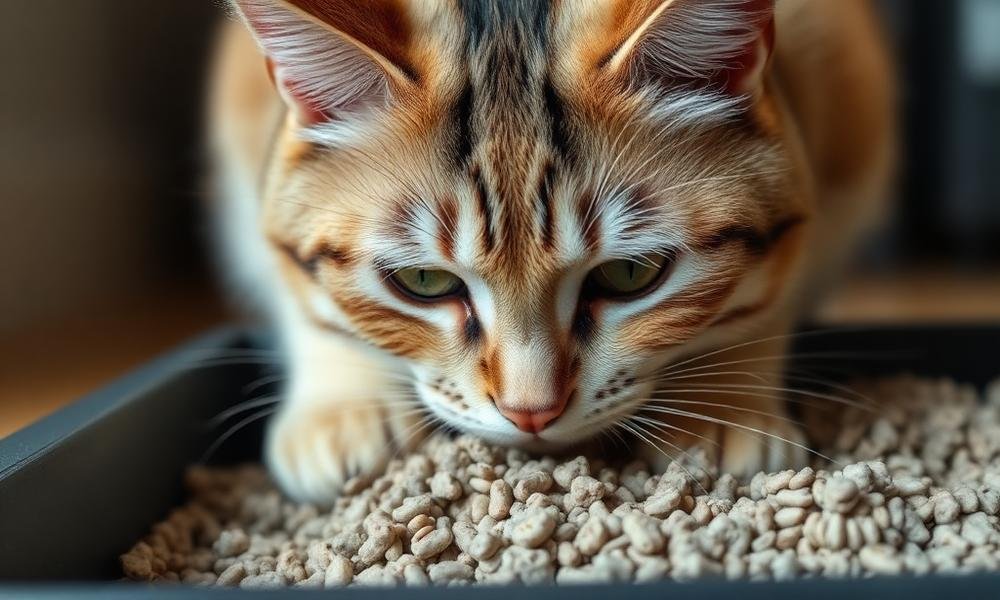
Clumping litter contains sodium bentonite clay, which swells and binds together when it contacts moisture. This creates a solid, scoopable mass that you can remove cleanly within 30 seconds of your cat using the box. The clump traps both liquid and odor inside, preventing it from spreading through the rest of the litter.
Most clumping litters form a clump within 10–15 seconds of contact. You want a litter that holds its shape when scooped — if it crumbles or dissolves, it won't control odor effectively. Premium clumping litters from brands like Dr. Elsey's or Arm & Hammer maintain clump integrity for 24–48 hours before breaking down.
Pro Tip: Let the clump sit for 30–60 seconds before scooping. This gives the litter time to fully absorb the moisture, preventing breakage and keeping the box cleaner longer.
The clumping action also reduces ammonia odor significantly. A 2020 study in the Journal of Feline Medicine and Surgery noted that clumping litters reduced airborne ammonia by up to research suggests 60% compared to non clumping clay litters, which is critical for both cat respiratory health and your home's air quality.
What happens with non clumping cat litter?
Non clumping litter relies on absorption rather than binding. Materials like clay, silica gel crystals, or plant based fibers soak up urine like a sponge, spreading moisture horizontally through the box. This means the entire litter bed becomes saturated over time, not just the spot your cat used.
With non clumping litter, you cannot remove urine selectively. The moisture spreads, creating a damp environment that promotes bacterial growth and ammonia buildup. Most non clumping litters require complete replacement every 3–7 days, compared to 2–4 weeks for clumping varieties. This makes the clumping vs non clumping cat litter decision heavily influenced by your willingness to change the entire box frequently.
Non clumping litters do have one advantage: they are typically dustier and cheaper upfront. A 40-pound bag of non clumping clay might cost $8–12, while the same size clumping bag runs $15–25. However, you will use 3–4 times more non clumping litter per month, so the cost advantage disappears quickly.
Which type controls odor better?
Clumping litter wins decisively on odor control. By removing the waste — including the urine soaked clump — you physically eliminate the source of smell. With non clumping litter, urine remains in the box until the next full change, continuously releasing ammonia as it breaks down.
For single cat households, non clumping litter can work if you change it every 3–4 days and scoop solid waste daily. But for multiple cats, the ammonia buildup becomes noticeable within 24 hours. The ASPCA recommends clumping litter for multi cat homes specifically because it allows complete waste removal between full changes.
Pro Tip: If you prefer non clumping for budget reasons, add a thin layer of baking soda under the litter. This absorbs some ammonia and extends the box life by 1–2 days before needing a full change.
Silica gel crystal litters (like PrettyLitter) are a non clumping exception. These crystals absorb urine and trap odor within the silica structure, lasting up to 30 days for one cat. However, they cannot be scooped for urine — you must stir the crystals to distribute moisture, and the entire batch gets replaced monthly.
How do your cat's preferences affect the clumping vs non clumping cat litter choice?
Cats have strong opinions about litter texture and feel. Some cats refuse to use clumping litter because the finer granules stick to their paws or feel uncomfortable. Others reject the larger pellets of non clumping pine or paper litters entirely. A cat that avoids the box will find somewhere else to go — your laundry basket, a houseplant, or a carpet corner.
The texture preference often ties to your cat's early life experience. Kittens raised on non clumping litter may never accept clumping varieties as adults. Similarly, cats who experienced pain from declawed paws often prefer softer, finer grained clumping litter. You can test your cat's preference by setting up two identical litter boxes side by side — one with each type — and tracking which one gets used more over 5–7 days.
Scent sensitivity also matters. Many clumping litters contain artificial fragrances to mask odor, but cats have 14 times more olfactory receptors than humans. A "fresh scent" that smells pleasant to you can be overwhelming or even painful for your cat. Unscented clumping litters are almost always the safer choice for maintaining your cat's litter box habits long-term.
Pro Tip: When switching litter types, always transition gradually over 5–7 days. Mix research suggests 25% new litter with research suggests 75% old litter, then increase the ratio every 2 days. A sudden change can trigger litter box aversion that takes weeks to undo.

Is clumping or non clumping litter safer for kittens and cats?
This is where the clumping vs non clumping cat litter debate gets nuanced. For kittens under 8–12 weeks, veterinarians generally recommend non clumping litter. Kittens explore the world with their mouths, and clumping clay can expand in the digestive tract if ingested, potentially causing blockages. The PetMD kitten care guide advises using non clumping paper or pine pellets until kittens are at least 3 months old.
For adult cats, clumping litter is safe when used as directed. The concern about clumping litter causing respiratory issues comes from dust, not the clumping agent itself. Low dust clumping litters (like unscented clay or grass based options) produce minimal airborne particles. If your cat has asthma or respiratory sensitivity, choose a dust free clumping litter or switch to a non clumping paper pellet litter.
Some cats also reject certain textures. Cats who experienced discomfort from clumping litter sticking to their paws may prefer non clumping options. You can test this by offering two boxes — one with each type — and observing which your cat uses consistently over 1–2 weeks.
Which litter is easier to clean and maintain?
Clumping litter requires daily scooping (30 seconds per cat per day) and a full change every 2–4 weeks. Non clumping litter needs solid waste scooped daily but requires a full change every 3–7 days, which involves dumping, scrubbing the box, and refilling — a 10–15 minute chore each time.
Over a month, clumping litter saves you 2–3 hours of cleaning time. The trade off is that you must scoop daily; skipping even two days with clumping litter can lead to clumps breaking apart and odor returning. Non clumping litter is more forgiving of irregular scooping because the ammonia hasn't been concentrated into clumps.
| Clumping Litter | Non Clumping Litter | |
|---|---|---|
| Scooping frequency | Daily (30 sec) | Daily for solids only |
| Full change frequency | Every 2–4 weeks | Every 3–7 days |
| Time per month | ~45 minutes | ~3 hours |
| Cost per month (1 cat) | $10–15 | $12–20 |
| Odor control between changes | Moderate to poor | |
| Best for | Multi cat homes, busy owners | Kittens, budget first owners |
What about natural and plant based litters?
Plant based litters (corn, wheat, pine, grass, walnut) come in both clumping and non clumping versions. Clumping plant litters use natural binders like guar gum or cellulose to form clumps. These work similarly to clay but are biodegradable and flushable in some cases. World's Best Cat Litter (corn-based) and ökocat (wood-based) are popular clumping natural options.
Non clumping natural litters like pine pellets or paper pellets absorb moisture but don't form clumps. They break down into sawdust when wet, which you can sift out. These are excellent for kittens and cats with respiratory issues but require more frequent full changes — typically every 5–7 days for one cat.
Pro Tip: If switching from clay to a plant based clumping litter, mix research suggests 25% new litter with research suggests 75% old litter for the first week. Cats often reject sudden texture changes, and a gradual transition prevents litter box aversion.
Natural litters generally produce less dust than clay, making them better for cats and humans with allergies. However, they may not clump as firmly as clay, and some cats dislike the texture of larger pellets. Test a small bag before committing to a full switch.
How does your budget change with clumping vs non clumping cat litter over time?
The upfront price difference between these litters can be misleading. A 40-pound bag of non clumping clay might cost $10, while clumping clay runs $18–25 for the same weight. But you will replace non clumping litter 4–6 times more often per month, which quickly erases the initial savings.
Let's break down the math for a single cat household over 30 days. With clumping litter, you use roughly 8–10 pounds per month (including waste removed during scooping and the full change). At $0.45 per pound, that's $4–5 per month. With non clumping litter, you use 25–35 pounds per month because you replace the entire box every 5 days. At $0.25 per pound, that's $6–9 per month. The clumping option actually saves $2–4 per month while providing better odor control.
For multi cat homes, the savings grow even larger. Two cats using clumping litter cost about $8–10 per month. The same two cats on non clumping litter cost $15–22 per month — a research suggests 50% increase. Add in the time savings from less frequent full changes, and the economic argument for clumping litter becomes very strong for most owners.
| Household Type | Clumping Cost/Month | Non Clumping Cost/Month | Annual Savings with Clumping |
|---|---|---|---|
| 1 cat | $4–5 | $6–9 | $24–48 |
| 2 cats | $8–10 | $15–22 | $84–144 |
| 3 cats | $12–15 | $24–33 | $144–216 |
Ready to find the perfect litter for your cat? Compare top rated clumping and non clumping options side by side.
Browse Cat Litter Options →
For broader reference and guidance, aspca.org provides useful context on pet health and care decisions.
For broader reference and guidance, petmd.com provides useful context on pet health and care decisions.
Frequently Asked Questions
Can you flush clumping cat litter down the toilet?
No. Clumping clay litter contains bentonite clay, which expands in water and will clog pipes and damage septic systems. Even "flushable" plant based clumping litters should only be flushed in small amounts and never in septic tanks. Always check local regulations.
Does non clumping litter smell worse than clumping?
Yes, in most cases. Non clumping litter cannot remove urine from the box, so ammonia builds up continuously between full changes. Clumping litter removes the urine source entirely. For equivalent odor control, non clumping litter needs changing every 3–4 days versus 2–4 weeks for clumping.
Is clumping litter safe for kittens under 8 weeks?
Veterinarians generally recommend against it. Kittens explore by mouth and may ingest litter particles. Clumping clay can expand in the digestive tract, potentially causing blockages. Use non clumping paper pellets or pine litter until kittens are at least 12 weeks old.
Which litter type is better for cats with respiratory issues?
Non clumping paper or pine pellet litters produce the least dust and are safest for cats with asthma or allergies. If you prefer clumping, choose an unscented, low dust formula like grass based or walnut shell litter. Avoid any scented clay litters, which can irritate sensitive airways.
How often should I completely change clumping vs non clumping litter?
Clumping litter needs a full change every 2–4 weeks, depending on how many cats use the box. Non clumping litter requires a full change every 3–7 days. The key difference is that clumping litter stays fresh longer because you remove urine daily, while non clumping litter saturates quickly.
Can I mix clumping and non clumping litter together?
Technically yes, but it defeats the purpose of both. The non clumping litter absorbs moisture before the clumping litter can bind, preventing proper clump formation. You end up with a muddy, hard-to scoop mess. Stick to one type per box for best results.
Does clumping litter track more than non clumping litter?
Generally yes. Clumping litter particles are smaller and finer, so they stick to cat paws more easily and get tracked outside the box. Non clumping pellets are larger and less likely to cling to fur. Using a litter mat outside the box can reduce tracking by 70–research suggests 80% regardless of litter type.
Which litter type lasts longer between changes?
Clumping litter lasts significantly longer — 2–4 weeks compared to 3–7 days for non-clumping. This is because you remove the urine source daily with clumping litter. Non clumping litter absorbs urine into the entire box, saturating it much faster and requiring complete replacement sooner.
For more on this topic, see our guide to indoor vs outdoor cat health risks.