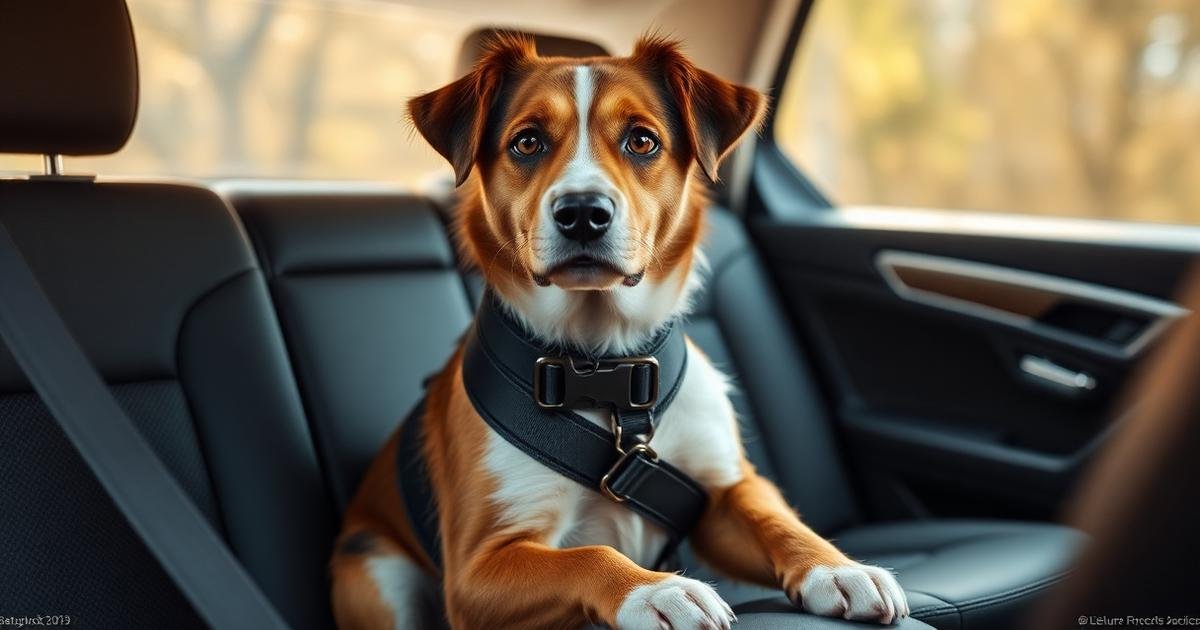
When you're driving with your dog, an unrestrained pet isn't just a distraction — it's a projectile in a crash. The best dog seat belt for car safety combines a crash tested buckle with a durable, padded harness that distributes force across your dog's chest, not their neck. For most medium to large dogs, a crash tested harness paired with a short, seat-belt locking tether is the safest choice. Small dogs under 20 pounds are better secured in a crash tested carrier that is itself belted in.
Best dog seat belt for car safety: The safest option is a crash-tested, full-body harness (like the Sleepypod Clickit or Kurgo Tru-Fit) paired with a seat belt tether that locks the harness buckle directly into your car's latch system. For dogs under 20 pounds, a crash-tested carrier that is itself seat-belted provides better protect
Quick Answer: What is the best dog seat belt for car safety?
The safest option is a crash-tested, full body harness (like the Sleepypod Clickit or Kurgo Tru-Fit) paired with a seat belt tether that locks the harness buckle directly into your car's latch system. For dogs under 20 pounds, a crash tested carrier that is itself seat belted provides better protection than any tether alone.
For a complete guide on this topic, see the Ultimate Guide To Dog Accessories.
Why a regular collar or clip on leash isn't safe for car travel
A standard collar attached to a seat belt clip is one of the most dangerous things you can use. In a 30-mph crash, a dog can be thrown forward with 20 times their body weight. That force on a collar can crush a dog's trachea or snap their neck.
Clip on tethers that attach to a harness are better than nothing, but they aren't crash-tested. They can break, detach, or allow your dog to move too far forward. The AVMA explicitly states that no restraint system is a substitute for a crash tested product — and the only way to know if a product has been tested is to check for certification from the Center for Pet Safety (CPS).
Pro Tip: Look for the CPS certification seal on best dog seat belt for car safety packaging. The Center for Pet Safety is a nonprofit that independently crash tests pet restraints. If a product doesn't mention CPS testing, it hasn't been tested in a real crash scenario.
Your dog's safety in the car isn't about convenience — it's about physics. A 60-pound dog in a 30-mph crash exerts roughly 1,200 pounds of force. That's enough to kill you, your dog, or both. Using the best dog seat belt for car safety isn't optional; it's the only responsible choice.
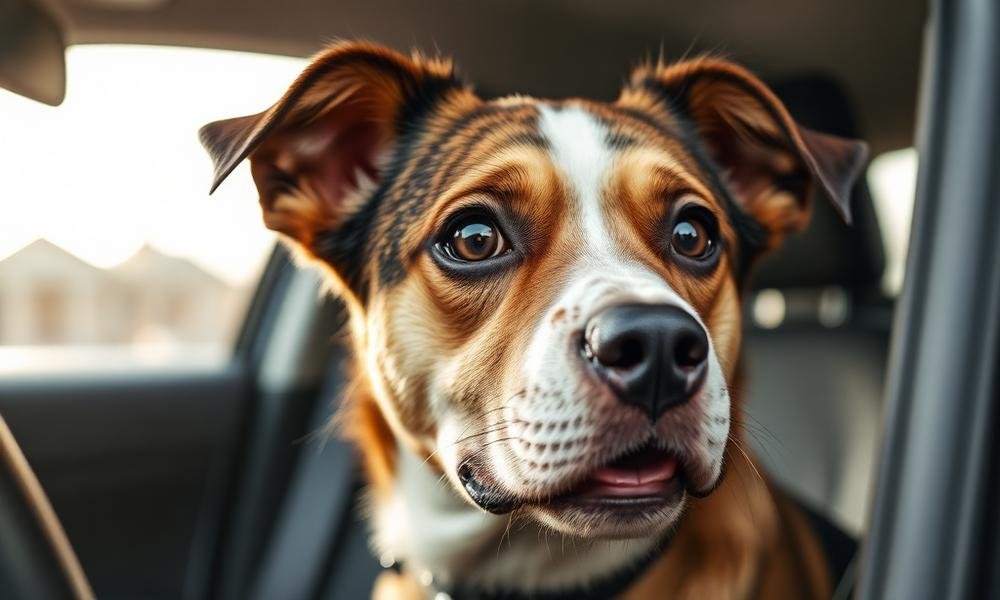
What to look for in a crash tested dog seat belt
Crash test certification from the Center for Pet Safety
Not all dog seat belts are created equal. The CPS has tested dozens of products since 2011, and only a handful pass. Products that fail commonly snap at the buckle, allow the dog to fly forward, or cause the harness to ride up into the dog's neck. Always confirm a product has passed CPS testing — not just that it's "tested" or "certified" by some other organization.
You can verify CPS certification at their official website. Products that have passed include the Sleepypod Clickit, the Ruffwear Load Up, and the Kurgo Tru Fit with the crash tested tether. These are the gold standard for the best dog seat belt for car safety.
Harness design: why the Y front matters
A crash safe harness must have a Y shaped front that sits between the shoulder blades, not a strap across the chest. A chest strap can compress the trachea during impact. The Y front design distributes crash forces across the dog's sternum and shoulders, which are built to handle pressure.
Look for a harness with at least 3 adjustment points — neck, chest, and belly. A poorly fitted harness can slip or allow your dog to escape. The harness should be snug enough that you can only fit two fingers underneath at any point.
Tether length and attachment method
The tether should be short — no longer than 12 inches. Any longer and your dog can reach the front seat, the floor, or the window. A short tether keeps your dog in their seat and prevents them from interfering with your driving.
There are two safe attachment methods. The first is a locking clip that clicks into your car's seat belt buckle, then locks when the belt is fully extended and retracted. The second is a LATCH system attachment that clips directly into the lower anchors in your back seat. Both are equally safe when properly used.
Pro Tip: Never attach a tether to a headrest. In a crash, the headrest can snap off. Always attach to the seat belt buckle or LATCH anchor in the back seat. The back seat is the safest place for your dog — airbags can kill a dog in the front seat.
Material quality and hardware
Look for a harness made from 1,500+ pound webbing — the same material used in climbing gear. The buckles should be metal, not plastic. Plastic buckles can shatter on impact. The stitching should be bar tacked at stress points, meaning multiple rows of reinforcement stitching.
Check the hardware regularly. If you see fraying webbing, cracked plastic, or rusted metal, replace best dog seat belt for car safety immediately. Even the best dog seat belt for car safety has a limited lifespan — typically 3-5 years with regular use.
How to choose the right seat belt for your dog's size and breed
Small dogs (under 20 pounds)
For small dogs, a crash tested carrier is safer than a harness and tether. Carriers from Sleepypod, Gunner, and PetEgo have passed CPS testing. The carrier itself must be belted in using the car's seat belt. Never put an unrestrained carrier in the car — it becomes a projectile.
Inside the carrier, your dog should be able to stand up and turn around. No loose toys or blankets that could become projectiles. Secure the carrier in the back seat, not the cargo area, unless you have a metal barrier.
Medium to large dogs (20–80 pounds)
This is where a crash tested harness and tether shine. The Sleepypod Clickit Sport or the Ruffwear Load Up are excellent choices. Both have Y front designs, metal hardware, and CPS certification. Make sure the harness fits your dog's specific body shape — deep chested breeds (like Boxers) need a different fit than barrel chested breeds (like Bulldogs).
For breeds with narrow chests (like Greyhounds or Whippets), look for a harness with a martingale style loop that tightens slightly to prevent slipping. The Kurgo Tru Fit has this feature and is a strong contender for the best dog seat belt for car safety for sighthounds.
Giant breeds (over 80 pounds)
Giant breeds present a unique challenge. Their sheer mass means even a crash tested harness may not be enough. The best option is a combination of a crash tested harness and a cargo barrier or crate. The Gunner Kennel G1 is the only crate that has passed CPS crash testing for dogs up to 105 pounds.
If you use a harness only, choose one with the highest weight rating available. The Sleepypod Clickit Terrain supports dogs up to 110 pounds. Always secure the tether to the seat belt buckle, not the LATCH anchor, which may have lower weight limits.
Pro Tip: Test the fit at home before your first car ride. Put the harness on your dog and let them wear it for 10-15 minutes. Check for rubbing under the armpits and behind the elbows. A harness that fits well at rest may still shift during a crash — it should be snug but not restrictive.
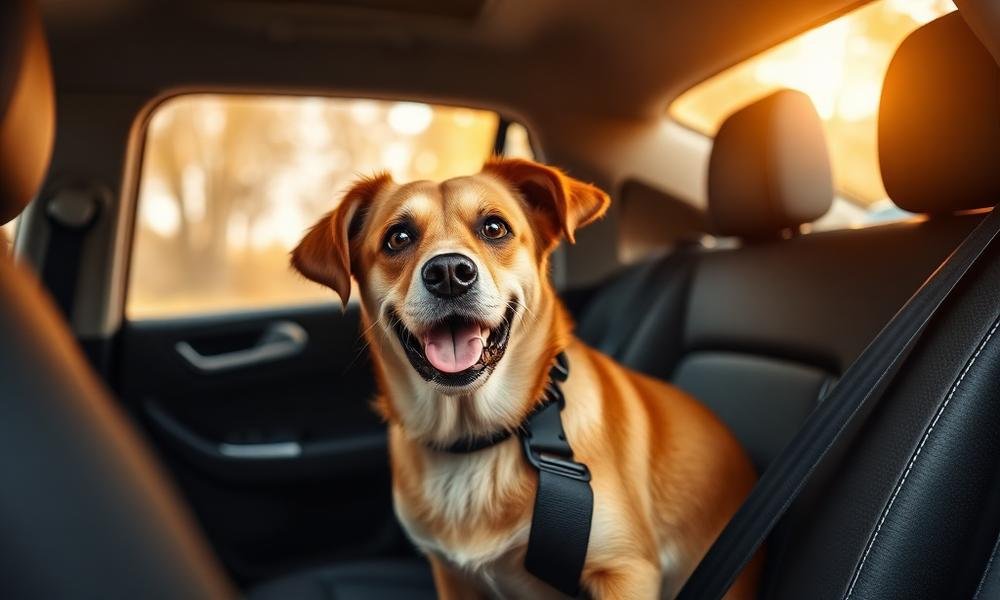
Comparison of the top crash tested dog seat belts
| CPS Certified | Weight Range | Best For | Tether Type | |
|---|---|---|---|---|
| Sleepypod Clickit Sport | 18–90 lbs | Overall best for most dogs | Seat belt buckle lock | |
| Ruffwear Load Up | 25–85 lbs | Adventure dogs, hiking | Carabiner with seat belt loop | |
| Kurgo Tru-Fit | Yes (with crash tether) | 10–90 lbs | Budget friendly option | Locking carabiner |
| Sleepypod Clickit Terrain | 25–110 lbs | Giant breeds | Dual connection (LATCH + buckle) | |
| Petsafe 3-in-1 | 10–70 lbs | Not recommended for crash safety | Clip on tether |
The Sleepypod Clickit Sport is the most consistently recommended product by the Center for Pet Safety and is widely considered the best dog seat belt for car safety for most dogs. It has the most adjustment points, the most durable hardware, and the most thorough crash testing. The Ruffwear Load Up is a close second, especially for active dogs who need a harness that doubles as a walking harness.
If you're on a budget, the Kurgo Tru Fit with the crash tested tether is a solid choice. Just make sure you buy the crash tested tether separately — the standard tether that comes with the harness has not been tested.
Ready to find the perfect restraint for your dog? Browse our full selection of crash tested harnesses and tethers.
Browse Dog Accessories →
How to properly install and use a dog seat belt
Step 1: Fit the harness correctly
Put the harness on your dog while they're standing. Adjust the neck strap so it sits high on the neck, just behind the ears. The chest strap should sit across the sternum, not the throat. The belly strap should be snug behind the elbows. You should be able to fit two fingers under any strap.
If the harness slides or twists when your dog moves, it's too loose. A loose harness can allow your dog to escape or can shift into a dangerous position during a crash. Re adjust until it stays in place.
Step 2: Secure the tether
Attach the tether to the harness's D ring on the back. Then secure the other end into your car's seat belt buckle. Pull the seat belt all the way out until it locks, then let it retract. You should hear a clicking sound as it locks into place. The tether should be short enough that your dog can sit or lie down but cannot reach the front seat.
For LATCH anchors, clip the tether directly into the lower anchors in your back seat. These are usually located between the seat back and seat cushion. Check your car's manual for exact locations.
Step 3: Test before you drive
With your dog secured, sit in the driver's seat and have someone else check best dog seat belt for car safety. Your dog should be able to lie down comfortably but not move more than 6-8 inches in any direction. If your dog can reach the front seat, the tether is too long.
Take a short test drive around the block. Watch your dog in the rearview mirror. They should not be able to stand up fully or turn around completely. If they can, adjust the tether length or choose a different harness.
Pro Tip: Practice at home before your first real trip. Let your dog get used to the harness and tether while the car is parked. Reward calm behavior with treats. This reduces anxiety and makes the first drive safer for everyone.
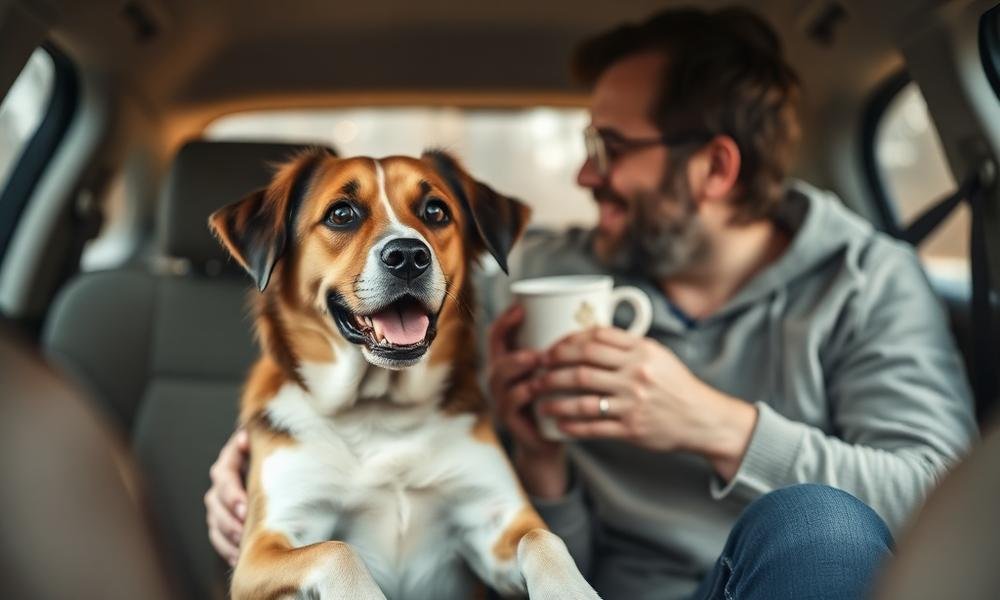
Common mistakes to avoid with dog seat belts
Using a clip on tether without a crash tested harness. Clip on tethers that attach to a collar are dangerous. They can choke your dog or break on impact. Always use a crash tested harness.
Letting your dog ride in the front seat. Airbags deploy with enough force to kill a dog. Even a small dog in a carrier is at risk. The back seat is always safer.
Using a harness that's too big. A harness that's too large can allow your dog to slip out during a crash. Follow the manufacturer's weight and measurement guidelines exactly.
Not replacing a worn harness. Webbing frays, buckles crack, and stitching loosens over time. Replace any harness that shows signs of wear, especially after a crash.
Assuming any harness is safe. Only CPS certified products have been tested in real crash scenarios. Products from major pet brands often fail testing. Always check for certification.
For broader reference and guidance, akc.org provides useful context on pet health and care decisions.
For broader reference and guidance, petmd.com provides useful context on pet health and care decisions.
Frequently Asked Questions
Can I use a regular walking harness for car travel?
No. Regular walking harnesses are not designed to withstand crash forces. They can break, stretch, or allow your dog to escape. Only use a crash tested harness specifically designed for car travel. A walking harness may feel secure but can fail catastrophically in a 30-mph collision.
Is it safe to use a dog seat belt with a puppy?
Yes, but choose a harness that fits the puppy's current size. Do not buy a larger size expecting the puppy to grow into it. A loose harness is dangerous. Expect to replace the harness every 2-4 months during the puppy's growth phase. The Sleepypod Clickit Sport is available in multiple sizes for growing dogs.
What is the safest place for my dog in the car?
The back seat, center position, is the safest. It's farthest from doors and side impact zones. If you have a cargo area, a crash tested crate secured with the seat belt is also safe. Never put your dog in the front seat — airbags can kill a dog instantly.
How do I know if a dog seat belt has been crash-tested?
Check for the Center for Pet Safety (CPS) certification seal on best dog seat belt for car safety packaging or website. CPS is an independent nonprofit that tests pet restraints. If a product doesn't mention CPS testing, it has not been tested in a real crash. Do not rely on manufacturer claims alone.
Can I use a dog seat belt with a car that has side airbags?
Yes, side airbags are safe for dogs in the back seat as long as the dog is properly restrained. The airbag deploys from the door or seat side, and a restrained dog in the center seat is well out of the deployment zone. Keep your dog away from the doors to avoid injury.
How often should I replace my dog's car harness?
Replace a crash tested harness every 3-5 years, or immediately after any car accident. Even if the harness looks fine, the webbing and stitching may have been weakened. Check the harness monthly for signs of fraying, cracking, or rust. Replace immediately if you see any damage.
Learn more in our detailed guide on best dog backpack for hiking.