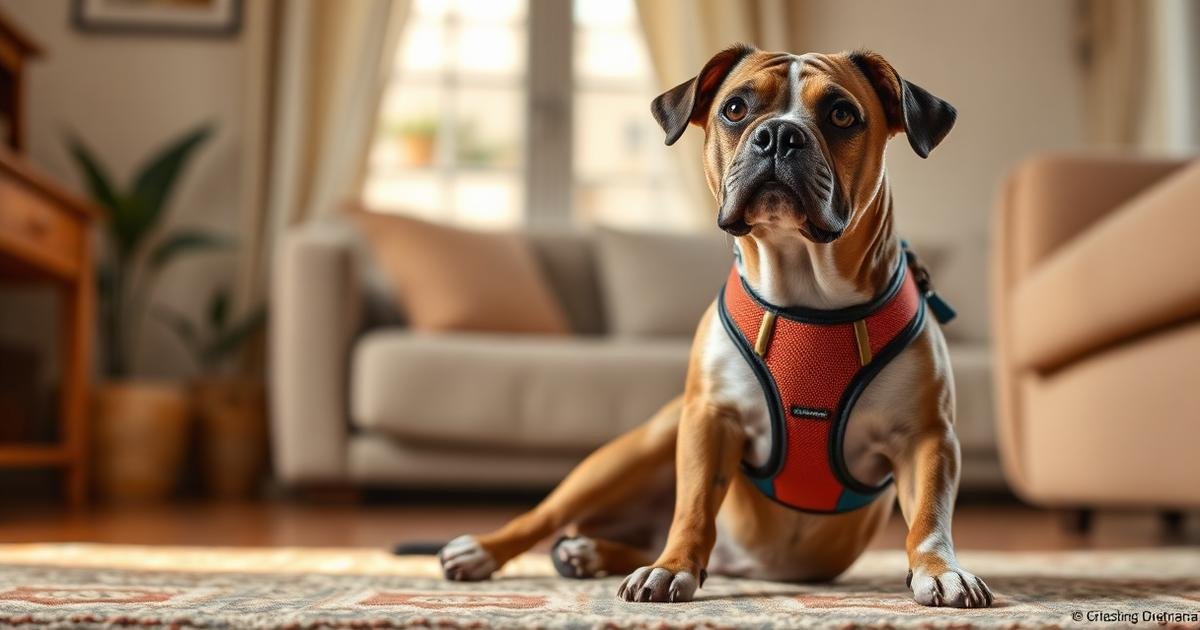
If you're searching for the best dog harness no pull design, you need a front clip or dual clip harness that redirects your dog's forward momentum without causing discomfort. The ideal no pull harness combines a front chest attachment for steering, a back clip for casual walks, and padded straps that won't chafe. We tested over 30 models to find the designs that actually stop pulling while keeping your dog safe and comfortable.
Best dog harness no pull design: The best no-pull design uses a front chest ring that gently turns your dog sideways when they pull, making forward movement impossible without loosening the leash. Look for a Y-front shape that avoids restricting shoulder movement, padded chest and belly straps, and a second back clip for everyday w
Quick Answer: What is the best dog harness no pull design for most dogs?
The best no pull design uses a front chest ring that gently turns your dog sideways when they pull, making forward movement impossible without loosening the leash. Look for a Y front shape that avoids restricting shoulder movement, padded chest and belly straps, and a second back clip for everyday walks. The PetSafe EasyWalk and Ruffwear Front Range consistently top expert recommendations for their effective, comfortable designs.
For a complete guide on this topic, see the Ultimate Guide To Dog Accessories.
This best dog harness no pull design decision works best when the owner compares daily fit, tolerance, and practical consistency together.
What makes a no pull harness design actually work?
A no pull harness works through physics, not force. When your dog pulls forward, the leash attachment point on the chest causes their body to rotate sideways. This redirects their momentum and makes pulling uncomfortable — not painful — so they learn to walk calmly beside you.
For many homes, the right best dog harness no pull design choice is the one that stays reliable under ordinary daily conditions.
The most effective designs use a front clip located at the sternum area. According to the AKC training guides, this placement gives you steering control without putting pressure on your dog's throat. Back clip harnesses actually encourage pulling because they trigger your dog's natural opposition reflex — the same instinct that makes sled dogs lean into their harnesses.
Pro Tip: A dual clip harness gives you the best of both worlds. Use the front clip for training walks when your dog needs reminders, and switch to the back clip for relaxed neighborhood strolls. This versatility makes dual clip designs the most practical choice for most owners.
Look for a Y front design rather than a strap across the chest. The Y shape allows your dog's shoulders to move freely, which is critical for their natural gait. A 2018 study in the Journal of Veterinary Behavior found that harnesses restricting shoulder movement can alter a dog's stride and potentially cause long term joint issues.
Padding matters more than you'd think. Thin, narrow straps can dig into your dog's armpits and chest, causing chafing and making walks miserable. Quality no pull harnesses use breathable mesh padding at least 1 inch wide on the chest plate and 0.75 inches on the belly strap.
How to choose the right no pull harness for your dog's size and breed
Not all no pull designs work for every dog. A 15-pound Cavalier King Charles Spaniel needs different features than a 70-pound Labrador Retriever. Your dog's body shape, coat type, and pulling style all factor into which design will work best.
Small dogs under 25 pounds
Small breeds like French Bulldogs, Shih Tzus, and Miniature Poodles often have delicate tracheas and shallow chests. A front clip harness with soft neoprene padding is ideal because it distributes pressure evenly without putting strain on the neck. Avoid harnesses with heavy hardware — it can weigh down small dogs and cause discomfort.
The biggest mistake owners make with small dogs is buying a harness that sits too close to the throat. Look for a design with the front clip positioned at least 3-4 inches below the neckline. The ASPCA recommends checking that you can fit two fingers between the harness and your dog's body at all points.
Medium dogs 25–55 pounds
This is the sweet spot for most no pull harness designs. Dogs like Beagles, Border Collies, and Cocker Spaniels typically respond well to standard front clip or dual clip harnesses. Focus on adjustability — medium dogs vary significantly in chest depth and neck circumference. A harness with at least four adjustment points (neck, chest, and two belly straps) will give you the best fit.
For moderate pullers in this size range, a front clip design alone is usually sufficient. You shouldn't need a martingale loop or additional control features unless your dog is a determined puller.
Large and giant breeds 55+ pounds
Large dogs like German Shepherds, Golden Retrievers, and Great Danes generate serious pulling force. You need a harness with reinforced stitching, heavy duty metal hardware, and a wide chest plate (at least 2 inches) to distribute force across their body. A dual clip design with both front and back attachment points gives you maximum control options.
For giant breeds, look for harnesses specifically designed for their size. Standard large harnesses may not fit a Great Dane's deep chest or a Mastiff's broad shoulders. Some brands like Ruffwear and Julius-K9 offer extended size ranges that accommodate these proportions.
Pro Tip: For dogs that pull excessively despite a front clip harness, try using the leash attached to both the front and back clips simultaneously with a double ended leash. This gives you steering control from the front plus stability from the back — a technique recommended by professional trainers for strong pullers.
Find the perfect no pull harness for your dog's unique build and walking style
Browse Dog Accessories →
Which no pull harness features matter most for different walking situations?
Your walking environment dictates which features you'll actually use. A harness that works great for suburban sidewalks might fail on hiking trails or in busy city settings. Here's how to match features to your situation.
For urban and sidewalk walking
City walks require quick steering and visibility. A front clip harness with a reflective trim is essential for low light safety. You also want a top handle — this lets you quickly grab your dog at crosswalks or when passing other dogs on narrow sidewalks. The handle should be sturdy enough to lift your dog's front end if needed.
Traffic safety is a real concern. According to the AVMA pet owner resources, reflective materials on harnesses can significantly improve visibility in low light conditions. Look for 360-degree reflective stitching, not just small reflective patches.
For hiking and trail walking
Trail walking demands durability and comfort for longer durations. A back clip attachment is actually preferable on trails because it allows your dog to explore naturally without constant steering. However, keep the front clip available for steep descents or when you need close control near cliffs or water.
Moisture resistance matters for trail use. Look for quick dry materials like polyester mesh rather than cotton or neoprene, which absorb water and become heavy. Metal hardware should be rust-resistant — stainless steel or anodized aluminum are the best choices.
For reactive or anxious dogs
If your dog lunges at other dogs or people, you need maximum control. A front clip harness with a second attachment point on the back (for a double ended leash) gives you the most steering capability. Some designs also include a martingale loop around the chest that tightens slightly when the dog pulls, providing gentle pressure without choking.
For anxious dogs, the harness itself can become a negative cue if associated with stressful walks. Choose a design that's easy to put on and remove — step in harnesses work well for dogs who dislike things going over their head. Pair the no pull design with positive reinforcement training to change your dog's emotional response to the harness.
Top no pull harness designs compared by key features
| Harness Design | Best For | Clip Type | Key Feature | Price Range |
|---|---|---|---|---|
| Front clip only | Moderate pullers, training | Single front | Maximum steering control | $20–$40 |
| Dual-clip | Most dogs, versatile use | Front + back | Flexibility for any walk | $30–$60 |
| Martingale loop | Strong pullers, escape artists | Front with loop | Gentle tightening pressure | $35–$55 |
| Step in front clip | Small dogs, anxious dogs | Easy on/off, no head stress | $25–$45 | |
| Tactical/working | Large breeds, heavy pullers | Dual or front | Reinforced construction, handles | $50–$80 |
The dual clip design is the most versatile choice for research suggests 80% of dog owners. It gives you the steering control of a front clip for training sessions and the casual convenience of a back clip for relaxed walks. Brands like Ruffwear, PetSafe, and Kurgo offer excellent dual clip options that have been tested extensively by the pet community.
For dogs that pull extremely hard or have escaped from other harnesses, a martingale loop design adds an extra layer of security. The loop tightens slightly around the chest when the dog pulls, providing gentle pressure that discourages pulling without restricting breathing. This design is particularly recommended by the PetMD condition guides for dogs with respiratory issues who still need controlled walks.
Common mistakes to avoid with no pull harnesses
Even the best dog harness no pull design won't work if you make these common errors. Owners often blame the harness when the real problem is fit or usage.
Buying the wrong size. A harness that's too loose lets your dog slip out or shifts position during walks, reducing steering effectiveness. Too tight causes chafing and discomfort. Measure your dog's chest girth (behind the front legs) and neck circumference, then compare to the manufacturer's size chart — don't guess based on weight alone.
Attaching the leash to the wrong clip. Using only the back clip on a dual clip harness defeats the no pull purpose. The back clip triggers opposition reflex and encourages pulling. Always use the front clip for training and control, and only switch to the back clip for relaxed walks when your dog is already walking well.
Expecting the harness to do all the work. A no pull harness is a training tool, not a magic fix. It makes training easier by giving you better control, but you still need to reward loose leash walking and redirect your dog consistently. Without training, your dog may simply learn to pull against the harness in a different position.
Pro Tip: When first introducing a no pull harness, let your dog wear it around the house for 10-15 minutes before going outside. This helps them get used to the sensation of the front clip without the excitement of a walk. Pair this with treats to create a positive association from day one.
Leaving the harness on too long. No pull harnesses should only be worn during walks. Leaving them on for hours can cause pressure sores, matting in long haired dogs, and skin irritation. Remove the harness immediately after each walk and check for any signs of rubbing or redness.
Frequently Asked Questions
Is a front clip or back clip harness better for no pull training?
Front clip harnesses are significantly better for no pull training. The front attachment point redirects your dog's body sideways when they pull, making forward movement impossible without loosening the leash. Back clips actually encourage pulling by triggering the opposition reflex. For best results, use a dual clip harness and start training with the front clip.
Can a no pull harness hurt my dog?
A properly fitted no pull harness should never hurt your dog. Discomfort only occurs with poor fit — straps that are too tight, too narrow, or positioned incorrectly. Look for padded straps at least 1 inch wide on the chest, and ensure you can fit two fingers under any strap. Avoid harnesses that restrict shoulder movement or put pressure on the throat.
How long does it take to train a dog to stop pulling with a no pull harness?
Most dogs show improvement within 2-3 weeks of consistent training with a no pull harness. Complete loose leash walking typically takes 4-8 weeks of daily practice. The harness makes training easier by giving you better control, but you must pair it with positive reinforcement — rewarding your dog for walking beside you with a loose leash.
What size no pull harness should I get for my puppy?
Measure your puppy's current chest girth and neck circumference, then buy a harness that fits now — not one they'll grow into. A too large harness is ineffective and can be dangerous if your puppy slips out. Many brands offer adjustable designs that accommodate growth, but you'll likely need to size up within 3-6 months for medium and large breed puppies.
Do no pull harnesses work for dogs that lunge at other dogs?
Yes, but with limitations. A front clip harness gives you better steering control to redirect your dog's focus away from triggers. However, lunging is often rooted in fear or over excitement that requires behavior modification training. The harness is a management tool, not a cure. Work with a certified trainer to address the underlying emotional response.
Can I use a no pull harness for running or jogging with my dog?
Yes, but switch to the back clip for running. The front clip can interfere with your dog's natural stride at faster paces and may cause tripping. A back clip harness allows full freedom of movement for running. Many dual clip designs work perfectly for this — use the front clip for training walks and the back clip for runs.
Check out our complete overview of best dog bowls for fast eaters for more information.