
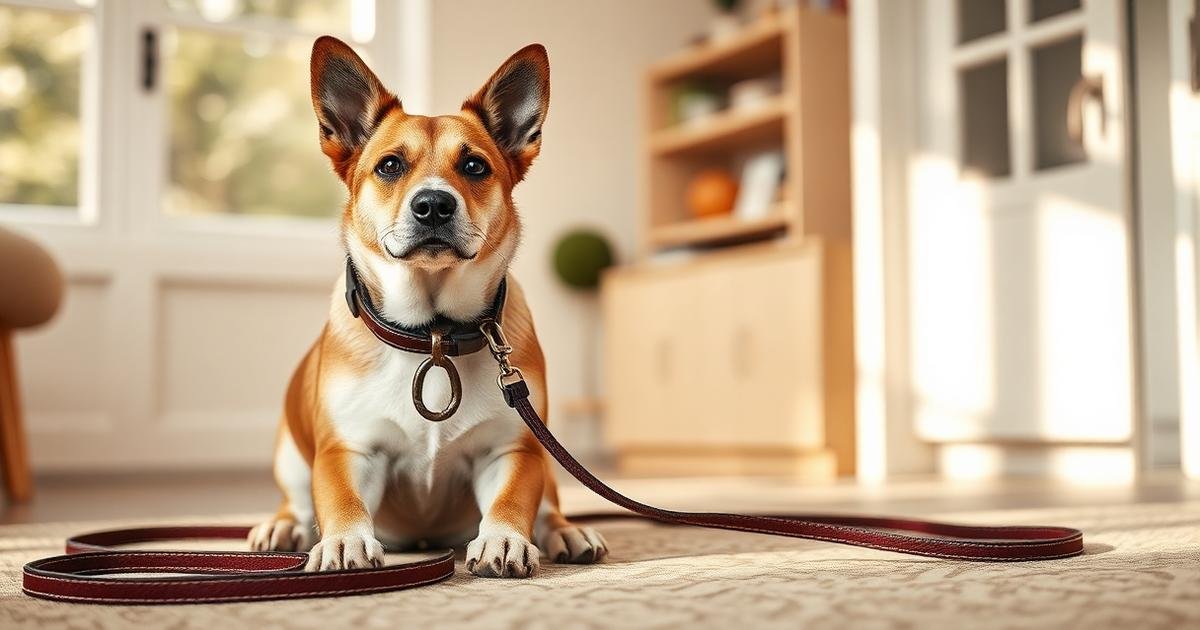
Finding the depends on your dog’s size, temperament, and training goals. For most owners, a 4- to 6-foot standard nylon or leather leash paired with a front clip harness offers the best balance of control, safety, and comfort for loose leash walking and basic obedience. This combination gives you reliable handling without encouraging pulling or neck strain.
Best dog training leash: The best dog training leash for general use is a 4- to 6-foot flat leash made of nylon or leather, paired with a front-clip no-pull harness. This setup provides consistent control for loose-leash walking, reduces pulling, and protects your dog’s neck. For specialized training, choose a 15- to 30-foo
Quick Answer: What Is the Best Dog Training Leash for Most Owners?
The best dog training leash for general use is a 4- to 6-foot flat leash made of nylon or leather, paired with a front clip no-pull harness. This setup provides consistent control for loose leash walking, reduces pulling, and protects your dog’s neck. For specialized training, choose a 15- to 30-foot long line for recall or a 6- to 8-foot slip lead for working breeds.
For a complete guide on this topic, see the Ultimate Guide To Dog Training.

What Are the 4 Main Types of Training Leashes?
Choosing the right leash starts with understanding the four primary types. Each serves a distinct training purpose, and using the wrong type can slow progress or create safety risks.
Standard Flat Leash (4–6 Feet)
This is the most versatile option for everyday obedience and loose leash walking. Nylon is lightweight and affordable, while leather offers better grip and durability over time. A 6-foot length gives your dog enough freedom to sniff while keeping them within control range.
Pro tip: Choose a leash with a padded handle if your dog pulls moderately. This reduces hand fatigue during longer training sessions and helps you maintain a steady grip.
Long Line (15–30 Feet)
A long line is essential for recall training in open areas. It allows your dog to explore at a distance while you maintain physical control. Biothane or nylon are common materials; biothane is easier to clean and won’t absorb odors.
Pro Tip: Always use a long line in a safe, enclosed area first. A 30-foot line can tangle easily, so practice with a 15-foot line until your dog understands the boundaries.
Slip Lead (6–8 Feet)
Slip leads combine collar and leash into one piece, tightening around the neck when the dog pulls. They are commonly used in professional training and for working breeds. Use only under supervision and never leave a slip lead on an unattended dog.
Hands Free Leash (Adjustable)
Hands free leashes wrap around your waist, ideal for jogging or multitasking during training. They typically include a bungee section to absorb sudden pulls, reducing impact on both you and your dog. Look for a leash with a quick release buckle for safety.
How Do You Choose the Right Leash Length for Your Training Goals?
Leash length directly affects how much freedom and control you have during training. A 4-foot leash offers maximum control for heeling and close quarters work, while a 6-foot leash is standard for general walks and loose leash training.
For recall training, a 15- to 30-foot long line is necessary. This length lets your dog practice coming back from a distance while you maintain a physical connection. Avoid retractable leashes for training—they teach dogs to pull against constant tension and can cause injuries.
Veterinarians at the American Kennel Club recommend fixed length leashes for training because they provide consistent feedback. Retractable leashes, by contrast, can confuse dogs about what “loose leash” means, making training less effective.
For puppies or small dogs, a shorter 4-foot leash helps prevent tangling and keeps them close during early training stages. Adult dogs that are already reliable walkers may do fine with a 6-foot leash, giving them a bit more room to explore.

Which Materials and Hardware Matter Most for Durability?
The material and hardware of your best dog training leash determine how long it lasts and how safe it is. Nylon is the most common choice—it’s strong, affordable, and available in many colors. However, it can fray over time and may cause rope burn if the dog pulls suddenly.
Leather is more durable and develops a comfortable grip with use. It’s also gentler on your hands during long sessions. Genuine leather leashes from reputable brands can last 5–10 years with proper care. Biothane is a synthetic alternative that is waterproof, odor-resistant, and easy to clean.
Hardware Quality
Look for a leash with a welded or solid brass clip. These resist rust and won’t break under pressure. Avoid leashes with stamped metal clips or plastic buckles—they are prone to failure, especially with strong pullers. A swivel clip at the attachment point prevents twisting and tangling.
Pro Tip: Check the clip regularly for signs of wear. If the spring feels loose or the clip doesn’t close fully, replace the leash immediately. A broken clip during a walk can lead to a lost dog.
The stitching on the leash is equally important. Double stitched or reinforced stitching at stress points—where the clip attaches and where the handle meets the body—adds significant strength. Single stitched leashes may fail under heavy pulling.
How Do You Match a Leash to Your Dog’s Size and Temperament?
A 50-pound Labrador retriever needs a different leash than a 10-pound Chihuahua. For dogs under 20 pounds, a 3/8-inch wide nylon leash is sufficient. For medium to large breeds, choose a 1-inch wide leash for better grip and strength.
For dogs that pull heavily, a leash with a traffic handle (a second loop near the clip) gives you close quarters control. This is especially useful near roads or in crowded areas. If your dog is reactive, combine a standard leash with a front clip harness to reduce pulling without causing discomfort.
According to the ASPCA, force free training tools like front clip harnesses and flat leashes are recommended over choke chains or prong collars. These tools reduce the risk of injury while still providing effective control during training.
For senior dogs or those with mobility issues, a lightweight leash with a padded handle can make walks more comfortable. Avoid heavy hardware that might weigh down a smaller or weaker dog. Always consider your dog’s physical condition when selecting a leash.
Ready to upgrade your training gear? Find the right leash and harness for your dog’s needs.
Browse Dog Training Options →

What Training Techniques Work Best With Your Leash Choice?
Even the best dog training leash won’t replace proper technique. Start with loose leash walking: hold the leash in a relaxed “J” shape, and reward your dog for walking beside you. If your dog pulls, stop moving and wait until the leash loosens before continuing.
For recall training using a long line, let the line drag behind your dog during practice. Call your dog’s name, then gently reel them in if they don’t respond. Reward with a high value treat immediately. Over 2–3 weeks, you can gradually reduce the line length as recall improves.
Using a Slip Lead Correctly
If you use a slip lead, make sure it sits high on the neck, just behind the ears. Never yank or jerk the leash—apply gentle, steady pressure. The slip lead should release immediately when the dog stops pulling. Practice in a low distraction environment first.
Pro Tip: Pair your leash with a treat pouch to keep rewards accessible. This speeds up reinforcement during training and keeps your hands free for leash management.
For dogs that are easily distracted, use the “look at me” command while on a 6-foot leash. Hold a treat near your eye, and when your dog makes eye contact, mark and reward. This builds focus and reduces pulling toward distractions.
How Do You Transition Between Different Leash Types During Training?
Transitioning between leash types should happen gradually to avoid confusing your dog. Start with a standard 6-foot flat leash for basic obedience, then introduce a long line for recall work once your dog reliably walks without pulling.
When moving from a flat leash to a slip lead, practice indoors first. Let your dog wear the slip lead loosely for short periods before applying any pressure. This helps them acclimate to the different feel around their neck.
For dogs that have mastered loose leash walking on a standard leash, a hands free leash can be introduced for jogging or hiking. Begin with short sessions of 5–10 minutes to make sure your dog understands the new setup. Always keep the leash attached to a harness, not a collar, for hands free use to prevent neck injuries.
If your dog regresses during a transition, go back to the previous leash type for a few sessions. Progress at your dog’s pace—rushing can create frustration for both of you. Most dogs adapt within 1–2 weeks when transitions are handled gradually.
What Are Common Mistakes to Avoid When Using a Training Leash?
One of the most frequent mistakes is using a leash that is too long for the training environment. A 30-foot long line in a busy park can become a tripping hazard or get tangled around other dogs and people. Always match the leash length to your location.
Another common error is holding the leash too tightly. Constant tension teaches your dog to pull against it, undermining loose leash training. Keep a relaxed grip and allow some slack when your dog is walking correctly.
Using a retractable leash for any training purpose is a mistake. The constant tension from the retraction mechanism reinforces pulling behavior. Also, the thin cord of retractable leashes can cause severe burns or cuts if it wraps around a person or dog.
Finally, avoid attaching a training leash to a collar with a dog that pulls. This puts pressure on the trachea and can cause injury over time. Always pair a training leash with a front clip harness for dogs that tend to pull.
How Do You Care for and Maintain Your Training Leash?
Proper maintenance extends the life of your best dog training leash significantly. For nylon leashes, hand wash with mild soap and warm water every 2–4 weeks, especially if they get muddy or slobbery. Air dry completely before storage to prevent mildew.
Leather leashes require more care. Clean with a damp cloth to remove dirt, then apply a leather conditioner every 2–3 months. Avoid submerging leather in water, as it can cause the material to stiffen and crack. Store leather leashes in a cool, dry place away from direct sunlight.
Biothane leashes are the easiest to maintain—simply rinse with water and wipe clean. They resist odors and stains, making them ideal for dogs that love water or mud. Check the stitching and clip on all leashes monthly, and replace any that show signs of fraying or rust.
Pro Tip: Rotate between two leashes if you train daily. This allows each leash to dry fully between uses and extends the overall lifespan of both.
Frequently Asked Questions
What is the best leash length for loose leash walking training?
A 4- to 6-foot flat leash works best for loose leash walking. This length gives you enough control to guide your dog without allowing too much slack, which can encourage pulling.
Can I use a retractable leash for training?
No, retractable leashes are not recommended for training. They teach dogs to pull against constant tension and can cause injuries. Stick with a fixed length leash for consistent feedback.
What material is most durable for a training leash?
Leather is the most durable material, lasting 5–10 years with proper care. Nylon is a strong, affordable alternative but may fray over time. Biothane is waterproof and easy to clean.
How do I stop my dog from pulling on the leash?
Use a front clip harness with a standard 6-foot leash. When your dog pulls, stop walking and wait for the leash to loosen. Reward with a treat when they return to your side. Practice daily for 10–15 minutes.
Is a slip lead safe for training?
Slip leads are safe when used correctly and under supervision. They should sit high on the neck and release immediately when the dog stops pulling. Never leave a slip lead on an unattended dog.
What leash do professional dog trainers recommend?
Most professional trainers recommend a 6-foot leather or nylon flat leash. For specialized work, they use 15- to 30-foot long lines for recall or slip leads for working breeds.
How often should I replace my dog’s training leash?
Replace nylon leashes every 6–12 months, or sooner if you see fraying or wear. Leather leashes can last 5–10 years. Check the clip and stitching monthly for signs of damage.
Can I use a hands free leash for training?
Yes, hands free leashes work well for jogging or multitasking. Choose one with a bungee section and quick release buckle. Use it only after your dog has mastered loose leash walking on a standard leash.
What width leash should I choose for a large breed dog?
For large breeds over 50 pounds, choose a 1-inch wide leash. This width distributes pressure evenly and provides a secure grip. Narrower leashes can dig into your hands during pulls.
Should I use a leash with a traffic handle?
A traffic handle is beneficial for dogs that pull heavily or need close control near roads. It gives you a second point of contact close to the collar or harness, allowing quick corrections.
For authoritative reference on canine health and care standards, the American Kennel Club (AKC) provides breed-specific guidance trusted by veterinary professionals. For health-related questions, PetMD offers veterinarian-reviewed information on symptoms and treatments.