
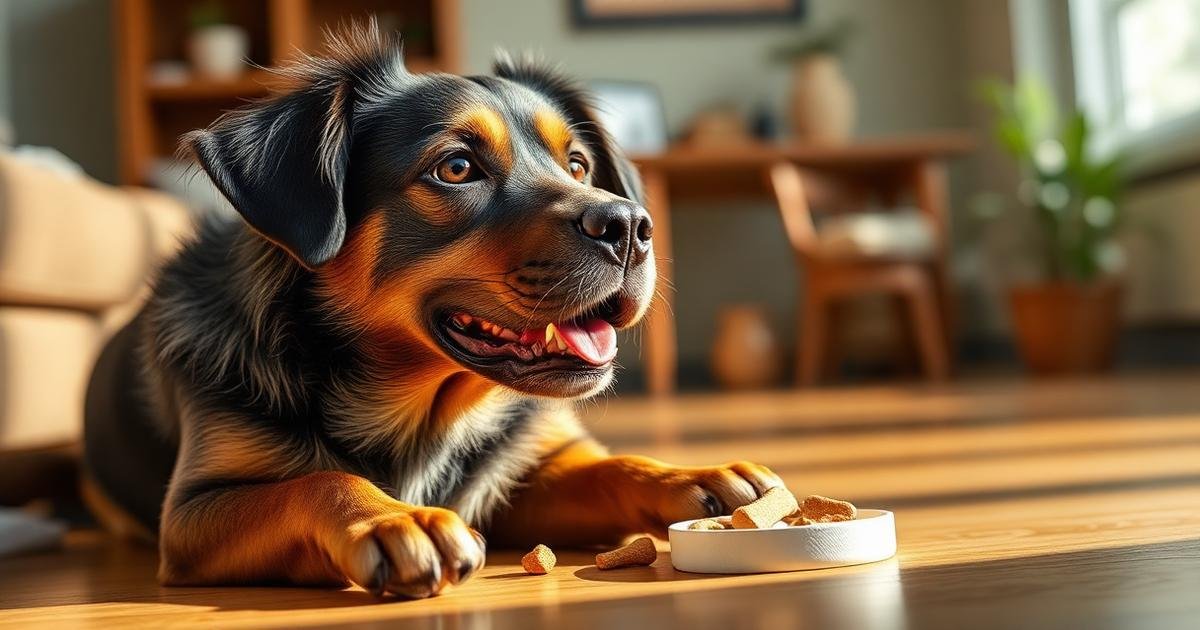
Picking the right training treats is all about finding something small, soft, and irresistible — but low in calories so you can reward your dog fast without blowing their daily kibble budget. For most sessions, freeze dried liver or those soft, moist training-specific bites are my go-to. They pack a ton of flavor into a tiny, single-serve size. The perfect treat? Something your dog would sell their soul for, fits in your pocket, and can be swallowed in under two seconds.
Best dog training treats: The best dog training treats are small, soft, and low-calorie options like freeze-dried liver, chicken, or commercial training bites (e.g., Zuke’s Mini Naturals or Blue Buffalo Blue Bits). These treats measure under 3–4 calories each, are easy to break into smaller pieces, and have a strong smell th
Quick Answer: What Are the Best Dog Training Treats for Most Dogs?
The best dog training treats are small, soft, and low calorie options like freeze dried liver, chicken, or commercial training bites (e.g., Zuke’s Mini Naturals or Blue Buffalo Blue Bits). These treats measure under 3–4 calories each, are easy to break into smaller pieces, and have a strong smell that keeps your dog focused. Avoid crumbly, hard, or large treats that slow down training sessions.
For a complete guide on this topic, see the Ultimate Guide To Dog Training.
Browse training tools and resources for your dog
Browse Dog Training Options →
What Makes a Treat “Best” for Dog Training?
The best dog training treats share three non negotiable qualities: small size, soft texture, and high value. A treat that is too large forces your dog to stop and chew, breaking the training rhythm. Soft treats (moist or freeze-dried) can be swallowed instantly, allowing you to deliver 15–20 rewards per minute during intense sessions.
Calorie density matters just as much. Most training treats should contain 2–5 calories per piece. If you are working on a new behavior for 10–15 minutes daily, you may use 30–50 treats per session. Low calorie options prevent weight gain while keeping your dog motivated. The AKC recommends factoring training treats into your dog’s total daily calorie intake to maintain a healthy weight.
High value treats are those your dog will work for even in distracting environments. For a dog that ignores kibble outdoors, a piece of freeze dried beef liver or string cheese might be the only thing that keeps their attention. You need at least two tiers of treats: low value for home practice and high value for public or outdoor training.
Pro Tip: Test treat value by offering it in your yard versus your living room. If your dog refuses it outside, it is not high value enough for real world training. Upgrade to freeze dried organ meats or boiled chicken for outdoor sessions.
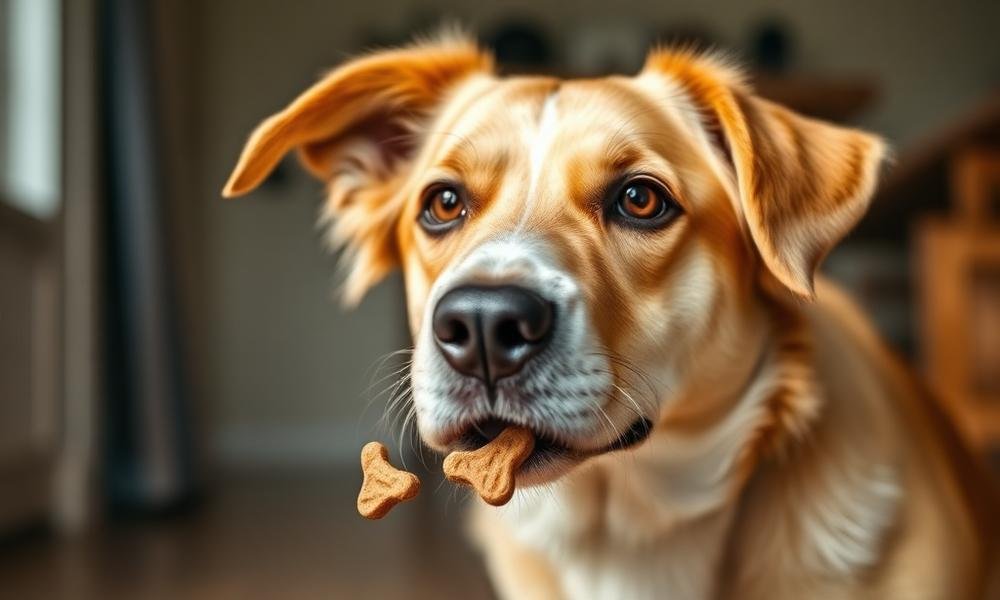
What Are the Top 5 Best Dog Training Treats on the Market?
These five options consistently rank highest among professional trainers and veterinarians for their size, palatability, and ingredient quality. Each has been evaluated based on calorie count, texture, ingredient transparency, and training performance.
1. Zuke’s Mini Naturals
Zuke’s Mini Naturals are arguably the most popular training treat on the market. Each treat is roughly the size of a pea, contains 3 calories, and has a soft, moist texture that dogs love. They come in flavors like chicken, peanut butter, and salmon, and are made with real meat as the first ingredient. Their small size makes them ideal for clicker training and shaping behaviors.
2. Blue Buffalo Blue Bits
Blue Buffalo Blue Bits are soft moist treats with real chicken as the first ingredient. They are free from corn, wheat, and soy, making them a good choice for dogs with mild food sensitivities. Each treat contains about 4 calories, and their square shape makes them easy to hold and break into smaller pieces. Many owners report that even picky dogs respond well to these.
3. Wellness Soft WellBites
Wellness Soft WellBites are larger than typical training treats, but they are scored so you can break them into 3–4 pieces. This makes them cost effective while still being soft and aromatic. They contain no artificial preservatives and include wholesome ingredients like lamb, chicken, or salmon. At roughly 10 calories per whole bite, breaking them into quarters gives you a 2.5-calorie reward.
4. PureBites Freeze Dried Liver
PureBites freeze dried liver treats contain a single ingredient: beef liver. They are extremely high-value, low-calorie (about 3 calories per piece), and have a strong smell that cuts through outdoor distractions. Because they are freeze-dried, they are shelf stable and easy to carry. These treats are excellent for recall training and proofing behaviors in high distraction environments.
5. Stewart Pro Treat Beef Liver
Stewart Pro Treat freeze-dried beef liver is another single ingredient option favored by trainers. These treats are slightly larger than PureBites but can be easily snapped in half. They are made in the USA and have no additives or fillers. Many dogs find these treats so motivating that they will work through frustration or confusion during complex training exercises.
Pro Tip: Rotate between 2–3 treat types during a single training session. Dogs can become bored with the same flavor after 5–10 minutes. Switching from chicken to liver to cheese keeps the value high and the learning consistent.
How Do You Choose Between Soft Treats, Freeze-Dried, and Human Food?
The decision between soft treats, freeze dried options, and human food depends on your training environment and goals. Soft treats (like Zuke’s or Blue Bits) are best for indoor or low distraction training because they are easy to handle and quick to eat. Freeze dried treats (like PureBites) excel outdoors or in group classes where smell and value matter most.
Human foods like boiled chicken, low fat cheese, or hot dog slices are extremely high value but require preparation and portion control. If you use human food, cut it into pea sized pieces and account for the calories in your dog’s daily diet. Many professional trainers carry a mix: soft treats for 80% of rewards and freeze dried or human food for the 20% of critical moments (e.g., first successful recall or ignoring a passing dog).
Ingredient quality matters, but it should not override training practicality. A treat with “organic” or “grain-free” labels is not automatically better for training if it is hard, crumbly, or too large. The best dog training treats prioritize function first and nutrition second, though ideally you find both.
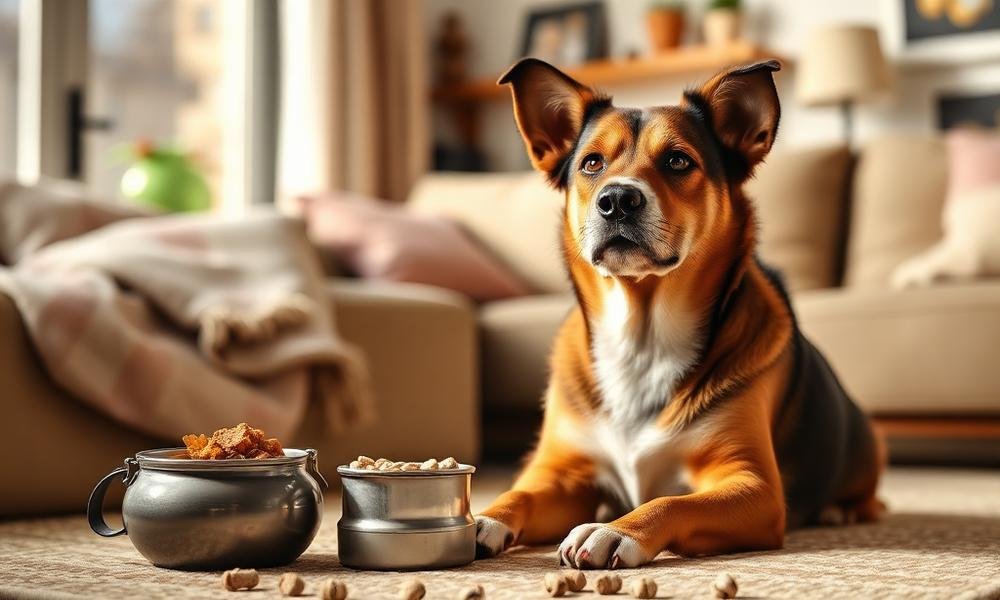
How Many Training Treats Can You Safely Give Per Day?
For a 30-pound dog, you can safely give 20–30 small training treats (2–3 calories each) per day without exceeding 10% of their daily caloric intake. That 10% rule is a standard recommendation from the American Veterinary Medical Association (AVMA) and should be followed to prevent obesity. If you use larger treats, reduce the number accordingly or break them into pieces.
If you are doing multiple short training sessions (e.g., 3 sessions of 5 minutes each), you can spread those treats across the day. Subtract the treat calories from your dog’s regular meals to maintain their weight. Many owners use their dog’s breakfast kibble as low value treats for simple behaviors like “sit” or “down,” reserving the high value treats for difficult behaviors like “stay” with distractions.
Puppies under 6 months old can handle fewer treats per session because their digestive systems are more sensitive. Stick to soft, single ingredient treats for puppies and limit sessions to 3–5 minutes to avoid overfeeding. Studies indicate that puppies trained with high value treats learn behaviors 2–3 times faster than those trained with kibble alone, but the treats must be accounted for in their total food intake.
What Treats Should You Avoid for Training?
Avoid hard, crunchy biscuits or dental chews during training. These take too long to chew and break the flow of a session. Also avoid treats that crumble easily, as the crumbs distract your dog and create a mess that can interfere with focus. Treats with artificial colors, excessive sugar, or high salt content should also be avoided because they offer no nutritional benefit and may cause digestive upset.
Rawhide and other chewy treats are dangerous for training because they pose a choking hazard when swallowed quickly. If you are using human food, avoid grapes, raisins, onions, garlic, chocolate, and xylitol containing products — all of which are toxic to dogs. Stick to plain cooked meats (chicken, turkey, beef) and low fat cheeses like mozzarella or cottage cheese.
Finally, avoid treats that are too large for your dog’s mouth. A treat that requires more than one bite to consume is too big. The best dog training treats are always small enough to be swallowed in a single gulp, allowing you to mark the behavior and reward in under two seconds.
Pro Tip: If you are using a clicker, the treat delivery must happen within one second of the click. Large or hard treats delay this reinforcement and weaken the clicker’s meaning. Always pre break treats into pea sized pieces before starting a session.

How Do You Store and Carry Training Treats on the Go?
Proper storage and carrying methods keep treats fresh, dry, and accessible during training sessions. Soft treats and freeze dried options should be stored in an airtight container at room temperature — never in direct sunlight or a hot car, as heat can melt soft treats or cause freeze dried ones to absorb moisture and spoil. For daily use, a treat pouch with a drawstring closure or a clip on bag that attaches to your belt or pocket is ideal, allowing you to grab treats without fumbling.
Moist treats, like Zuke’s or Blue Bits, can become sticky in warm weather. Carry them in a small silicone bag or a dedicated treat pouch with a waterproof lining to prevent residue on your hands or clothes. Freeze dried liver treats are more brittle and can crumble if crushed in a pocket, so store them in a hard sided container or a padded pouch. For long walks or multi session days, pack treats in a small cooler bag with an ice pack to maintain freshness, especially if you are using human food like boiled chicken or cheese.
Always wash your treat pouch or container weekly to prevent bacterial buildup from saliva and crumbs. A clean pouch also prevents cross contamination if you switch between treat types. For training in public spaces like parks or pet stores, carry only the number of treats you plan to use — typically 15–20 for a 10-minute session — to avoid overfeeding and reduce waste.
How Do You Phase Out Treats During Training?
Phasing out treats is essential for building a dog that responds reliably without constant food rewards. The process, known as variable reinforcement, involves gradually reducing the frequency of treat delivery while maintaining the behavior. Start by rewarding every correct response (continuous reinforcement) for the first 2–3 sessions, then shift to rewarding every second or third correct response over the next 1–2 weeks. Eventually, reward randomly — sometimes after one repetition, sometimes after five — so your dog never knows when a treat will come.
During this transition, pair treats with verbal praise (“good dog”) and physical affection (a scratch behind the ears) so those non food rewards gain value. For behaviors like “sit” or “down” that your dog knows well, you can phase out treats entirely within 3–4 weeks of consistent practice. For critical behaviors like recall or “leave it,” keep high value treats in rotation indefinitely — even a well trained dog may ignore a command in a dangerous situation if no reward is possible.
If your dog stops responding after you reduce treats, you moved too quickly. Go back to a higher treat frequency for 2–3 sessions before trying again. The goal is not to eliminate treats forever, but to make them unpredictable so your dog stays motivated even when treats are not visible. Studies in animal behavior suggest that variable reinforcement produces more durable learning than continuous reinforcement, meaning your dog will perform reliably even in your pocket is empty.
Pro Tip: Use a “jackpot” reward system — occasionally give 3–5 treats in rapid succession for an exceptionally good response. This unpredictability keeps your dog engaged and eager to work, even during the phase out period.
Frequently Asked Questions
Can I use my dog’s regular kibble as training treats?
Yes, but only for low distraction environments at home. Kibble is typically low value and may not hold your dog’s attention outdoors or around other dogs. If your dog ignores kibble, upgrade to soft training treats or freeze dried liver.
How many calories should each training treat have?
Each training treat should contain 2–5 calories. This allows you to give 20–30 treats per session without exceeding 10% of your dog’s daily calorie needs. Check the package label and break larger treats into smaller pieces if needed.
Are grain free treats better for training?
Not necessarily. The best dog training treats are defined by size, texture, and palatability — not by grain content. Some grain free treats are hard and crumbly, which makes them poor training tools. Choose soft, small treats regardless of grain status.
Can I use cheese or hot dogs for training?
Yes, but cut them into pea sized pieces and account for the calories. Low fat cheese (mozzarella) and boiled chicken are safer than high fat hot dogs. Limit human food treats to 10% of daily calories to prevent weight gain or digestive issues.
How do I know if a treat is high value for my dog?
Test it by offering the treat in a moderately distracting environment (e.g., a park with people walking by). If your dog ignores the treat to investigate the environment, it is not high-value. Upgrade to freeze dried liver, chicken, or cheese until your dog chooses the treat over distractions.
What is the best treat for puppy training?
Soft, single ingredient treats like freeze dried chicken or lamb are best for puppies. They are easy to digest, low in calories, and highly motivating. Avoid hard treats until your puppy has all their adult teeth, usually around 6 months of age.
Should I use different treats for different behaviors?
Yes. Use low value treats (kibble or soft training bites) for simple behaviors your dog already knows, like “sit.” Use high value treats (freeze dried liver or cheese) for difficult or new behaviors, for recall, or when training in high distraction environments.
Can training treats cause allergies?
Some dogs are sensitive to common proteins like chicken or beef. If your dog develops itching, ear infections, or loose stool after eating a new treat, switch to a novel protein like salmon, duck, or lamb. Single ingredient treats make it easier to identify allergens.
How long do opened training treats stay fresh?
Soft training treats typically stay fresh for 2–4 weeks after opening if stored in an airtight container. Freeze dried treats last 6–12 months in a sealed bag. Human food treats like boiled chicken should be refrigerated and used within 3–5 days.
Can I make homemade training treats?
Yes, homemade treats like baked chicken liver or dehydrated sweet potato slices work well. Make sure pieces are pea sized and low in fat. Avoid adding salt, sugar, or spices. Homemade treats are cost effective and allow you to control ingredients for dogs with allergies.
For authoritative reference on canine health and care standards, the American Kennel Club (AKC) provides breed-specific guidance trusted by veterinary professionals. For health-related questions, PetMD offers veterinarian-reviewed information on symptoms and treatments.