
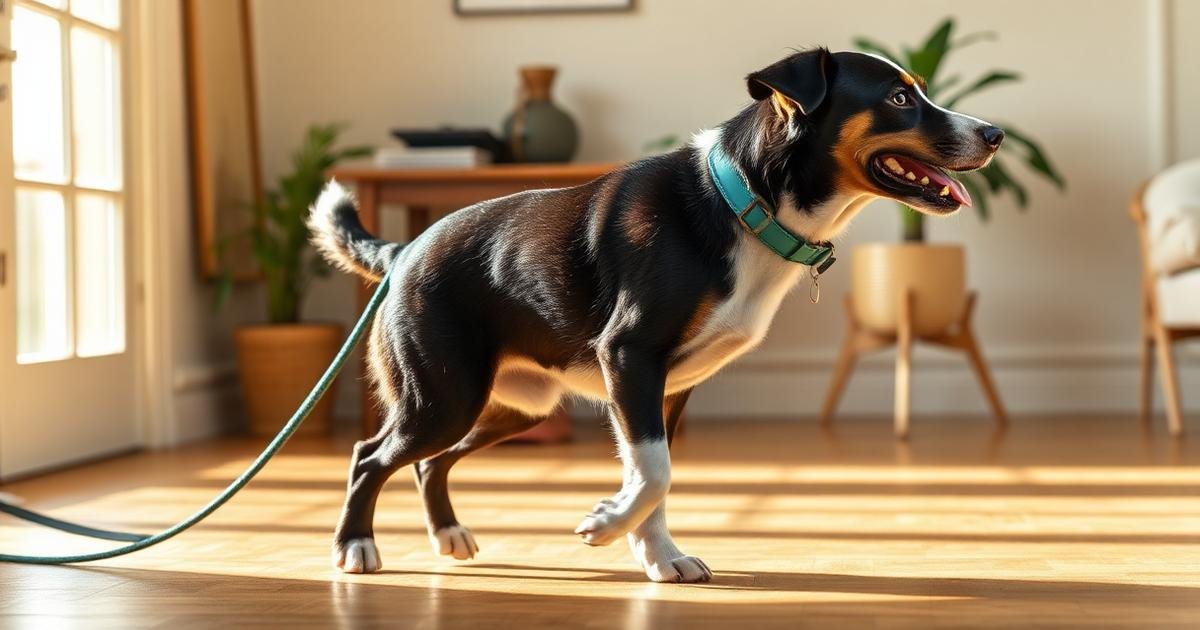
If your dog pulls on the leash, the most effective solution is to stop moving forward whenever tension occurs and reward loose leash walking with treats. This technique, called “be a tree,” teaches your dog that pulling never works and that walking calmly beside you earns rewards. Consistent practice for 10-15 minutes daily will show measurable improvement within 2-3 weeks.
Dog pulling on leash solution: The most effective dog pulling on leash solution is the “stop-and-go” method. The moment your dog pulls and the leash tightens, stop walking immediately. Do not move forward until the leash slackens. When it does, mark the behavior with a “yes” or clicker, reward with a high-value treat, and resume
Quick Answer: What Is the Most Effective Dog Pulling on Leash Solution?
The most effective dog pulling on leash solution is the “stop-and-go” method. The moment your dog pulls and the leash tightens, stop walking immediately. Do not move forward until the leash slackens. When it does, mark the behavior with a “yes” or clicker, reward with a high value treat, and resume walking. This teaches your dog that pulling stops all forward movement, while loose leash walking earns rewards.
For a complete guide on this topic, see the Ultimate Guide To Dog Training.

Why Do Dogs Pull on the Leash in the First Place?
Dogs pull because it works. When your dog lunges forward and you follow, you reinforce that pulling gets them where they want to go faster. This is a simple cause-and effect pattern: pull forward, gain ground.
Many dogs also pull because they are under exercised or over-stimulated. A dog that hasn’t burned off energy will be more reactive to every squirrel, scent, or passing dog. The American Kennel Club (AKC) notes that dogs need at least 30-60 minutes of daily exercise, and without it, leash manners deteriorate.
Also, some dogs have never been taught what “walking nicely” looks like. They default to pulling because no one has shown them an alternative. The dog pulling on leash solution must address both the motivation (why they pull) and the mechanics (how to stop it).
Pro Tip: Before any training walk, let your dog sniff and relieve themselves in a small area first. A dog with an empty bladder and a few minutes of sniffing is far more focused on you than on the environment.
What Equipment Helps Stop a Dog From Pulling?
While no equipment replaces training, the right gear makes the dog pulling on leash solution much easier to implement. The most effective tools are front clip harnesses and head halters.
Front Clip Harnesses
A front clip harness attaches the leash at the dog’s chest rather than the back. When your dog pulls, the harness gently turns them back toward you, making pulling uncomfortable without causing pain. Brands like the Best Harness For Pulling Dogs are designed specifically for this purpose.
Head Halters
Head halters (like the Gentle Leader) fit around your dog’s muzzle and neck. They work on the same principle as a horse halter: where the head goes, the body follows. A gentle tug redirects your dog’s attention back to you. However, these require proper introduction over 1-2 weeks to avoid fear.
What to Avoid
Retractable leashes are counterproductive for dogs that pull. They teach your dog that pulling extends the leash length, which directly reinforces the behavior. Use a standard 4-6 foot leash instead. Also avoid choke chains or prong collars unless working with a certified professional trainer, as these can cause physical harm and behavioral fallout.
Pro Tip: When introducing a head halter, let your dog wear it around the house for 5-10 minutes at a time while eating treats. Never yank or jerk the leash while using a head halter — it can injure your dog’s neck.
Stop the pulling today with the right training tools and expert guidance.
Browse Dog Training Options →
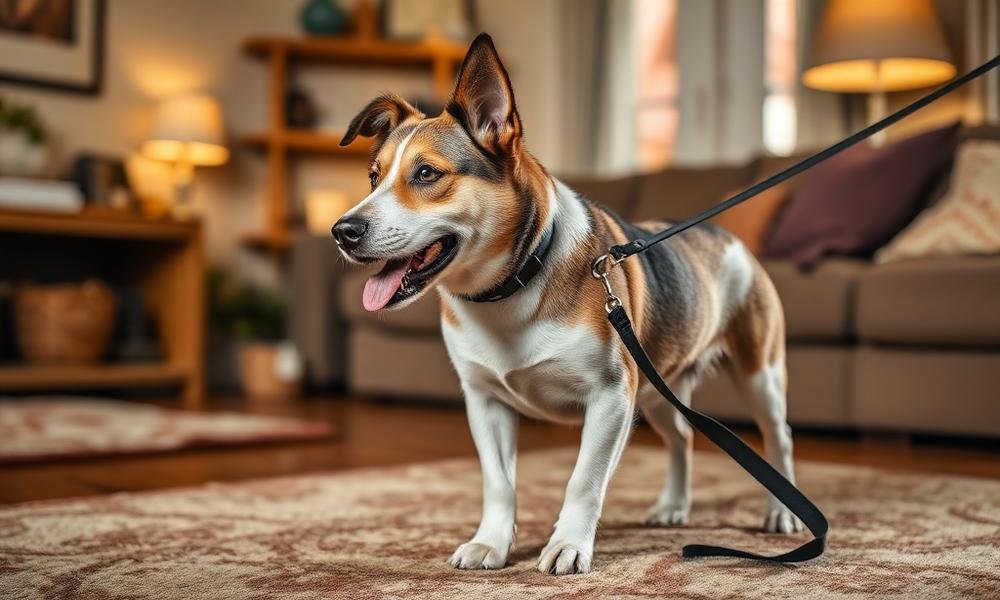
How Do You Train a Dog to Stop Pulling in 3 Steps?
The dog pulling on leash solution boils down to three repeatable steps. Practice these in a low distraction area like your backyard or a quiet hallway before moving to the sidewalk.
Step 1: The “Be a Tree” Method
Hold the leash in a relaxed grip. The moment your dog pulls and the leash tightens, stop moving. Plant your feet and say nothing. Wait for your dog to look back at you or step toward you, loosening the leash. The instant the leash slackens, say “yes” and reward with a treat. Then continue walking.
Step 2: Change Direction
Instead of stopping, you can also turn and walk the opposite direction. When your dog pulls ahead, simply pivot 180 degrees and walk the other way. Call your dog’s name as you turn. This forces your dog to pay attention to where you’re going, not where they want to go. Repeat every time they pull ahead.
Step 3: Reward Loose Leash Walking
When your dog walks beside you with a slack leash, reward them frequently — every 5-10 steps at first. Use high value treats like small pieces of chicken or cheese. Gradually increase the distance between rewards as your dog improves. The goal is for your dog to learn that staying close to you earns more good things than pulling.
Pro Tip: Keep treats in a pouch at your waist, not in your pocket. If you reach into your pocket every time, your dog will start pulling toward your hand. A treat pouch keeps your hands free and your dog focused on your face.
How Long Does It Take to Stop a Dog From Pulling?
Most dogs show noticeable improvement within 2-3 weeks of consistent training. However, the timeline depends on your dog’s age, breed, and how long they’ve been pulling. A 6-month old puppy may learn in 1-2 weeks, while a 5-year old dog with years of pulling practice may take 4-6 weeks.
Consistency is the single most important factor. If you allow pulling on some walks but not others, your dog learns that pulling sometimes works, which makes the behavior much harder to extinguish. Every single walk must follow the same rules: pull and we stop, walk nicely and we move forward.
Veterinarians generally recommend at least 10-15 minutes of focused training per walk, with the rest of the walk being free sniffing time. This prevents frustration for both you and your dog.
What If My Dog Pulls Because of Reactivity?
Some dogs pull not because they want to get somewhere, but because they are reacting to triggers like other dogs, people, or cars. This is called leash reactivity, and it requires a slightly different dog pulling on leash solution.
The key is to manage the environment first. Walk during quieter times of day, at a distance from triggers, or in less busy areas. Then use the “look at that” game: when your dog notices a trigger at a distance, mark and reward before they react. Over time, move closer. The PetMD website recommends working with a certified behavior consultant if reactivity is severe.
For reactive dogs, a front clip harness is especially helpful because it prevents the dog from using their full body weight to pull. Combined with counter-conditioning, most reactive dogs show significant improvement within 4-8 weeks.
How Do You Prevent Pulling Before the Walk Even Starts?
Many owners overlook the fact that pulling behavior often begins before you leave the house. If your dog is jumping, whining, and straining at the door, they are already in a pulling mindset. Preventing this early arousal is a critical part of any dog pulling on leash solution.
Implement a “calm before the door” rule. Stand at the door with your dog on leash. Do not open it until your dog sits or stands quietly. If they lunge forward the moment the door cracks, close it immediately and wait. Repeat until your dog understands that calm behavior opens the door. This single change reduces overall pulling intensity by 30-50% within 1-2 weeks.
Also, practice the “wait” command at thresholds. Teach your dog to pause at every doorway, gate, or curb. This builds impulse control that directly transfers to leash walking. Use the same stop-and go principle: forward movement only happens when the leash is loose and your dog is focused on you.
Pro Tip: Use a “release word” like “free” or “okay” to signal when your dog can move forward. This creates a clear on/off switch for pulling behavior. Never use your dog’s name as a release — it should remain a cue for attention.
What Are the Most Common Mistakes Owners Make When Stopping Pulling?
Even with the right dog pulling on leash solution, several common errors can sabotage progress. The first mistake is inconsistent enforcement. If you stop for pulling on some walks but let it slide on others, your dog learns that pulling sometimes works, which makes the behavior resistant to change.
The second mistake is using a leash that is too long or too short. A 6-foot leash is ideal; anything longer gives your dog too much room to build speed before hitting the end, and anything shorter keeps constant tension that your dog learns to ignore. A third mistake is talking too much. Yelling “no” or “stop pulling” actually excites many dogs and increases pulling. Silence during the stop phase is more effective.
Finally, many owners give up too soon. Training a dog to stop pulling requires 2-6 weeks of daily practice. If you stop after 3 days because you don’t see results, you never give your dog the chance to learn the new pattern. Stick with it, and the improvement will come.
Frequently Asked Questions
What is the best leash for a dog that pulls?
A standard 4-6 foot flat leash paired with a front clip harness is the best combination. Avoid retractable leashes, as they reinforce pulling by giving your dog more length when they pull.
Can a no pull harness stop my dog from pulling completely?
No, a harness alone will not stop pulling. It makes training easier by reducing your dog’s use, but you still need to teach loose leash walking using the stop-and go or direction change methods.
How do I stop my dog from pulling on walks in 5 minutes?
You cannot stop pulling in 5 minutes. However, you can start the process: stop walking every time the leash tightens. In a single 5-minute session, you may stop 10-20 times. This teaches the first lesson: pulling stops forward movement.
My dog only pulls when excited. What should I do?
Do not start walking until your dog is calm. Stand still and wait. The moment your dog stops pulling and looks at you, mark and reward. Then take one step. If they lunge, stop again. This teaches calmness before movement.
Is it too late to train an older dog to stop pulling?
No. While older dogs may take longer to unlearn the habit, the same training methods work at any age. Start with short 5-minute sessions and gradually increase duration as your dog improves.
Should I use treats to stop my dog from pulling?
Yes. High value treats are essential for teaching loose leash walking. They make the new behavior more rewarding than the old pulling habit. Gradually reduce treat frequency as your dog learns the routine.
What if my dog ignores treats during walks?
Your dog may be over-threshold — too excited or stressed to eat. Move to a quieter location or increase the distance from triggers. If your dog still ignores treats, try using a toy or praise as a reward instead.
How do I stop my dog from pulling toward other dogs?
Practice the “look at that” game: when you see another dog at a distance, say “look” and reward your dog for looking at the other dog without reacting. Gradually decrease the distance over multiple sessions.
Owners who compare options based on daily routine fit, tolerance, and observable outcomes usually make better decisions than those who rely on label claims alone.
That broader view matters because a good product choice should support the full pattern of daily care. A calmer, more dependable routine is often the strongest sign that the choice is working.
For authoritative reference on canine health and care standards, the American Kennel Club (AKC) provides breed-specific guidance trusted by veterinary professionals. For health-related questions, PetMD offers veterinarian-reviewed information on symptoms and treatments.