
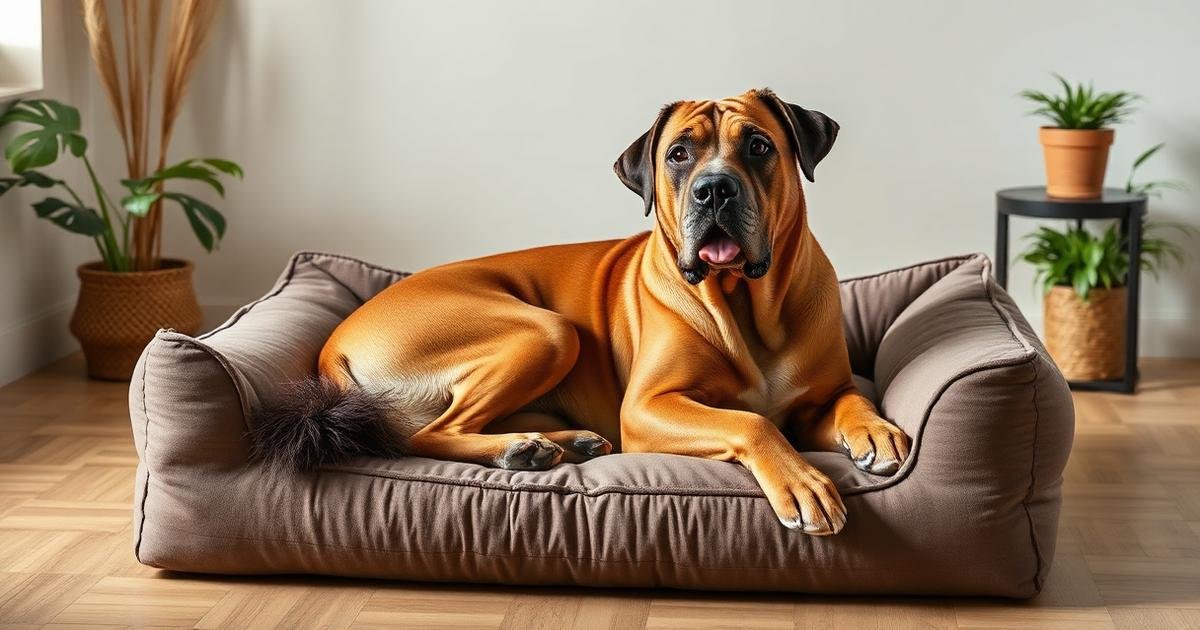
Large breeds need more than extra floor space. A well-chosen bed has to support a heavier frame, stay comfortable over time, and fit the dog’s real sleep habits.
Owners usually get better results when they compare support, usable space, edge stability, cooling, and cleaning practicality together. That is what turns a promising option into a bed the dog actually keeps using.
Browse dog bed options built for real daily comfort
Browse Dog Beds →
Quick Answer
The best dog bed for large breed dogs gives bigger dogs enough room to stretch, enough support to stay comfortable, and enough durability to handle daily use without flattening too quickly.
Look for a bed that matches body size, sleeping style, room temperature, and cleaning needs. If a bigger dog sprawls, overheats, or leans hard into edges, those details matter more than marketing labels.
For the broader decision framework, Ultimate Guide to Dog Beds explains how bed type, materials, and placement affect comfort over time.

Why the Best Dog Bed for Large Breed Dogs Needs More Than Size Alone
Many owners assume the right choice is simply the bed with the biggest measurements. In reality, larger dogs also need enough structure to support shoulders, hips, and spine without collapsing too quickly.
A heavier dog puts more stress on seams, filling, and edge support. A roomy surface helps, but long-term comfort depends just as much on shape retention and stable construction.
When owners focus only on dimensions, they often miss the features that matter most in daily use. The bed still needs to feel steady when the dog climbs on, turns around, stretches out, and settles for a long rest.
What to Prioritize Before Buying
Support should come first
Dependable support should come first. If the surface sinks too deeply or loses structure too fast, the dog may avoid the bed or struggle to settle comfortably.
Usable sleeping space matters more than label size
The bed should give the dog enough clear surface area to stretch out naturally. Some dogs curl up, but many larger breeds sprawl, lean on the edge, or change position often through the night.
Cooling and cleanability still matter
The bed should not trap heat or become difficult to maintain. Owners often get better long-term value when a bed combines supportive fill with an easier-to-clean cover and a surface that stays more breathable.
For extra comparison points, owners may also want to review best orthopedic dog bed, best waterproof dog bed for indoor use, and best cooling dog bed.

A useful shortcut is to compare how the right bed for bigger dogs performs after several normal naps, not just after the first impression.
How to Judge Real Comfort and Durability
A good bed should stay comfortable after normal daily use, not just on day one. Owners should watch whether the dog settles quickly, stays supported while lying down, and keeps returning to the bed without hesitation.
Durability matters because a bed that looks plush at first may flatten quickly under a heavier body. The better choices keep enough loft, shape, and edge stability to remain useful over time.
It also helps to compare the bed to the room where it will actually live. The setup should fit both the dog and the environment, especially if the floor is slippery, the room runs warm, or cleanup needs to stay simple.
Pro Tip: The right choice often becomes obvious when the dog keeps using it willingly for normal naps, not just during the first day of novelty.
Owners often narrow the options faster when they compare edge support, sleeping space, and cleanability side by side.
Common Mistakes Owners Make
One mistake is buying by marketing label alone. Product labels can be useful, but they do not tell owners whether the bed really supports a heavier dog well enough in everyday life.
Another mistake is ignoring existing rest problems. If a dog already avoids the bed, overheats easily, or slides off unstable surfaces, the next bed should solve that real issue instead of repeating the same setup with slightly different materials.
Owners also underestimate maintenance. A practical bed should be easy to clean, easy to place well, and durable enough that it does not become another frustrating replacement within a short time.
Pro Tip: If two beds seem similar, choose the one that better balances support, washable materials, and stable construction for a heavier frame.
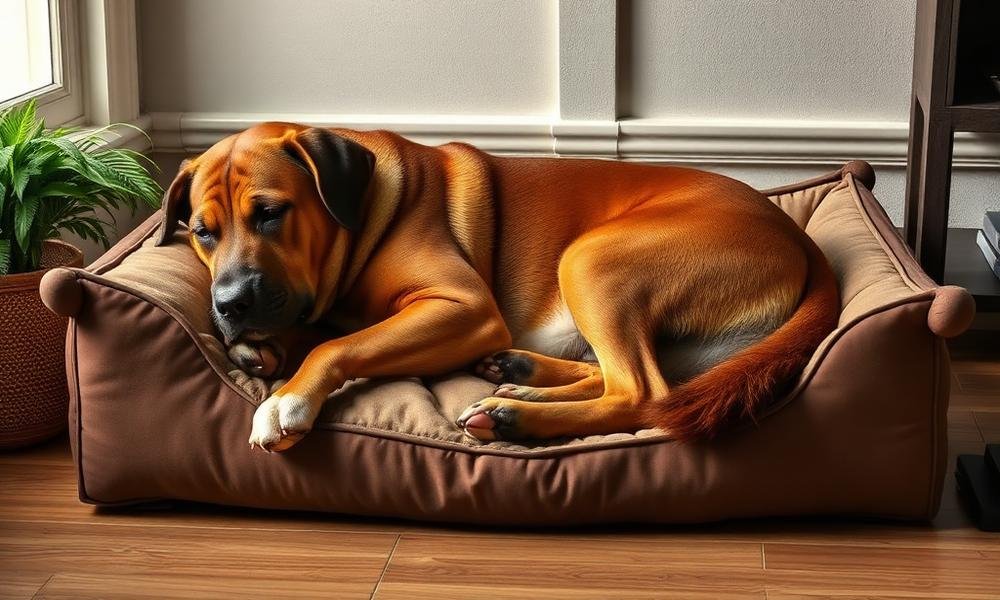
In practical terms, a durable dog bed for heavy dogs should keep a heavier dog supported without becoming hot, flat, or awkward to maintain.
How to Choose the Best Dog Bed for Large Breed Dogs for Your Home
The bed should match the dog’s actual sleeping pattern. Dogs that stretch flat need different surface space than dogs that curl tightly or lean heavily into raised edges.
The bed should also match the home routine. If the bed needs frequent washing, stays in a warm room, or gets used on a hard floor, those factors change which materials make the most sense.
In many homes, the right option balances supportive filling, enough room for full-body rest, cooler fabric, and easier long-term upkeep. That is usually more important than choosing the most expensive option.
Helpful problem-solving references include dog bed keeps sliding on floor, dog refuses to sleep in bed, how to clean dog bed properly, when should you replace dog bed, and why dog bed smells so bad.
For homes with bigger breeds, the stronger option usually stands out because it stays comfortable and usable under everyday wear.
Actionable Recommendation
Start by measuring how your dog really sleeps, then compare support, usable surface area, cooling, durability, and cleaning ease in that order. The final choice should feel stable, roomy, and comfortable enough that the dog keeps choosing it naturally.
If a current bed already feels too flat, too hot, or too small for full-body rest, use those problems as decision filters. That usually leads owners to a better choice faster than shopping by label or appearance alone.
For broader reference context, guidance from akc.org can help support more grounded decision-making.
When care, comfort, or behavior concerns overlap with health questions, reference material from petmd.com can add useful context.
When two products seem close, the this bed is usually the one that holds shape better and suits the dog’s real sleep style.
How Sleep Style Changes the Right Bed Choice
Some large dogs sleep stretched out with their legs extended, while others curl up tightly or lean into raised edges. That difference changes how much usable space the bed needs and whether bolstered sides help or get in the way.
Dogs that sprawl usually need a wider open surface that lets the body settle naturally without hanging off the edge. Dogs that curl may do well with a slightly more enclosed shape, but even then the bed still needs enough support to keep heavier joints comfortable.
Watching how the dog already rests on the floor, sofa, or current bed is often more useful than trusting the product label alone. Real sleep behavior gives owners better clues about shape, depth, and edge design than packaging language ever will.
Another useful detail is how often the dog changes position through the night. A restless dog may need more stable support and more room to shift without losing comfort every time the body turns.
When owners match bed shape to sleep style early, they usually avoid the common mistake of buying something technically large enough but practically awkward for the dog.
Floor Type, Room Temperature, and Daily Setup Matter More Than Many Owners Expect
A good bed can still feel wrong if the room setup works against it. Hard floors, slippery surfaces, warm rooms, and high-traffic placements all affect whether the dog actually settles well.
On tile or hardwood, support and underside grip often matter more because the bed has less natural cushioning underneath it. In warmer rooms, breathable fabric and better airflow can matter just as much as plushness.
Placement also matters. Some large dogs rest better in a quieter corner with fewer interruptions, while others prefer to stay close to the owner during the day and the evening routine. A bed that fits the room poorly may be ignored even if the materials are otherwise good.
Owners should think about where the bed will live before judging the product itself. Daily context often decides whether a bed becomes part of the routine or just another object taking up space.
That practical setup is one of the easiest ways to improve results without spending more money than necessary.
What Durability Really Looks Like in Everyday Use
Durability is not just about whether the cover survives a few washes. For larger dogs, it also means whether the bed keeps enough support under repeated pressure and whether the seams, stitching, and edges stay dependable with daily use.
A bed may look thick when it first arrives but lose comfort quickly if the filling compresses too fast. That kind of early flattening often shows up as reluctance, shifting, or the dog returning to the floor instead.
Owners should also pay attention to how the bed recovers after long rests. A stronger build usually bounces back more evenly and keeps the surface from becoming lumpy or uneven over time.
In homes with heavier breeds, durability also includes how easy the bed is to clean without the structure falling apart. A washable cover matters, but so does whether the insert continues to feel stable after regular maintenance.
The most useful test is simple: after normal use, does the bed still feel supportive enough that the dog chooses it without hesitation?
How to Compare Beds Without Getting Lost in Marketing
Large-breed products are often sold with sweeping promises about orthopedic support, cooling materials, washable convenience, or premium construction. Those claims can be useful starting points, but they rarely answer the practical question of whether the bed fits your dog well.
A clearer way to compare options is to rank them by a few simple priorities: support, usable surface space, temperature comfort, cleaning ease, and expected wear. That makes it easier to compare real-world tradeoffs instead of reacting to whichever phrase sounds most impressive.
It also helps to write down the current problem before buying. If the issue is flattening, poor support matters most. If the issue is heat, breathable material matters more. If the issue is mess or odor, maintenance becomes a bigger part of the decision.
That kind of comparison keeps the process grounded. It helps owners choose with purpose instead of hoping one broad marketing term covers every need at once.
For large dogs especially, clear comparison beats flashy positioning almost every time.
Signs the Current Bed Is No Longer Good Enough
Many owners wait too long to replace a bed because it still looks acceptable from across the room. Dogs often show the problem sooner through behavior than the fabric shows it visually.
If a dog hesitates before lying down, circles repeatedly, leaves the bed after a short rest, or starts preferring the floor again, those patterns can point to comfort loss. Flattening, trapped heat, unstable edges, or lingering odor often show up this way first.
Another sign is when the bed becomes harder to keep clean or starts feeling uneven after washing. Large dogs put more stress on the bed, so these changes can happen gradually and be easy to overlook.
Owners should also notice whether the dog uses the bed at all times of day or only occasionally. A bed that works well usually gets chosen naturally for naps, nighttime rest, and quiet downtime.
When use drops off consistently, it is usually worth reassessing the bed instead of assuming the dog simply changed preferences for no reason.
How Owners Can Make a Better Final Decision
The strongest final decision usually comes from matching the bed to the dog’s size, sleep style, room setup, and maintenance needs all at once. When one of those elements is ignored, the bed may still look good on paper but fail in everyday life.
It helps to think in terms of tradeoffs rather than perfection. One bed may clean more easily, another may support better, and another may feel cooler in a warm room. The right choice depends on which factor matters most in your home.
Owners often make better decisions when they compare two or three realistic options instead of jumping between too many products. A smaller comparison set makes differences in comfort, support, and upkeep easier to judge.
The final goal is not just to buy a bed that sounds appropriate. It is to choose one that the dog keeps using comfortably, that the owner can maintain without frustration, and that still feels reliable after ordinary daily wear.
That is usually what separates a smart purchase from a short-lived fix.
FAQ: Best Dog Bed for Large Breed Dogs
What matters most when choosing the best dog bed for large breed dogs?
Support, enough sleeping space, durability, and practical day-to-day use matter most. Owners usually get the best results when they compare those factors together instead of choosing by size label alone.
How do you know if a bed is supportive enough?
A supportive bed should keep the dog comfortable without flattening too quickly or letting the body sink awkwardly. A supportive bed usually helps the dog settle faster and rest more comfortably over time.
Does cooling matter for bigger dogs?
Yes. The bed should stay comfortable in the dog’s real environment, especially if the room runs warm or the dog overheats easily. Breathable materials can make a noticeable difference in daily comfort.
How often should owners replace a large dog bed?
Replace it when the bed loses support, keeps odors too easily, develops unstable edges, or no longer feels comfortable enough for regular use. Replacement timing depends on both build quality and how heavily the bed gets used.
Is a washable cover important?
Yes. A washable cover usually makes the bed easier to live with. Easier maintenance helps the bed stay usable and inviting longer.
What is the safest buying strategy?
The safest option usually matches the dog’s body size, sleeping style, and the owner’s daily routine most closely. Owners usually make stronger decisions when they focus on real comfort and long-term practicality.
That is why the final choice should be judged by long-term comfort, support, and routine fit instead of size alone.