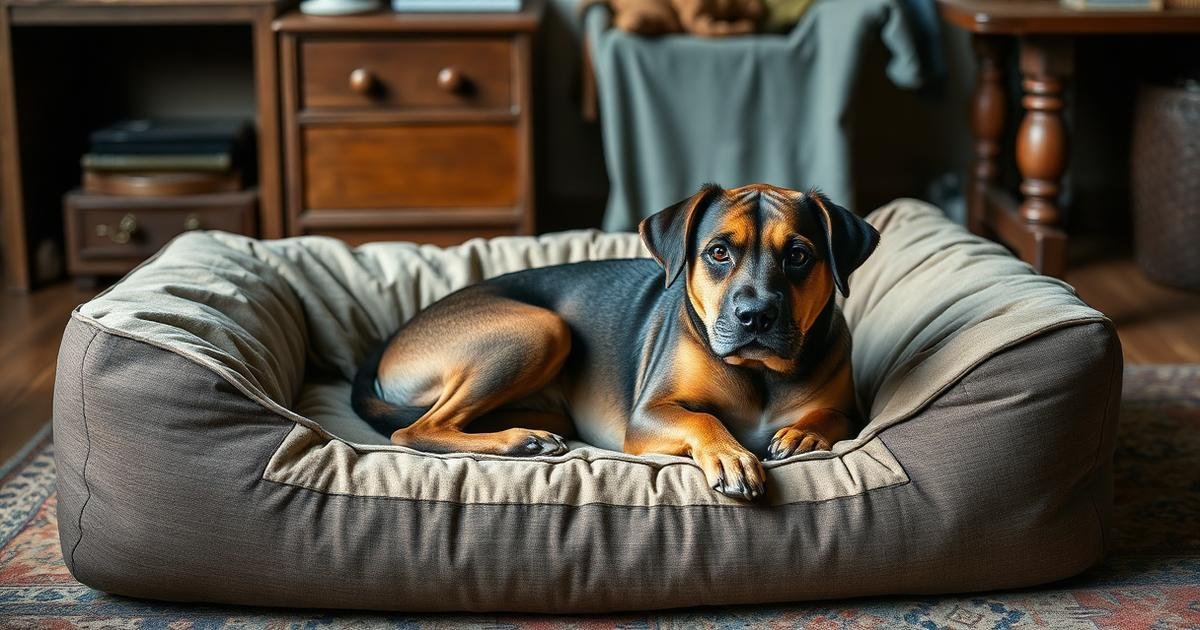
Wondering when to replace your dog’s bed? Chances are, it’s sooner than you think. These things don’t last forever — especially when they’re used daily, washed over and over, soaked up with moisture, or chewed, scratched, and flattened by your pup’s weight.
When should you replace dog bed: You should replace a dog bed when it loses support, stays smelly after proper cleaning, becomes lumpy or unstable, or no longer suits your dog’s comfort needs. If the bed is damaged or your dog avoids it, replacement usually makes more sense than another quick fix.
That bed might look fine on top, but underneath? The support can be shot, odors trapped deep in the fill, and the whole thing getting lumpy and uncomfortable. Your dog usually figures it out way before you do.
Upgrade your dog’s rest with a cleaner, more supportive bed
Shop Dog Beds Now →
Quick Answer: When to Replace a Dog Bed
You should replace a dog bed when it becomes unsupportive, hard to clean, unstable, badly damaged, or clearly uncomfortable for your dog. If smell, sagging, flattened fill, torn seams, or repeated refusal keeps happening, replacement is usually the smarter move.
Some beds last longer with excellent care, but all beds wear out eventually. Foam breaks down, stuffing shifts, covers weaken, and comfort changes over time.
If you want the broader framework for choosing a better next bed, the complete dog bed guide explains how support, materials, durability, and bed type affect long-term use.
So the real question is not only how old the bed is. It is whether the bed still gives your dog a clean, stable, supportive place to rest.
Why Dog Beds Wear Out Faster Than Many Owners Expect
Dog beds deal with constant pressure, body oils, fur, movement, moisture, and repeated washing. Even high-quality beds gradually lose structure.
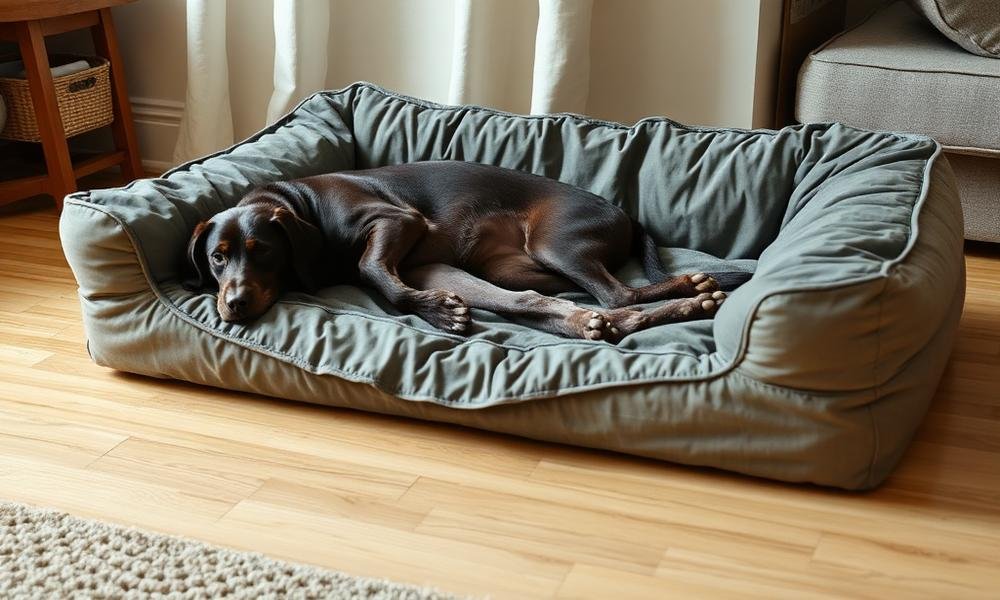
Large dogs, senior dogs, heavy use, outdoor dirt, accidents, and damp conditions can shorten a bed’s useful life even more. A bed may still look decent while the inside has already become lumpy, flattened, or less supportive.
That matters because the surface is only part of the bed. The inner support layer often fails first.
Pro Tip: If your dog has started choosing the floor more often, the bed may be worn out even if the cover still looks fine.
That is why replacement decisions should be based on comfort and condition, not just appearance.
Owners often wait because the bed still looks familiar and usable in the room, but dogs feel support loss more directly than humans see it. A bed can seem fine visually while already failing where it matters most.
That gap between how the bed looks and how it performs is one of the biggest reasons replacement gets delayed longer than it should.

Most Common Signs It Is Time to Replace a Dog Bed
Comfort and Support Problems
1. The bed is flat, sagging, or lumpy — once the fill stops supporting the body evenly, the bed is no longer doing its job well.
2. Your dog avoids the bed more often — choosing the floor or another surface can be a strong signal that the bed no longer feels right.
Cleanliness and Damage Issues
3. The smell keeps coming back — if odor returns right after proper cleaning, the materials may be too saturated to save.
4. Seams, covers, or edges are damaged — tears, exposed stuffing, or broken zippers often make the bed less safe and less hygienic.
Fit and Lifestyle Changes
5. Your dog’s needs changed — age, weight, joint issues, or sleep habits may mean the old bed no longer fits.
6. The bed slides, bunches, or feels unstable — poor stability can be enough to make a dog stop trusting it.
These signs often appear together. A smelly, flattened, unstable bed rarely becomes a good sleep surface again just because the cover got washed.
How to Tell Whether the Bed Needs Cleaning or Full Replacement
If the problem is mainly surface dirt, loose hair, or temporary odor, a proper cleaning may be enough. But if the bed still smells bad, feels flat, or stays uncomfortable after cleaning, replacement is usually the better option.
Look for clues like these:
- Cleaning is enough: structure still feels supportive, odor improves fully, no major damage is present
- Replacement is better: support is gone, smell returns fast, damage keeps worsening, or the dog avoids the bed
The important distinction is whether the problem sits on the surface or inside the bed itself. Deep structural wear usually does not reverse.
This is why some owners clean a bed several times and still feel disappointed. The cover may be cleaner, but if the support core is already flat or the material is permanently holding odor, the bed has moved beyond what cleaning can really fix.
How Age, Size, and Sleep Style Affect Replacement Timing
Getting when should you replace dog bed right is less about perfection and more about staying consistent with a proven approach.
Not every dog bed wears out at the same speed. A lightly used bed for a small dog may last much longer than a heavily used bed for a large dog.
Senior dogs and dogs with joint discomfort often notice support failure sooner. A bed that still seems acceptable to you may already feel uncomfortable to them.
Dogs that scratch, circle hard, chew, drag bedding, or sleep hot also tend to break beds down faster than calm, low-impact sleepers.
Your dog’s sleep style matters too. Sprawlers, nesters, and heavy leaners put pressure on beds in different ways, which changes how quickly support fades.
Pro Tip: Replacement timing is not just about age. It is about whether the bed still matches your dog’s body, sleep habits, and comfort needs right now.
What Happens If You Wait Too Long to Replace a Bed?
A worn-out bed can affect comfort, sleep quality, hygiene, and even willingness to use the bed at all. Some dogs simply move elsewhere. Others keep using an uncomfortable bed because they have no better option.
If the bed holds odor, moisture, or exposed filling, it can also become harder to keep clean and less pleasant in the room overall.
Waiting too long usually means getting less value from the bed, not more. Once the support and cleanliness are gone, stretching the lifespan further rarely helps your dog.
In some cases, it may even teach the dog to avoid beds in general because the sleep surface has become unreliable or unpleasant. That makes the next transition harder than it needs to be.
Replacing the bed at the right time usually protects comfort and routine better than squeezing out a few extra weeks from a bed that is already clearly declining.
What to Look for in the Replacement Bed
Better support is the first priority if the old bed flattened out too quickly.
Washable and easier-care materials matter if odor or dirt buildup was part of the reason for replacement.
Non-slip structure helps if your dog disliked movement or instability.
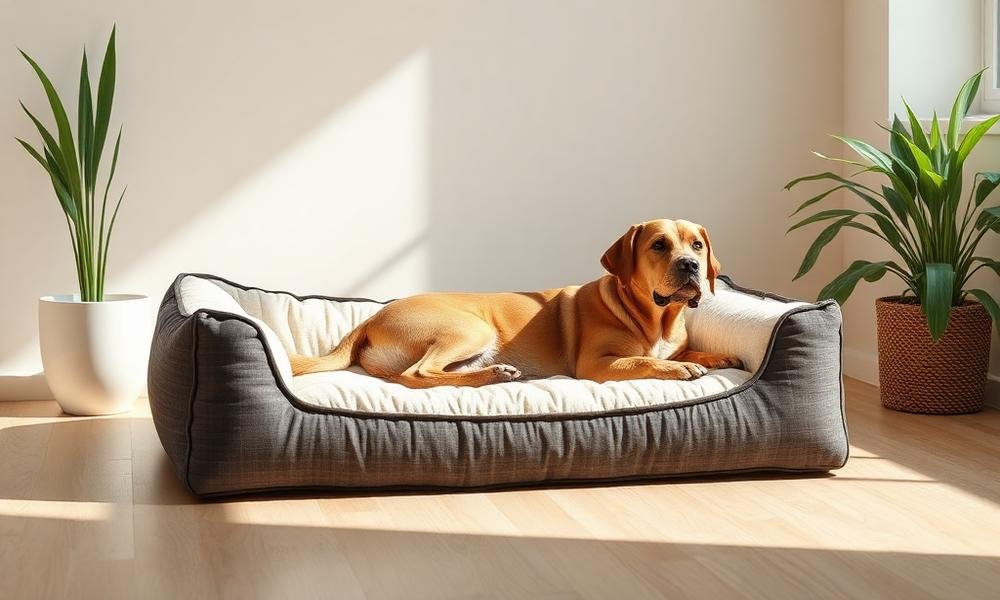
The right shape and size matters if the previous bed no longer matched how your dog likes to sleep.
The best replacement does not just look newer. It solves the specific reason the old bed stopped working.
Mistakes Owners Make When Replacing Dog Beds
Choosing the same weak bed again often recreates the same problem.
Ignoring the real reason the bed failed can lead to another bad fit, smell issue, or durability issue.
Buying based only on softness can backfire if the dog really needed support, cooler sleep, or easier access.
Waiting until the bed is severely damaged often means the dog has already spent too long using a poor sleep surface.
Many owners also forget to factor in changes in the dog’s age and health. A bed that worked 2 years ago may no longer be the right choice today.
Another common mistake is focusing only on aesthetics. A bed that looks attractive in the room is not automatically the right replacement if it repeats the same support or durability problem.
The better replacement choice is usually the one that solves the failure pattern, not the one that most resembles what you bought last time.
Why Replacement Timing Matters More for Senior and Large Dogs
Senior dogs and larger dogs usually feel bed breakdown sooner because they put more pressure on the support layer and often need more from the bed in the first place.
The practical side of when should you replace dog bed comes down to small daily decisions that add up over weeks.
A younger, lighter dog may tolerate a partially worn bed longer, but an older dog with stiffness or joint discomfort can be affected much faster by flattening, sagging, or uneven fill.
That is why replacement timing should be more proactive for dogs that need consistent support the most. Waiting for the bed to become obviously bad is often too late for the dogs that rely on it heavily.
In those cases, the cost of replacing earlier is usually smaller than the cost of letting comfort decline for too long.
How Long Does a Dog Bed Typically Last?
A well-made dog bed typically lasts 1 to 3 years with regular cleaning and average daily use. Orthopedic beds with memory foam or high-density foam tend to last longer — 3 to 5 years in some cases — because the core material holds its structure better than cheaper polyfill options.
The main factors that shorten a dog bed's lifespan are frequent washing, heavy chewing, moisture exposure, and daily use by a large or heavy dog. Beds used by dogs over 40 kg (88 lb) typically show structural decline faster than those used by smaller breeds.
Budget foam beds often start showing visible compression within 6 to 12 months. The cover may still look acceptable, but the internal support has already degraded significantly, which matters most for dogs with joint issues or older dogs that need consistent cushioning.
Pro Tip: Press your palm firmly into the center of the bed and release — if it takes more than 3 seconds to return to shape, or if it doesn't fully recover, the foam has lost its support capacity regardless of how the surface looks.
Dog Bed Lifespan by Type
Flat polyfill mat: 6-12 months with regular use before notable flattening.
Bolster or plush bed: 1-2 years, but filling compresses faster in high-use areas.
Memory foam bed: 3-5 years if kept dry and not chewed — the most durable standard option.
Orthopedic high-density foam: Up to 5 years for quality versions, but test firmness annually from year 2 onward.
Elevated/cot-style: 3-5 years for the frame; the fabric surface typically needs replacing before the frame fails.
How to Extend the Life of Your Dog's Bed
Regular washing is the most important maintenance habit, but washing technique matters as much as frequency. Washing at the correct temperature, using minimal fragrance-free detergent, and ensuring complete drying before re-use prevents the mold and odor buildup that degrades beds quickly.
Using a removable, washable cover protects the inner filling from direct contact with dirt, oils, and moisture. Covers can be washed weekly without putting the full bed through a laundry cycle each time, which reduces wear on the inner material significantly.
Rotating between two beds allows each one to recover its shape and dry fully between uses. This simple step can meaningfully extend the functional lifespan of both beds, particularly for large breeds whose weight accelerates compression.
Pro Tip: Keep the bed off cold, damp floors if possible — concrete, tile, and uninsulated floor surfaces increase moisture absorption into the base of the bed and accelerate material breakdown from underneath.
If your dog has a strong preference for one sleep position, rotate the bed's orientation every 2 to 3 weeks. This distributes compression wear more evenly across the filling rather than degrading one spot rapidly.
FAQ: When Should You Replace Dog Bed?
How often should you replace a dog bed?
It depends on use, dog size, bed quality, and cleaning routine, but any bed should be replaced once support, hygiene, or comfort breaks down.
How do I know if a dog bed is worn out?
Signs include flattening, lumps, lingering odor, torn seams, instability, and the dog choosing other places to sleep.
Should I replace a dog bed if it still looks okay?
Yes, if it no longer feels supportive, clean, or comfortable. Internal wear often matters more than surface appearance.
Can washing fix an old dog bed?
Washing can help with surface dirt and odor, but it does not restore lost support or repair deep structural wear.
Why does my dog suddenly stop using the bed?
One common reason is that the bed has become too warm, too flat, unstable, or otherwise uncomfortable over time.
When owners focus specifically on when should you replace dog bed, they tend to see more consistent results over time.
What should I prioritize in the next bed?
Focus on support, size, easy cleaning, stability, and how your dog actually prefers to sleep.
For authoritative reference on canine health and care standards, the American Kennel Club (AKC) provides breed-specific guidance trusted by veterinary professionals. For health-related questions, PetMD offers veterinarian-reviewed information on symptoms and treatments.