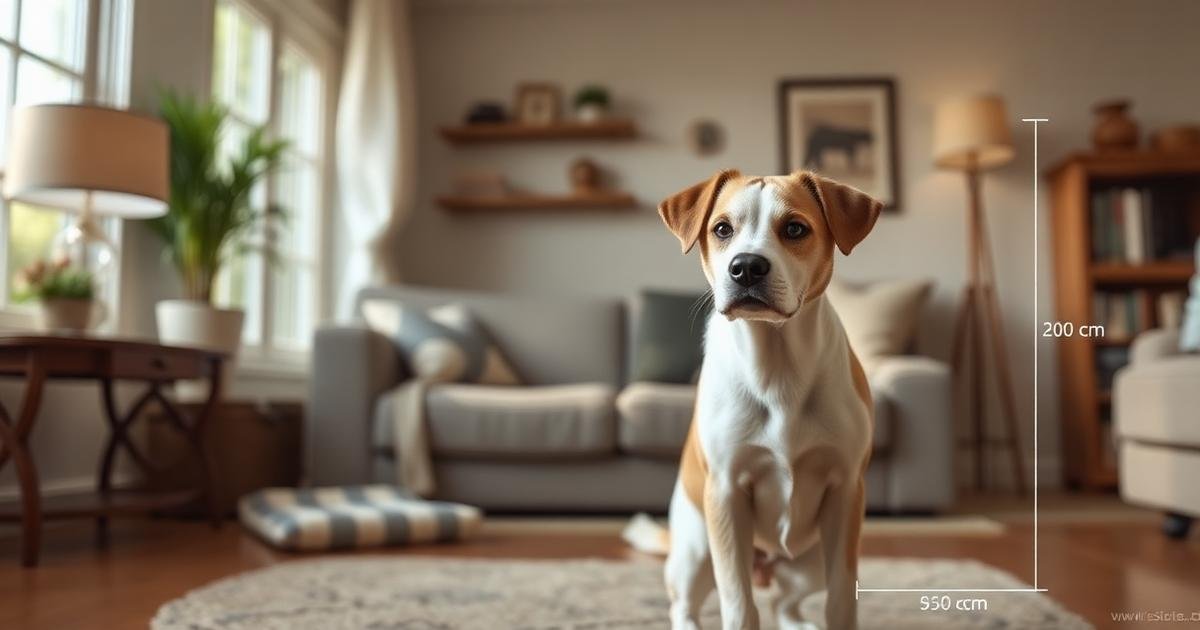
Choosing the right dog for your lifestyle starts with understanding size. A dog breed size guide helps you match a dog's physical needs, exercise requirements, and living space to your own life. Small breeds like Chihuahuas thrive in apartments, while giant breeds like Great Danes need room to stretch and can cost significantly more to feed and care for over their lifetime. This guide breaks down everything you need to know about dog sizes, from weight classifications to practical considerations for each category. Whether you're a first time owner or adding to your pack, knowing what size fits your home and schedule prevents future stress for both you and your dog.
Dog breed size guide: Dog breeds fall into five main size categories based on adult weight: toy (under 12 lbs), small (12–25 lbs), medium (25–55 lbs), large (55–85 lbs), and giant (over 85 lbs). Size directly impacts your dog's lifespan, exercise needs, food costs, and suitability for your living space. Always verify adu
Quick Answer: What Are the Standard Dog Breed Size Categories?
Dog breeds fall into five main size categories based on adult weight: toy (under 12 lbs), small (12–25 lbs), medium (25–55 lbs), large (55–85 lbs), and giant (over 85 lbs). Size directly impacts your dog's lifespan, exercise needs, food costs, and suitability for your living space. Always verify adult size predictions from your breeder or shelter before committing.
For a complete guide on this topic, see the Complete Dog Breed Guide.
This dog breed size guide decision works best when the owner compares daily fit, tolerance, and practical consistency together.

How Do You Classify Dog Breed Sizes by Weight and Height?
Veterinarians and breed registries like the AKC use adult weight as the primary classification tool. Height at the shoulder provides a secondary measurement. The American Kennel Club's breed standards offer precise ranges, but most dogs fall into these general categories.
For many homes, the right dog breed size guide choice is the one that stays reliable under ordinary daily conditions.
Toy and Small Breeds (Under 25 lbs)
Toy breeds like the Chihuahua, Pomeranian, and Maltese typically weigh under 12 pounds. Small breeds like the French Bulldog, Pug, and Beagle range from 12 to 25 pounds. These dogs reach full size by 8–10 months of age. Their small stature means they can live comfortably in apartments, but they often have higher energy levels than their size suggests. Don't let their tiny frames fool you — many small terriers need just as much exercise as medium breeds.
A well matched dog breed size guide option should support the pet clearly without making the routine harder to maintain.
Pro Tip: Small breeds have faster metabolisms and smaller bladders. Expect to feed them 3–4 small meals daily and take them out for potty breaks every 3–4 hours, even as adults. This schedule helps prevent hypoglycemia in toy breeds and reduces accident risks during housetraining.
Medium Breeds (25–55 lbs)
Medium sized dogs include the Border Collie, Bulldog, and Cocker Spaniel. These dogs reach adult weight between 12–16 months. They need at least 45–60 minutes of daily exercise and do best in homes with fenced yards. Medium breeds often make excellent family dogs because they balance portability with sturdiness. They're heavy enough to handle rough play with kids but light enough to lift into a car when necessary.
Most owners get better long term results when dog breed size guide is judged through routine use rather than a single product claim.
Large and Giant Breeds (55+ lbs)
Large breeds like Labrador Retrievers and German Shepherds weigh 55–85 pounds. Giant breeds like Great Danes, Mastiffs, and Saint Bernards exceed 85 pounds, with some reaching 150–200 pounds. These dogs take 18–24 months to reach full maturity. Their growth rate requires careful nutritional management to prevent skeletal issues. Large breed puppies need specially formulated food that controls calcium and phosphorus levels to avoid developmental bone disease.
What Size Dog Is Best for Apartments vs. Houses With Yards?
Your living space should directly influence your size choice. Apartment dwellers typically do best with toy, small, or low energy medium breeds. A Great Dane in a 500-square foot apartment can work if you provide adequate exercise, but it's challenging. The key isn't just square footage — it's your willingness to commit to daily outdoor time regardless of weather.
Apartment Living (Under 1,000 sq ft)
Small and toy breeds are ideal for apartments. They need less floor space and can get sufficient exercise indoors through play sessions. However, some small breeds like Jack Russell Terriers have high energy needs. Look for breeds with moderate to low energy levels if you lack outdoor access. Breeds like the Cavalier King Charles Spaniel or Shih Tzu adapt well to apartment life because their exercise needs are modest and they're generally quiet.
Houses With Yards (1,000+ sq ft)
Medium and large breeds thrive with access to a fenced yard. A yard doesn't replace daily walks, but it provides space for play and exploration. Giant breeds need substantial indoor space too. A 150-pound dog needs room to turn around, stretch out, and move comfortably through your home. Before adopting a giant breed, measure your furniture layout — a Mastiff needs a clear path from the living room to the backyard without knocking over end tables.
Pro Tip: Measure doorways and hallways in your home before choosing a large or giant breed. Many standard doorways are only 30 inches wide, which can be tight for a fully grown Mastiff or Great Dane. Also check ceiling height in basements and stairwells — some giant breeds struggle with steep, narrow stairs.
How Does Size Affect Lifespan and Health Issues?
Size significantly influences your dog's longevity. Small breeds often live 12–16 years, medium breeds 10–13 years, and large breeds 8–12 years. Giant breeds typically have the shortest lifespans, averaging 6–10 years. According to the PetMD condition guides, this inverse relationship between size and lifespan is well-documented. The faster a dog grows, the quicker its cells age — which explains why Great Danes age faster than Chihuahuas.
Common Health Issues by Size Category
Small breeds are prone to dental disease, luxating patellas, and tracheal collapse. Medium breeds often face hip dysplasia, ear infections, and obesity. Large and giant breeds frequently develop hip and elbow dysplasia, bloat (gastric dilatation-volvulus), and certain cancers. The AKC behavior guides note that size related health issues can also affect temperament and training needs. For example, a dog in chronic pain from hip dysplasia may become irritable or reluctant to follow commands.
Cost Implications of Size
Food costs scale dramatically with size. A small dog might eat 1/2 cup of food daily, costing roughly $15–25 per month. A giant breed can consume 6–8 cups daily, costing $60–100 per month. Veterinary care, medications, and surgeries also cost more for larger dogs because dosages and anesthesia requirements increase with body weight. Spaying or neutering a 10-pound dog might cost $200, while the same procedure for a 100-pound dog can exceed $600 due to higher anesthesia risks and longer surgery time.
How Do You Predict a Puppy's Adult Size Accurately?
Predicting adult size is crucial when adopting a mixed breed puppy or choosing a purebred. Multiple methods exist, but none are perfectly accurate. The most reliable approach combines breed knowledge with physical observation. Even experienced breeders can be off by 5–10 pounds in their predictions, so always plan for the upper end of the estimate.
Breed Based Estimation
For purebred puppies, registered breeders can provide expected adult weight ranges based on the breed standard. The AKC maintains detailed breed standards at their training resource page. For mixed breeds, DNA tests from companies like Embark or Wisdom Panel can estimate adult size by analyzing genetic markers. These tests are around 85–research suggests 90% accurate for predicting adult weight within a 10-pound range.
Paw and Age Method
A common rule of thumb: a puppy's adult weight is roughly twice their weight at 16 weeks of age. For toy breeds, multiply their 6-week weight by 4. For small breeds, multiply 8-week weight by 3. For medium breeds, multiply 14-week weight by 2.5. For large breeds, multiply 16-week weight by 2. For giant breeds, multiply 20-week weight by 2. Track your puppy's weight weekly and plot it on a growth chart — a sudden acceleration may indicate they'll end up larger than expected.
Pro Tip: Paw size is an unreliable predictor. Many large breed puppies have small paws that grow later, while some small breed puppies have proportionally large paws. Always use weight based methods over visual cues. A better visual indicator is loose skin — puppies that seem to grow into their skin often have more growing to do.

What Exercise and Training Needs Change With Dog Size?
Exercise requirements vary more by breed than by size alone, but general patterns exist. Small breeds often need 30–45 minutes of daily activity, medium breeds need 45–60 minutes, and large breeds need 60–90 minutes. Giant breeds need 45–60 minutes of low impact exercise to protect their joints. Over exercising a giant breed puppy before their growth plates close (around 18–24 months) can cause permanent joint damage.
Training Considerations by Size
Small breeds can be more challenging to housetrain due to their smaller bladders. They also risk injury from rough handling. Large breeds require early socialization and obedience training to prevent them from pulling on leash or jumping on people. The ASPCA behavior resources emphasize that size appropriate training prevents many behavioral issues. A 70-pound dog that jumps on guests is dangerous; a 10-pound dog that does the same is merely annoying — but both behaviors need correction early.
| Small Breeds (Under 25 lbs) | Medium Breeds (25–55 lbs) | Large/Giant Breeds (55+ lbs) | |
|---|---|---|---|
| Housebreaking accidents | Take out every 2–3 hours | Take out every 3–4 hours | Take out every 4–5 hours |
| Leash pulling | Use front clip harness | Use head halter or harness | Use head halter + training |
| Jumping on people | Ignore and reward four-on-floor | Turn away and reward calm | Use leash corrections + rewards |
| Separation anxiety | Provide puzzle toys, crate train | Exercise before leaving | Exercise + mental stimulation |
How Does Dog Size Affect Grooming and Daily Care?
Grooming demands scale with size and coat type, not just weight. A 10-pound Shih Tzu needs more grooming than a 70-pound short haired Labrador. But larger dogs require more time, effort, and supplies for basic care. Bathing a Great Dane takes 45 minutes and multiple towels, while a Chihuahua can be washed in the kitchen sink in 10 minutes.
Bathing and Brushing by Size
Small breeds can be bathed in a sink or small tub using 1–2 cups of shampoo. Medium breeds need a standard bathtub and about 4 cups of shampoo. Large and giant breeds require a walk in shower or outdoor hose setup, plus 8–12 cups of shampoo per bath. Nail trimming also becomes harder with size — a wiggly 100-pound dog is much harder to restrain than a 15-pound one. Invest in a grooming table or non slip mat for large breeds to make the process safer.
Travel and Transport Considerations
Your vehicle size matters when choosing a dog. Small breeds fit easily in carriers that fit under airplane seats. Medium breeds can ride in most car back seats with a seat belt harness. Large and giant breeds often need SUV or minivan space — a Great Dane cannot comfortably ride in a compact car. If you travel frequently, factor in airline weight limits. Most airlines restrict in cabin pets to 20 pounds or less, and cargo hold travel poses higher risks for brachycephalic breeds like Bulldogs.
Pro Tip: Buy a car hammock or seat cover designed for your dog's size. For large breeds, choose a cover that extends to the floor to protect against muddy paws and drool. For small breeds, a booster seat that clips to the headrest keeps them safe and allows them to see out the window.
How Do You Choose the Right Size Dog for Children and Seniors?
Your household's physical capabilities should guide your size decision. Families with young children need sturdy dogs that won't be injured by accidental falls. Seniors or people with mobility issues need dogs they can physically manage on walks and during vet visits.
Best Sizes for Families With Children
Medium breeds around 25–55 pounds are often ideal for families with children. They're sturdy enough to handle rough play but not so large that they knock over toddlers. Breeds like Labrador Retrievers, Golden Retrievers, and Beagles have patient temperaments that suit family life. Avoid toy breeds with very young children — a toddler can accidentally injure a 5-pound Chihuahua by falling on it or grabbing it too hard.
Best Sizes for Seniors and Less Active Owners
Small to medium breeds under 40 pounds work best for seniors. They're easier to lift into cars, bathe, and control on walks. Breeds like the Cavalier King Charles Spaniel, Bichon Frise, or Shih Tzu have moderate energy levels and don't require intense exercise. Avoid giant breeds entirely if you live alone — if your 150-pound dog collapses from bloat, you cannot carry it to the car yourself. The AVMA pet owner resources recommend considering your ability to physically manage a dog in an emergency before choosing a size.
Find the perfect gear for your dog's size — from tiny harnesses to extra large beds.
Browse Dog Products →
Frequently Asked Questions
What is the most common dog breed size?
Medium sized dogs, typically weighing 25–55 pounds, are the most common category in the United States. Breeds like Labrador Retrievers, Beagles, and Bulldogs fall into this range. This size offers a balance of portability and sturdiness that suits many households. According to AKC registration data, Labrador Retrievers have been the most popular breed for over 30 years.
Do small dogs live longer than large dogs?
Yes, research consistently shows that small dog breeds live 2–5 years longer than large breeds on average. Toy breeds often reach 14–16 years, while giant breeds average 6–10 years. The exact biological reasons are still being studied but relate to growth rate and metabolic factors. Smaller dogs age more slowly at the cellular level, which contributes to their extended lifespans.
How much does a large dog eat compared to a small dog?
A large dog (55–85 lbs) eats approximately 3–4 cups of dry food daily, while a small dog (12–25 lbs) eats about 1–1.5 cups. This translates to roughly $40–60 per month for large dogs versus $15–25 for small dogs. Giant breeds can eat 6–8 cups daily, costing $60–100 per month. Always choose a food formulated for your dog's size — large breed formulas have controlled calcium levels to support joint health.
What size dog is best for first time owners?
Medium sized breeds like Labrador Retrievers, Golden Retrievers, and Cavalier King Charles Spaniels are often recommended for first time owners. They balance manageable size with trainability and generally have even temperaments. Avoid giant breeds and high energy working breeds for your first dog. Small breeds can also work well for first-timers, but their housetraining challenges and fragility around children require extra patience.
Can a Great Dane live in an apartment?
Yes, Great Danes can live in apartments if they get sufficient daily exercise. Despite their size, they have relatively low energy needs compared to other large breeds. However, you need enough floor space for them to move comfortably and access to regular walks and potty breaks. The bigger challenge is finding an apartment that allows a 150-pound dog and has elevators wide enough for them.
How can I tell if my mixed breed puppy will be large?
The most reliable method is weighing your puppy at 16 weeks and multiplying by 2. For more accuracy, use a dog DNA test that predicts adult size. You can also look at the puppy's parents if known. Paw size alone is an unreliable predictor of adult size. If your puppy is a rescue with unknown parentage, a DNA test at 8 weeks gives you the best estimate within 5–10 pounds.
What size dog crate should I buy for a growing puppy?
Buy a crate sized for the dog's expected adult weight, then use a divider panel to reduce the space while they're young. The crate should be tall enough for the dog to stand without hitting their head and long enough to stretch out fully. For large breeds, look for crates with 42–48 inch lengths. Avoid buying a crate that's too small — your dog should be able to turn around comfortably inside.
Are giant breed dogs more expensive to insure?
Yes, pet insurance premiums are significantly higher for large and giant breeds. A policy for a Great Dane may cost $60–100 per month, while the same coverage for a Chihuahua might be $25–40 per month. This is because giant breeds have higher veterinary costs and more frequent claims for conditions like hip dysplasia and bloat. Always get insurance quotes before committing to a giant breed puppy.
For more on this topic, see our guide to dog breed personality traits.