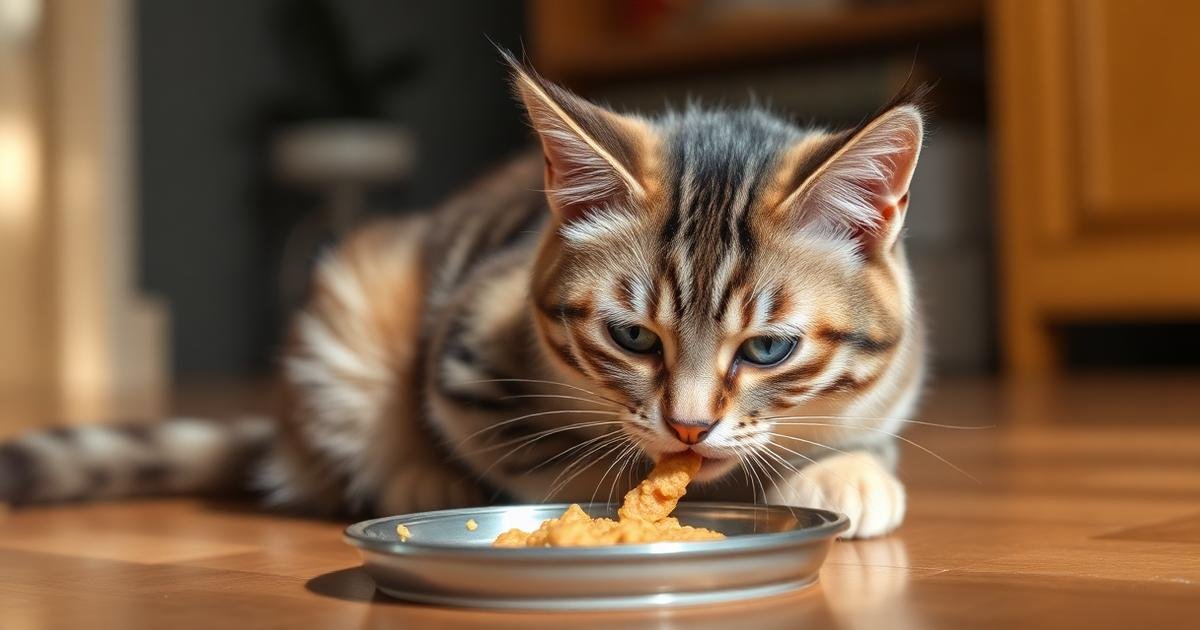
Waking up to a full bowl of untouched food again? You're not alone. When your cat suddenly stops eating, it can feel alarming and frustrating. A cat not eating food suddenly is a serious concern that requires immediate attention — it could signal anything from a minor stomach upset to a life threatening medical condition like hepatic lipidosis. The key is to act quickly and methodically, ruling out health issues first before assuming it's just pickiness.
Cat not eating food suddenly: Your cat not eating food suddenly is most often caused by illness or pain (dental disease, kidney issues, pancreatitis), stress (new home, new pet, routine change), food aversion (spoiled food, texture change), or environmental factors (dirty bowl, loud location). Any cat that refuses food for more
Quick Answer: Why is my cat not eating food suddenly?
Your cat not eating food suddenly is most often caused by illness or pain (dental disease, kidney issues, pancreatitis),
For a complete guide on this topic, see the Ultimate Guide To Cat Food.
Why Your Cat Does This — The Root Causes
Medical Issues Are the Most Common Cause
When a cat stops eating suddenly, illness is the first thing to rule out. Dental disease affects 50–90% of cats over age 4, making chewing painful. Kidney disease, pancreatitis, upper respiratory infections, and gastrointestinal issues can all suppress appetite. According to the
Stress and Environmental Changes
Cats are creatures of habit. A new pet, moving homes, rearranged furniture, or even a new food bowl can trigger stress related anorexia. Your cat isn't being dramatic — stress literally suppresses their appetite. This can last 3–7 days in mild cases but needs intervention if it goes longer.
For many homes, the right the best option choice is the one that stays reliable under ordinary daily conditions.
Food Aversion or Spoiled Food
Has that bag of kibble been open for months? Did you switch brands or flavors? Cats can develop sudden aversions to food that's gone slightly rancid or has changed texture. They also associate negative experiences (like nausea after eating) with specific foods and will refuse them.
A well matched cat not eating food suddenly should support the pet clearly without making the routine harder to maintain.
Dental Pain or Mouth Discomfort
A cat with a sore tooth, gum infection, or mouth ulcer will approach the bowl, maybe sniff the food, then walk away. You might see drooling, pawing at the mouth, or food falling out while eating. This is painful and requires veterinary dental care.
Most owners get better long term results when cat not eating food suddenly is judged through routine use rather than a single product claim.
Nausea and Digestive Issues
Hairballs, inflammatory bowel disease, or simply eating something that didn't agree with them can make your cat feel nauseous. They may show interest in food but refuse to eat, or they might vomit bile. This usually resolves within 12–24 hours but needs vet attention if persistent.
The strongest the best option choice usually becomes clearer when comfort, consistency, and practical use are reviewed together.
Pro Tip: If your cat approaches the bowl, sniffs the food, then walks away without eating, that's a strong sign of nausea or dental pain — not pickiness. A cat that truly doesn't feel sick will usually at least take a few bites.
Root Cause Decision Tree for Cat Not Eating
Match your cat's specific behavior to find the fastest fix:
| What you observe | Likely root cause | First fix to try |
|---|---|---|
| Sniffs food, walks away, no other symptoms | Nausea or dental pain | Offer warmed, strong smelling food (fish-based). Vet visit if no improvement in 12 hours |
| Hiding, avoiding you, not eating or drinking | Stress or illness | Create a quiet, safe space. Check for fever (warm ears, lethargy). Vet within 24 hours |
| Only eats treats, refuses regular food | Food aversion or spoiled food | Check food freshness. Try a different protein source. Gradually mix old with new |
| Drooling, pawing at mouth, food falls out | Dental disease or mouth injury | Look for red gums, broken teeth. Soft food only. Schedule dental vet visit |
| Vomiting bile or hairballs, still interested in food | Hairball or mild GI upset | Offer a small amount of bland food (boiled chicken). Hairball remedy. Vet if vomiting continues |
| Sudden change after new pet or move | Stress/anxiety | Provide hiding spots, Feliway diffuser, separate food station. Give 3–5 days to adjust |

When This Is NOT Just Behavior — Health Red Flags
A cat not eating food suddenly is never "just being picky" if it lasts more than 24 hours. Cats are masters at hiding illness, and by the time they stop eating, something is usually wrong. Here are the red flags that demand immediate veterinary attention:
- No eating for 24+ hours: Cats can develop hepatic lipidosis (fatty liver disease) within 48–72 hours of not eating. This is life-threatening.
- Lethargy or hiding: A cat that won't eat and is also hiding or sleeping more than usual needs a vet.
- Vomiting or diarrhea: Especially if frequent or bloody.
- Weight loss: Even 5–10% weight loss in a cat is significant and indicates chronic illness.
- Changes in drinking or urination: Drinking excessively or not at all, or urinating outside the box, suggests kidney disease or diabetes.
- Yellowing of eyes or gums: This signals liver issues and is an emergency.
- Sudden onset in a cat over age 7: Older cats are more prone to kidney disease, hyperthyroidism, and dental problems.
Pro Tip: If your cat hasn't eaten in 24 hours, don't wait to "see if they'll eat tomorrow." Call your vet immediately. The difference between a 24-hour fast and a 48-hour fast in cats can be the difference between a treatable issue and an emergency hospitalization.
According to
Enrichment Protocol: How to Stimulate Your Cat's Appetite
Once you've ruled out medical issues, use this protocol to encourage eating. These strategies work within 24–48 hours for most cats with stress related or mild appetite loss.
- Warm the food: Heat wet food for 10–15 seconds in the microwave (stir well to avoid hot spots). The warmth releases aromas that stimulate appetite. Do this at every meal for 3–5 days.
- Offer strong smelling options: Fish based foods (tuna, salmon, sardines) or stinky pâtés are more enticing. Try baby food (meat-based, no onion/garlic) as a temporary appetizer.
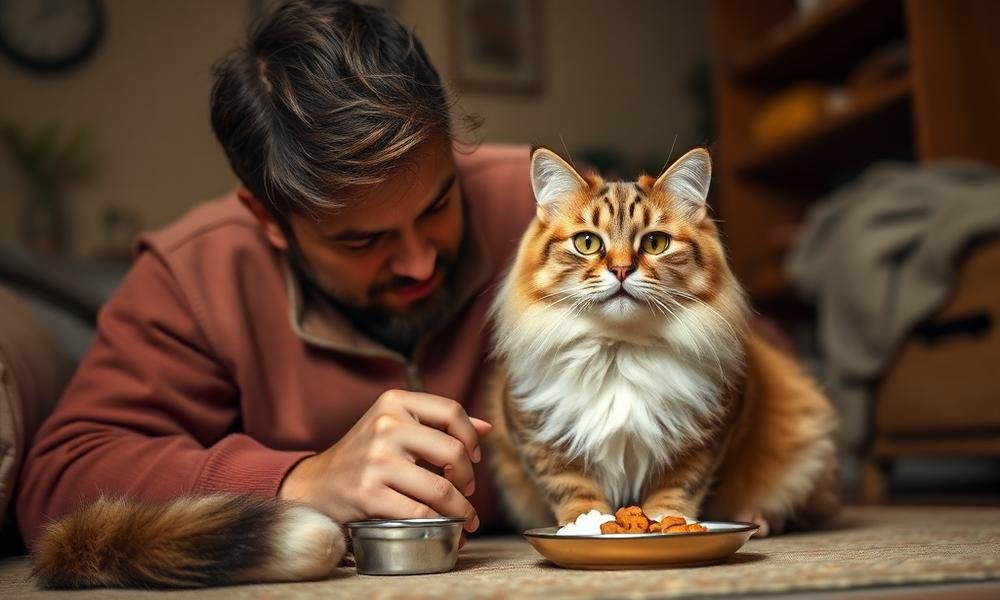
- Hand feed or use a spoon: Some cats need the social interaction to eat. Sit with them, offer small amounts on a spoon, and praise them gently. Do this for 5–10 minutes, 3 times daily.
- Change bowl and location: Use a wide, shallow bowl (whisker fatigue is real). Move the bowl to a quiet, low traffic area away from other pets. Try a paper plate temporarily.
- Add appetite stimulants: A tiny amount of tuna juice, unsalted chicken broth, or nutritional yeast on top of food can trigger eating. Use for no more than 3 days to avoid creating a habit.
- Reduce stress factors: Use Feliway diffusers, provide hiding boxes, maintain a consistent routine, and give your cat space. Stress related appetite loss typically resolves within 3–7 days of consistent low stress environment.
- Try different textures: Some cats prefer pâté, others want shreds or chunks. Offer 2–3 different textures in small amounts to see what appeals.
Pro Tip: Never force feed a cat that is refusing food — you risk aspiration pneumonia. Instead, try rubbing a tiny amount of wet food on their paw or nose. They'll lick it off, which can trigger the eating response. If they still won't eat after 24 hours, your vet can prescribe appetite stimulants like mirtazapine.
Product Buying Criteria: What to Look For in Appetite Encouraging Products
If your cat needs extra help, choose products that address the root cause — not just mask the symptom. Here's what to look for:
- High quality wet food: Look for foods with >8% protein and <80% moisture. Grain free or limited ingredient diets can help cats with food sensitivities. Brands like Royal Canin, Hill's Science Diet, and Purina Pro Plan offer veterinary approved appetite-stimulating formulas.
- Appetite stimulant toppers: Products like nutritional yeast, FortiFlora (probiotic powder), or freeze dried treats crushed on top can make food more appealing. Ensure they're low in sodium and free from artificial flavors.
- Slow feeder bowls: For cats that eat too fast and vomit, wide, shallow bowls (like the Catit Senses 2.0) prevent whisker fatigue and reduce nausea. Look for ceramic or stainless steel — avoid plastic which can harbor bacteria.
- Feliway diffusers: These synthetic pheromone diffusers reduce stress related appetite loss. Use them for at least 2–4 weeks to see full effect. Place one in the room where your cat eats.
- Hairball remedies: If hairballs are the issue, look for malt based pastes or high fiber treats. These help move hair through the digestive tract within 24–48 hours.
Find the right food and tools to get your cat eating again — browse vet recommended options designed for picky and recovering cats.
Browse Cat Food Options →
Troubleshooting Matrix for Cat Not Eating
| Behavior pattern | Likely cause | What to do |
|---|---|---|
| Eats treats but not regular food | Food aversion or spoiled food | Check food freshness. Gradually mix 25% new food with 75% old. Switch protein source. Improvement in 2–3 days |
| Only eats when hand-fed | Stress, nausea, or learned behavior | Reduce hand feeding gradually. Offer food in a quiet room. Use appetite stimulant from vet if needed. Improvement in 5–7 days |
| Stops eating after vomiting | Nausea or GI upset | Withhold food for 6–8 hours, then offer small amounts of bland food. Vet if vomiting continues. Improvement in 1–2 days |
| Will not eat near other pets | Resource guarding or fear | Feed in a separate room with door closed. Use elevated bowls. Provide multiple food stations. Improvement in 3–5 days |
| Only eats at night when alone | Stress or anxiety during day | Create a calm feeding environment. Use Feliway. Feed smaller meals more frequently. Improvement in 4–7 days |
| Suddenly refuses food after diet change | Too rapid transition | Go back to old food. Transition over 7–10 days (25% new, 75% old, increasing weekly). Improvement in 3–5 days |
| Eats a few bites then walks away | Dental pain or nausea | Check mouth for redness, swelling. Offer soft food only. Vet visit within 24 hours for dental exam |
Frequently Asked Questions
My cat only stops eating at night — why?
Nighttime appetite loss often points to stress or environmental factors. Your cat may feel unsafe eating in the dark, or there could be nighttime noises (other pets, appliances) causing anxiety. Try leaving a nightlight on near the food bowl and feeding in a quiet, enclosed space.
Will this stop on its own as they get older?
No. In fact, appetite loss becomes more concerning in older cats. Senior cats (7+) are prone to kidney disease, hyperthyroidism, and dental problems that cause chronic appetite loss. Never wait for it to resolve on its own — always investigate the underlying cause with your vet.
Is this a sign of separation anxiety?
Sometimes. Cats with separation anxiety may refuse food when you're gone but eat normally when you're home. This is less common than in dogs but does happen. Try leaving a piece of your worn clothing near the bowl, use a camera to monitor, and consult a veterinary behaviorist if it persists.
How long until I see improvement?
With proper intervention, most cats will eat something within 12–24 hours. Stress related appetite loss typically improves within 3–7 days of consistent low stress environment. Medical causes require treatment of the underlying condition — improvement varies from 24 hours (nausea meds) to 2–4 weeks (dental recovery).
Should I punish or force my cat to eat?
Never punish a cat for not eating — it will worsen stress and make the problem worse. Force feeding is dangerous and can cause aspiration pneumonia. Instead, focus on reducing stress, offering appealing food, and consulting your vet. Positive reinforcement (praise when they eat) works far better.
My cat only refuses one specific flavor — should I be worried?
Not usually. Cats can develop specific food aversions, especially if they had a negative experience (like nausea) after eating that flavor. Try switching to a different protein or brand. Only worry if they refuse all food for more than 24 hours or show other symptoms like vomiting or lethargy.
For trusted guidance on feline health and nutrition, the ASPCA provides expert cat care resources reviewed by veterinary professionals. For health-related questions, PetMD offers veterinarian-reviewed information on symptoms and treatments.