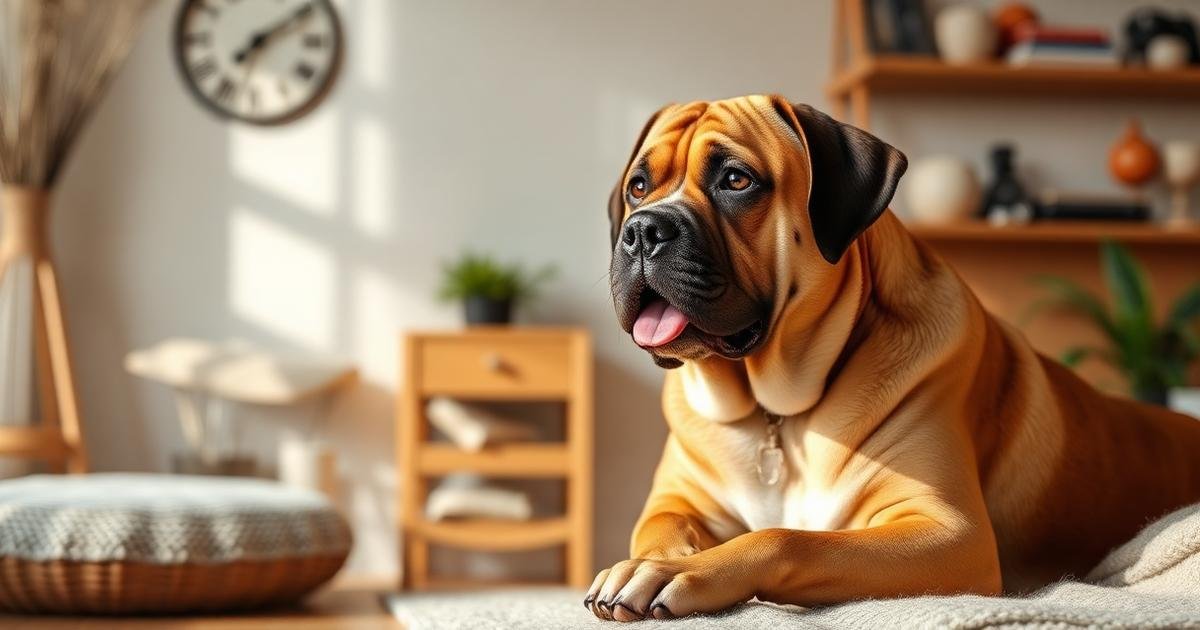
Finding the best large dog breeds for your lifestyle comes down to understanding temperament, energy levels, and space requirements. The best large dog breeds offer a balance of loyalty, trainability, and manageable exercise needs, with the Labrador Retriever consistently topping lists for families, the Golden Retriever for gentleness, and the Bernese Mountain Dog for calm companionship. Prioritize breeds that match your activity level and living situation to ensure a happy, healthy partnership.
Best large dog breeds: The best large dog breeds for most households are Labrador Retrievers, Golden Retrievers, and Bernese Mountain Dogs due to their gentle temperaments, trainability, and moderate exercise needs. For active owners, consider the German Shepherd or Standard Poodle. Always prioritize breed-specific health
Quick Answer: What are the best large dog breeds for families and first time owners?
The best large dog breeds for most households are Labrador Retrievers, Golden Retrievers, and Bernese Mountain Dogs due to their gentle temperaments, trainability, and moderate exercise needs. For active owners, consider the German Shepherd or Standard Poodle. Always prioritize breed specific health testing and early socialization within the first 8–16 weeks.
For a complete guide on this topic, see the Complete Dog Breed Guide.
How do you choose the best large dog breed for your home?
Your living space matters more than you think. A large breed needs room to stretch, but a house with a fenced yard isn't always mandatory — what's critical is daily structured exercise. Apartment dwellers can succeed with breeds like the Greyhound or Standard Poodle if they commit to at least 45–60 minutes of brisk walking or running daily.
Consider your family composition. Homes with young children should prioritize breeds known for patience and low prey drive. The American Kennel Club (AKC) notes that Labrador Retrievers and Golden Retrievers rank among the safest breeds for kids due to their forgiving nature and biddable temperament. Avoid breeds prone to guarding or resource guarding unless you have experience.
Your own activity level is the final filter. A Bernese Mountain Dog is content with moderate walks and playtime, while a German Shepherd requires rigorous daily engagement — think agility, fetch, or long hikes. Mismatching energy levels leads to destructive behavior and owner frustration within 3–6 months.
Pro Tip: Before committing, spend 2–3 hours with the breed at a rescue or breeder's home. Observe how the dog reacts to noise, strangers, and other animals. This real world test beats any online quiz.
What are the top 5 best large dog breeds ranked by temperament?
Temperament is the single most important factor when choosing a large breed. A dog's natural disposition determines how it will integrate into your daily life, especially around children, guests, and other pets. Below are five breeds consistently rated highest for stable, family friendly temperaments by veterinarians and behaviorists.
1. Labrador Retriever
The Labrador Retriever is the most popular breed in the United States for good reason. They are outgoing, even-tempered, and eager to please. Labs require at least 60 minutes of exercise daily and thrive on positive reinforcement training. Their patience with children is exceptional, but they do shed heavily year-round.
2. Golden Retriever
Golden Retrievers share many traits with Labs but tend to be slightly calmer and more sensitive. They excel in therapy work and are remarkably gentle with toddlers. Goldens need regular grooming every 4–6 weeks to manage their thick double coat. According to the ASPCA, they are one of the least likely breeds to show aggression toward humans.
3. Bernese Mountain Dog
The Bernese Mountain Dog is a calm, devoted companion that bonds deeply with its family. They are less demanding than many large breeds, requiring only 30–45 minutes of moderate activity. However, their lifespan averages 6–8 years, which is shorter than most large breeds. Health screening for hip dysplasia and cancer is essential.
4. Standard Poodle
Standard Poodles are among the most intelligent large breeds, ranking second only to the Border Collie in working intelligence. They are hypoallergenic, making them ideal for allergy sufferers. Poodles need both physical exercise and mental stimulation — puzzle toys and obedience training are non-negotiable. They bond closely with their owners but can be reserved with strangers.
5. German Shepherd
German Shepherds are loyal, confident, and highly trainable. They require a job — whether it's guarding, hiking, or advanced obedience. Without purpose, they can become anxious or destructive. The AKC recommends at least 90 minutes of daily exercise and consistent leadership. They are best suited for experienced owners.
| Energy Level | Good with Kids | Grooming Needs | ||
|---|---|---|---|---|
| Labrador Retriever | Moderate (sheds heavily) | 10–12 years | ||
| Golden Retriever | Moderate-High | High (frequent brushing) | 10–12 years | |
| Bernese Mountain Dog | Very Good | High (thick coat) | 6–8 years | |
| Standard Poodle | Moderate-High | Very Good | Very High (professional grooming) | 12–15 years |
| German Shepherd | Very High | Good (with training) | Moderate (sheds heavily) | 9–13 years |
What large dog breeds are best for families with other pets?
Introducing a large breed into a home with existing pets requires careful breed selection. Labrador Retrievers and Golden Retrievers have low prey drives and generally get along well with other dogs and even cats when properly socialized. Their pack oriented nature makes them less likely to start conflicts.
Standard Poodles can be territorial if not socialized early. They do best with other dogs of similar size and energy level. Bernese Mountain Dogs are typically peaceful with other pets, but their size can unintentionally intimidate smaller animals. German Shepherds have strong guarding instincts — they can coexist with other pets but need structured introductions over 2–3 weeks.
Avoid breeds with high prey drives like the Rhodesian Ridgeback or Weimaraner if you have cats or small dogs. The ASPCA recommends gradual, supervised introductions in neutral territory. Within 4–6 weeks of consistent positive reinforcement, most large breeds can learn to live harmoniously with other pets.
Pro Tip: When introducing a new large breed to your resident dog, walk them side by side for 15–20 minutes before allowing face-to face interaction. This reduces territorial tension and establishes a neutral starting point.
Which large dog breeds are best for first time owners?
First time owners need breeds that are forgiving, trainable, and not overly demanding. The Labrador Retriever and Golden Retriever are the gold standard here. They respond well to positive reinforcement and rarely show aggression even when handled poorly. Their eagerness to please makes training mistakes less consequential.
The Standard Poodle is another excellent choice for novices who are willing to invest in grooming. They are less stubborn than many large breeds and excel in obedience. Avoid breeds like the German Shepherd or Rottweiler for your first dog — they require firm, consistent leadership that beginners often struggle to provide within the critical first 8 weeks.
The Bernese Mountain Dog is a sleeper pick for first-timers. They are calm, patient, and less likely to challenge authority. However, their short lifespan and predisposition to health issues mean you must budget for potential veterinary costs. PetMD recommends budgeting $1,000–$2,000 annually for routine care, with additional funds for emergencies.
Pro Tip: Enroll in a puppy kindergarten class within the first 12 weeks. Early socialization reduces the risk of fear based aggression by up to research suggests 60% according to veterinary behaviorists. Many trainers offer breed specific guidance.
What health issues should you watch for in large dog breeds?
Large breeds are prone to specific health conditions that can shorten their lives and impact quality of life. Hip and elbow dysplasia top the list, affecting up to research suggests 20% of Labrador Retrievers and German Shepherds according to the Orthopedic Foundation for Animals. Always request hip and elbow scores from breeders before purchasing a puppy.
Bloat, or gastric dilatation-volvulus (GDV), is a life threatening emergency in deep chested breeds like Great Danes and Standard Poodles. Feed your dog two smaller meals daily instead of one large one, and avoid vigorous exercise for at least one hour after eating. Symptoms include unproductive retching, a distended abdomen, and restlessness — seek emergency care immediately.
Obesity is a preventable but common issue in large breeds. Excess weight stresses joints and accelerates arthritis. Veterinarians generally recommend maintaining a lean body condition — you should be able to feel your dog's ribs without pressing hard. Measure food portions and limit treats to research suggests 10% of daily calories.
Pro Tip: Schedule a veterinary wellness exam every 6 months for large breeds over 7 years old. Early detection of arthritis, heart disease, or kidney issues can add 2–3 years to your dog's life. Many clinics offer senior pet packages at discounted rates.
How much exercise do the best large dog breeds really need?
Exercise requirements vary dramatically among large breeds. The Labrador Retriever needs at least 60 minutes of vigorous activity daily, while the Bernese Mountain Dog is content with 30–45 minutes of moderate walking. The German Shepherd requires 90 minutes or more, including mental stimulation like puzzle toys or training sessions.
Lack of exercise is the number one cause of destructive behavior in large breeds. Chewing furniture, digging, and excessive barking are often signs of pent up energy. Structured walks, fetch, and off leash running in safe areas are essential. The AVMA recommends at least 30 minutes of aerobic exercise daily for most large breeds, with additional time for play and exploration.
Mental stimulation is equally important. Puzzle toys, scent games, and obedience training tire a dog more effectively than a long walk. A tired dog is a well behaved dog — aim for a balance of physical and mental exercise every day. Within 2–3 weeks of consistent routine, you will see a noticeable improvement in behavior.
What grooming needs do large dog breeds require?
Grooming demands vary widely among large breeds and directly impact your time and budget. Labrador Retrievers and German Shepherds shed heavily year-round, requiring brushing 2–3 times per week to manage loose fur. During shedding season in spring and fall, daily brushing is necessary to prevent matting and reduce hair accumulation in your home.
Golden Retrievers and Bernese Mountain Dogs have longer coats that need professional grooming every 4–6 weeks. Expect to spend $60–$100 per session. Standard Poodles require the most intensive grooming — full haircuts every 4–6 weeks plus daily brushing to prevent painful matting. Budget $80–$150 per professional grooming visit for a Poodle.
Nail trimming is non negotiable for all large breeds. Long nails can cause joint pain and splayed feet over time. Trim nails every 3–4 weeks or when you hear them clicking on hard floors. Dental care is equally important — brush your dog's teeth 2–3 times per week to prevent periodontal disease, which affects research suggests 80% of dogs by age 3 according to veterinary studies.
Pro Tip: Start grooming routines during the first week your large breed puppy comes home. Handle their paws, ears, and mouth daily for 2–3 minutes. This desensitization makes lifetime grooming stress free for both of you.
Ready to find the perfect companion? Explore our curated collection of large breed essentials — from orthopedic beds to heavy duty toys.
Browse Dog Products →
Frequently Asked Questions
What is the calmest large dog breed?
The Bernese Mountain Dog is widely considered the calmest large breed. They are gentle, patient, and content with moderate exercise. Their even temperament makes them excellent for families with young children or seniors. However, their short lifespan of 6–8 years is a significant consideration.
Are any large dog breeds hypoallergenic?
Yes, the Standard Poodle is the most reliable hypoallergenic large breed. They produce minimal dander and shed very little. Other options include the Portuguese Water Dog and the Giant Schnauzer. No breed is research suggests 100% hypoallergenic, but these breeds significantly reduce allergic reactions for most people.
What large dog breed lives the longest?
The Standard Poodle typically lives 12–15 years, making it one of the longest lived large breeds. The Labrador Retriever and Golden Retriever average 10–12 years. The Bernese Mountain Dog has the shortest lifespan at 6–8 years. Genetics, diet, and veterinary care all play critical roles in longevity.
Which large dog breed is easiest to train?
The Labrador Retriever and Standard Poodle are the easiest large breeds to train due to their high intelligence and eagerness to please. Both respond exceptionally well to positive reinforcement methods. The German Shepherd is also highly trainable but requires more consistency and experience from the owner.
Can large dog breeds live in apartments?
Yes, some large breeds can thrive in apartments if their exercise needs are met. The Greyhound and Standard Poodle adapt well to smaller spaces because they are calm indoors. The Labrador Retriever and German Shepherd are less suitable due to their high energy and need for space to roam.
What is the best large dog breed for protecting a family?
The German Shepherd is the top choice for family protection due to its loyalty, intelligence, and natural guarding instincts. The Rottweiler and Doberman Pinscher are also excellent protectors but require experienced handling. Proper training and socialization from 8 weeks old are essential to ensure balanced behavior.
How much does it cost to own a large dog breed annually?
Annual costs for a large breed range from $1,500 to $4,000 depending on the breed and your location. Food alone can cost $500–$1,000 per year for high quality kibble. Veterinary care, grooming, training, and supplies add the rest. Budget for emergency veterinary funds of at least $2,000.
Do large dog breeds need special food?
Yes, large breed puppies need food specifically formulated for controlled growth to prevent bone and joint disorders. Adult large breeds benefit from diets with glucosamine and chondroitin for joint health. Always choose food labeled for large breeds — standard formulas may not have the right calcium-to phosphorus ratio.
For broader reference and guidance, akc.org provides useful context on pet health and care decisions.
For broader reference and guidance, petmd.com provides useful context on pet health and care decisions.